China’s sharp words in Munich
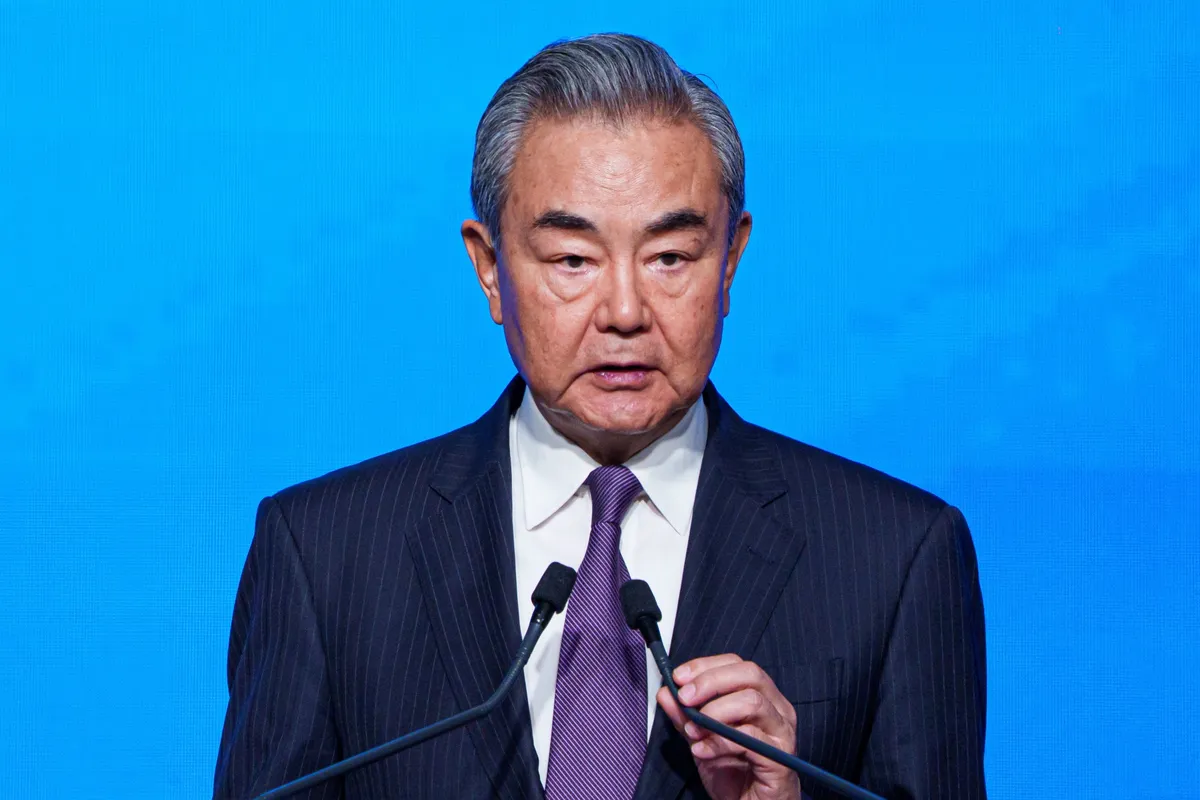
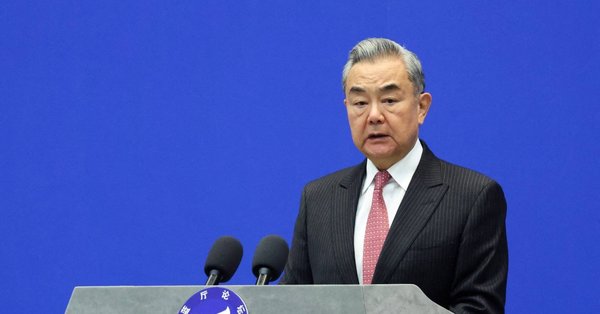
At the Munich Security Conference on February 14, Chinese Foreign Minister Wang Yi delivered an unusually forceful critique of Japan centered on Taiwan. He accused Tokyo of violating China’s territorial sovereignty and warned that the “ghost of militarism” still haunts Japan—language aimed squarely at comments on Taiwan made by Sanae Takaichi, a prominent conservative figure in Japan’s ruling camp. Beijing cast those remarks as unacceptable interference in China’s internal affairs and contrasted Germany’s contrition for wartime crimes with what it alleges is Japan’s glorification of war criminals. The remarks underscored how the Taiwan question has become a frontline issue in Asia’s strategic balance—and a litmus test of regional diplomacy.
Tokyo’s stance: deterrence, law, and geography
Japan’s position is clear: Peace and stability across the Taiwan Strait are indispensable to its own security. Successive Japanese governments have said a Taiwan crisis would directly threaten Japan’s safety and economy, a point reflected in the country’s National Security Strategy. Japanese lawmakers argue this is not “interference,” but a sober reading of geography. Japan’s southern islands sit close to Taiwan—Yonaguni is roughly 110 kilometers away—and the Okinawa Prefecture hosts major Self-Defense Force (SDF) units and U.S. bases central to regional stability. Tokyo has ramped up investment in air and missile defense, maritime domain awareness, and resilient supply chains while maintaining its strictly defensive, law-bound posture under Article 9 of its pacifist Constitution. Notably, Japan has not fired a shot in combat since World War II and continues to anchor its security policy in international law and alliance coordination.
Why Beijing’s warning resonates now
China’s criticism comes amid a more contested security environment: Chinese aircraft and vessels increasingly operate near the Taiwan Strait’s median line, and in 2022, Chinese ballistic missiles landed in Japan’s Exclusive Economic Zone during drills. For Tokyo, these developments validate a strategy centered on deterrence and crisis management, including evacuation planning for remote islands and tighter U.S.-Japan coordination. For businesses and residents, the chain reaction from any Taiwan contingency—trade disruptions, semiconductor shortages, and shipping delays through vital sea lanes—would be immediate and global. That is why Japan engages partners in Europe and the Indo-Pacific to uphold a free and open regional order, welcoming practical contributions such as naval visits and information-sharing from like-minded countries.
Context for foreign readers
It is common for Japanese conservatives to warn that a Taiwan emergency would be an “existential threat” to Japan, reflecting the proximity of key communities, energy routes, and undersea cables. Tokyo’s recent defense build-up aims to raise deterrence, not offensively project power, and includes better civil defense, counter-strike options bounded by strict rules, and investment in next-generation technologies. Japan also relies on diplomacy: hotlines with Beijing, crisis-communication protocols, and regional forums to reduce the risk of miscalculation. While Beijing frames Japan’s moves as a revival of militarism, Tokyo and its partners argue they are a responsible response to a more dangerous neighborhood—one that prioritizes transparency, democratic accountability, and the rule of law.
Implications and what to watch
The Munich exchange is unlikely to be the final word. Expect Tokyo to reiterate that stability in the Taiwan Strait is critical not only for Japan but also for global supply chains, from chips to shipping. Watch for: 1) signals on U.S.-Japan-ROK coordination, 2) any increase in Chinese military activity near the Strait or Japan’s southwest islands, 3) further steps in Japan’s defense modernization, and 4) diplomacy—whether back-channel talks can cool tempers. For investors, expats, and travelers, Japan remains stable, rules-based, and highly welcoming. Yet preparation is prudent: companies are revisiting contingency plans, and local governments in southwestern Japan are practicing emergency logistics. In short, Japan is leaning into prudent deterrence while keeping doors open to dialogue—an approach that reflects hard-learned lessons from history and a firm commitment to peace.