Japan’s leading lady delivers a final masterclass
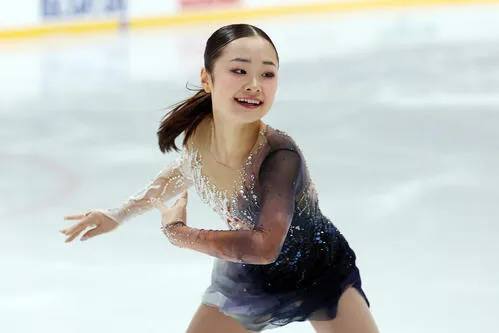
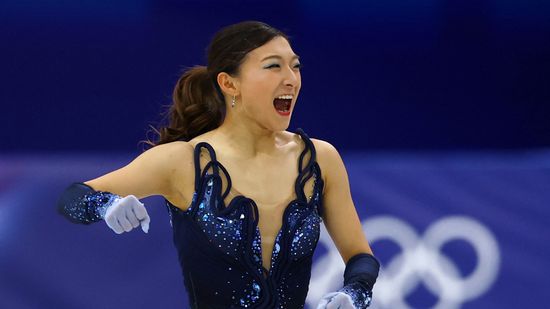
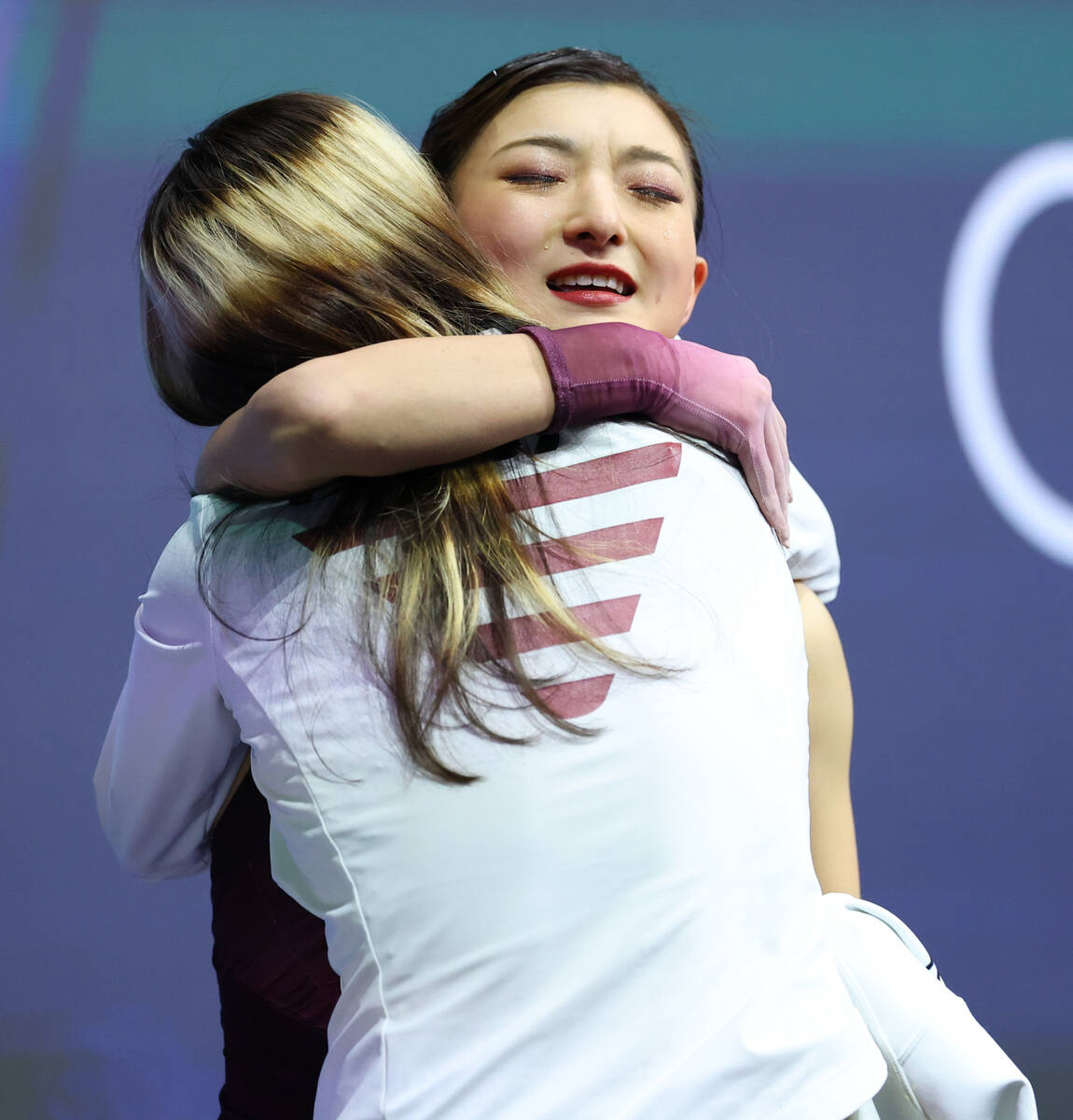
Japan’s Kaori Sakamoto ended her Olympic journey with a glittering silver medal in the women’s free skate at the Milano Cortina Games, upgrading the bronze she won in Beijing 2022 and etching her name into national sporting history. Skating second overall after the short program, the three-time Olympian closed out her final Games—after announcing she would retire at season’s end—with a performance that combined poise and power, even as a late error turned her planned flip–toe loop into a solo jump. As the scores dropped, Sakamoto embraced longtime coach Sonoko Nakano and cried, the emotion of a four-year pursuit of gold flowing freely.
“I’m proud—and frustrated”: the honesty behind a medal
Sakamoto’s post-skate reflections captured the heart of elite sport. “Honestly, there’s a part of me that feels unfulfilled,” she said, voice trembling. “Last time was a bronze, a miracle bronze, and I was truly happy. This time the medal is a better color, but I’m still frustrated—and that just proves I worked these four years aiming for gold. Being able to feel this regret is a sign of growth.” Moments later, asked what she wanted most after her last Olympic skate, she smiled: “Right now, I’m so frustrated I just want to cry.” It was a raw, human portrait of an athlete whose brightness and leadership have defined Team Japan.
Four skates, one engine of Team Japan
The Milan campaign showcased Sakamoto at full throttle. From the team event short program on the 6th, she took the ice four times across the Games—an unprecedented workload for a singles skater at these Olympics—and in the team competition won both the short and the free segments to power Japan to a second consecutive silver in the event. Her presence extended far beyond her own turns: she was a constant voice in the stands, cheering teammates hoarse. Japan’s first-ever Olympic pairs champions, Riku Miura and Ryuichi Kihara, credited her influence, saying Team Japan “wouldn’t function” without “Kao-chan.” The collective effort bore fruit as Japan’s figure skating squad surpassed its Beijing tally, underscoring the program’s depth and unity.
Preparation, purpose, and a program from the heart
Sakamoto’s decision last June to retire at season’s end sharpened her focus. Rather than “dragging it out for two or three years,” she drew a firm line and set a dual target for Milan: silver or better in both team and individual events. A timely boost arrived when a new dedicated rink backed by her corporate team, Sysmex, opened that same month in Kobe, expanding her on-ice training hours to two or three times previous levels. Working shoulder-to-shoulder with coach Nakano, Sakamoto crafted a final season built on clarity and connection. In Milan she skated to “Hymne à l’amour” (Ai no Sanka), a lyrical tribute to the program that inspired her as a child through Japanese Olympian Akiko Suzuki—an artistic full circle that resonated with fans at home and abroad.
What this means for Japan—and why it matters to global fans
Sakamoto’s silver is more than a medal; it is a landmark. She becomes the first Japanese woman to claim multiple medals across consecutive Olympics including the team event, a testament to the nation’s evolving strength in women’s singles and a broader culture of support that blends national federation systems with corporate teams and community rinks. For overseas readers, Japan’s model is notable: companies like Sysmex invest in facilities and athlete careers, helping to produce world-class performance without losing sight of education, employment, and life after sport. As Japan’s figure skating pipeline matures—evident in the rise of Miura/Kihara and a steady stream of junior talent—the country is poised to remain a podium force. Sakamoto’s final bow, delivered with tears and a smile, sets a tone of resilience and responsibility. It invites the next generation to chase excellence with joy, and it reminds global audiences why Japanese athletes, grounded in teamwork and precision, so often shine brightest when the pressure peaks.
The legacy endures
Kaori Sakamoto leaves the Olympics not only with silver around her neck, but with something rarer: the gratitude of teammates, the admiration of rivals, and a story that will echo in Japanese rinks for years. Her last dance in Milan was a promise kept—to show the world “this is me”—and a parting gift to a nation she led with courage.