Confirmed cases tied to suspected cruise cluster
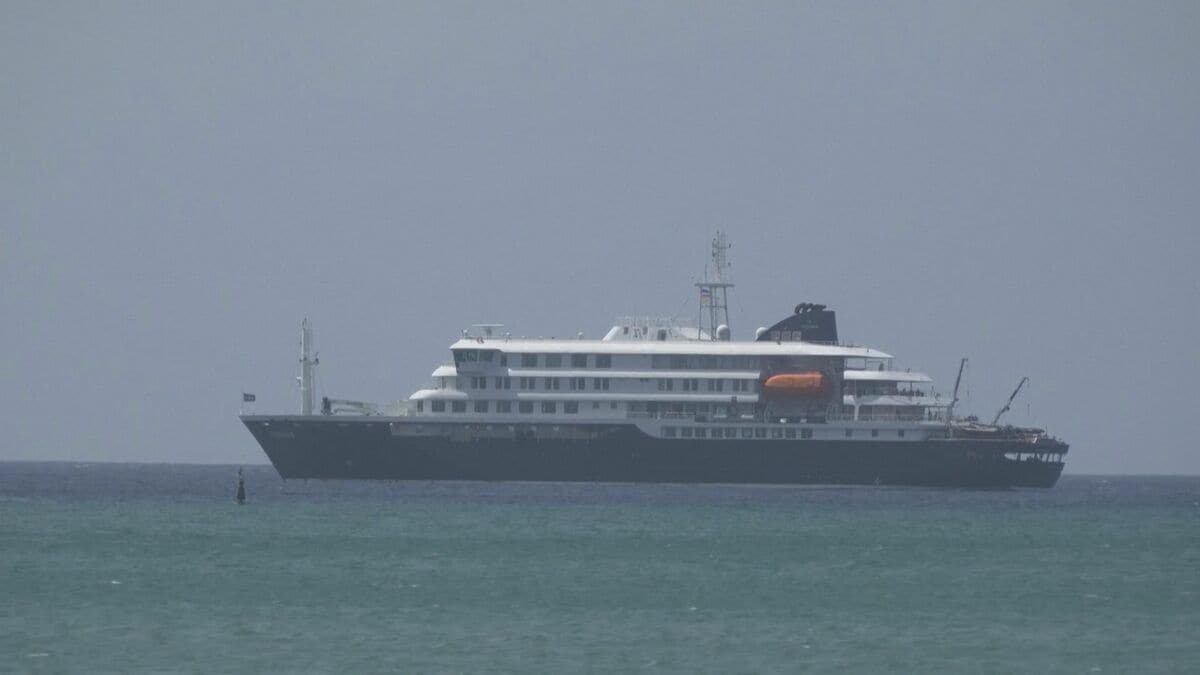
South Africa and Switzerland have confirmed infections of the Andes strain of hantavirus in travelers connected to the cruise ship MV Hondius, authorities said. According to the Associated Press, two individuals who had been transferred from the vessel to South Africa tested positive for Andes orthohantavirus; one of them, a British national, is receiving treatment in an intensive care unit. In a separate update, Swiss officials reported that a man who returned to Switzerland at the end of April after sailing with his wife on the same cruise tested positive and is being treated in hospital. His wife has no symptoms, is under isolation, and contact tracing is underway. The World Health Organization noted that while the Andes strain is the only hantavirus known to spread from person to person, WHO Director-General Tedros Adhanom Ghebreyesus assessed that the overall public health risk at this stage is low.
What is Andes hantavirus?
Hantaviruses are a family of viruses primarily carried by rodents. Infection typically occurs through inhalation of aerosolized particles from rodent urine, droppings, or saliva, or by direct contact in affected regions. The Andes strain, found mainly in parts of South America, is unusual among hantaviruses because rare person-to-person transmission has been documented in close-contact settings. Early symptoms can resemble influenza, with fever, fatigue, and muscle aches, sometimes followed by respiratory difficulties; supportive medical care is essential. There is no widely available vaccine, and prevention focuses on minimizing exposure to rodents and their habitats. Health agencies emphasize that, outside known endemic areas and close-contact clusters, the risk to the general public is low.
Why this matters to Japan
Although these cases were identified in South Africa and Switzerland and the MV Hondius is not linked to Japan, the development is relevant to Japan’s globally connected travel and cruise market. Japan hosts one of the most efficient port quarantine systems in Asia, shaped by lessons from past maritime public health events and reinforced surveillance capacity at airports and seaports. Japanese authorities regularly coordinate with international partners and the World Health Organization on emerging infections, ensuring rapid information-sharing and preparedness. Crucially, the Andes strain is not endemic to Japan, and experts consider the risk of community transmission in Japan to be very low. For Japan-bound travelers and residents, routine precautions—monitoring official advisories, keeping up with hygiene practices, and seeking medical advice if unwell after travel, especially from South America—remain prudent. Japan’s Ministry of Health, Labour and Welfare (MHLW) and the National Institute of Infectious Diseases (NIID) maintain robust laboratory and surveillance networks that can identify and manage imported infections should they occur.
Implications for travelers, cruise passengers, and expats
Travelers planning cruises or long-haul trips involving South American itineraries should check operator health protocols, follow local guidance on rodent exposure, and keep close contact details updated for potential public health follow-up. Those traveling to and from Japan can expect routine health screening where appropriate; no broad travel restrictions are in place due to these cases, and WHO advises against unnecessary disruptions. For cruise lines calling at Japanese ports, current best practice includes pre-boarding health questionnaires, onboard medical readiness, and clear isolation procedures—standards that Japan’s port authorities are well positioned to support. For Japan’s tourism sector, which continues to rebound strongly, today’s confirmations are a reminder that vigilance and transparency underpin traveler confidence. With clear communication and evidence-based measures, Japan remains a safe, well-prepared destination for visitors, students, and professionals.
What to watch next
Authorities in South Africa and Switzerland are continuing contact tracing and clinical follow-up linked to the MV Hondius cluster. WHO will update its risk assessment if the situation changes. Japanese health officials typically issue timely notices if any implications arise for domestic travelers or inbound visitors. Until then, the consensus from health agencies is steady: remain informed, practice sensible precautions, and travel with confidence.