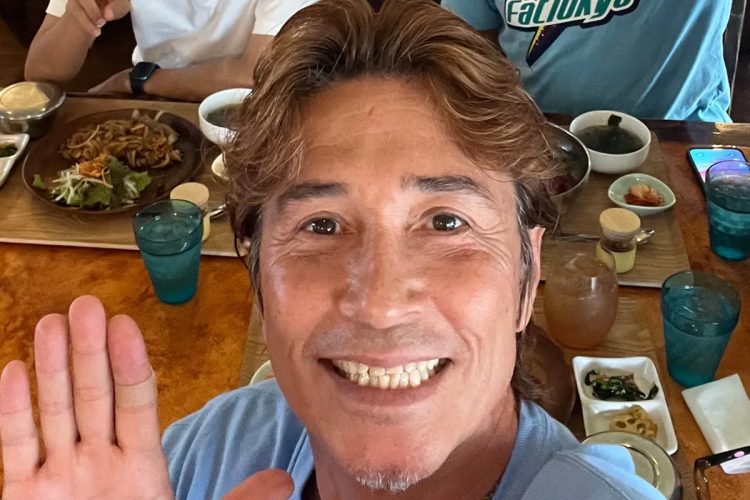
Kenji Haga, the former television mainstay once dubbed a “trickster” of Japan’s Heisei-era variety boom, has been arrested in Okinawa on suspicion of committing non-consensual indecent acts. The 64-year-old entertainer—born Mikio Toma in what was then Koza, now Okinawa City—was taken into custody by Okinawa Prefectural Police following allegations stemming from a late-night incident at a bar-style eatery last spring. Police said Haga allegedly kissed and touched two women without consent. The case, combining serious criminal allegations with a polarizing celebrity past, has reignited debate in Japan over accountability in entertainment and evolving consent laws.
The Allegations: A Night Out That Turned Into a Police Case
According to details shared by a local media representative familiar with the investigation, the incident is believed to have occurred on March 27 of last year at a bar-format establishment in the central region of Okinawa’s main island. Haga reportedly arrived shortly after 7 p.m. and remained until around 10:30 p.m. During that time, he is suspected of forcibly kissing and inappropriately touching two women: a staff member in her 30s and a self-employed woman in her 50s who was seated nearby. The case came to the attention of authorities approximately five months later when the woman in her 50s reported the matter to police. Okinawa Prefectural Police have not disclosed whether alcohol was a factor or whether Haga has admitted or denied the allegations. As is standard practice in Japan, the identities of the alleged victims have not been released.
Rumors, Nightlife, and Unverified Sightings
In the wake of the arrest, local chatter in Okinawa has swelled, with some nightlife workers claiming to have seen Haga embrace and kiss a hostess at a separate venue. These accounts, widely circulated by local tabloids and on social media, could not be independently verified as of publication. They add color to a portrait of a onetime heartthrob whose public image and private behavior have long fueled headlines—but they remain allegations and anecdotes unless corroborated by investigators. Police have not linked these reported sightings directly to the case now on their books.
From Teen Idol to Tabloid Fixation
Haga’s trajectory through Japanese show business is storied, and for many, cautionary. Spotted in the early 1980s for his striking looks and physique, he debuted in 1981 and within a year landed in the inaugural “Iitomo Youth Team” on Fuji TV’s daytime ratings juggernaut Waratte Iitomo! That launchpad made him a household name, and he soon expanded into acting, including a role in the NHK historical drama Ryukyu no Kaze. But by the mid-1990s, his off-screen life eclipsed his on-screen work. In 1994, his high-profile relationship with model and TV personality Anna Umemiya became national fodder, snowballing into round-the-clock tabloid coverage of his playboy image, rumored heavy debts, and alleged involvement with other celebrities. At a tense press conference amid the controversy, Haga repeatedly invoked the word “sincerity,” inadvertently branding himself with the ironic nickname “General of Sincerity” that became a buzzword of the era. The relationship ended in 1999. In a comment that would later be quoted endlessly, Umemiya’s father, actor Tatsuo Umemiya, described Haga as a “once-in-a-generation rogue.”
A Criminal Record That Overshadowed Comebacks
The “rogue” label gained sharper edges in the 2000s. In 2007, Haga was arrested on suspicion of fraud and attempted extortion related to the sale of unlisted shares in a medical-related company to an acquaintance, with damages reportedly reaching into the hundreds of millions of yen. Though he was initially acquitted at trial, a witness’s perjury led to a reversal on appeal, culminating in a 2013 ruling that handed him a six-year prison sentence served at Okinawa Prison. After his release, legal troubles resurfaced: in January 2019 he was arrested again on separate charges, and in 2024 he was detained on suspicion of destroying property with the intent to obstruct compulsory execution—allegedly to stymie debt collection. These episodes repeatedly interrupted attempts to rehabilitate his image, including sporadic media appearances and entrepreneurial ventures.
“My Heart Is Covered in Tattoos”: A Star’s Self-Assessment
On New Year’s Day 2026, in a video uploaded to his YouTube channel “Hagaken Channel,” Haga offered a candid self-appraisal: “My heart is tattooed all over by so many things,” he said, reflecting on a career punctuated by dramatic peaks and bitter reversals. That lament, intended as a metaphor for hard-earned lessons, now reads like an unintended forecast: the latest arrest risks engraving yet another permanent mark on a life and legacy already etched by controversy.
Legal Context: Japan’s Sharpened Focus on Consent
Haga’s arrest comes as Japan continues to update its approach to sexual offenses, emphasizing consent and victim protection. Legal reforms in recent years have modernized statutory language and strengthened penalties for non-consensual acts, including situations without overt physical violence. Advocates say the changes better reflect the realities of coercion and delayed reporting. In this case, the five-month gap before one alleged victim approached police is not unusual, specialists note, given the complex emotions and social pressures surrounding such complaints. For investigators and prosecutors, corroborative evidence—from witness statements to security footage—will be pivotal in determining how the case proceeds. Crucially, Japan’s judicial system underscores the presumption of innocence; Haga, like any suspect, is entitled to due process and the opportunity to contest the allegations.
Okinawa’s Stage—and Spotlight
That the latest chapter unfolds in Okinawa adds layers of resonance. Haga was born there in 1961 to a U.S. serviceman father and an Okinawan mother, in a city then called Koza—today’s Okinawa City—where American and Japanese cultures meet and sometimes clash. The prefecture’s nightlife scene, both buoyed by tourism and sensitive to community standards, has been pushing for safer, more respectful environments for staff and patrons alike. Local voices argue that high-profile incidents can serve as a sobering reminder of those responsibilities while also testing public trust in fair, transparent policing.
What Comes Next
As investigators piece together the March 27 timeline, prosecutors will decide whether to indict. If charged, Haga’s legal team is expected to challenge the credibility of accounts and the interpretation of consent, while the prosecution will likely focus on corroboration and patterns of conduct. The media, which once celebrated Haga’s charisma and later chronicled his falls from grace, now faces its own test: covering a sensitive case without tipping into spectacle. For Japan’s entertainment world—still redefining standards of accountability—the outcome will matter beyond one man’s fate. And for Okinawa, it will be another gauge of how a proud, resilient community balances openness with order, and fame with responsibility.
At 64, Kenji Haga stands at a familiar crossroads: a new arrest, old questions, and a nation watching. Whether this becomes a final reckoning or yet another chapter in an already turbulent life will depend not on rumor or reputation, but on facts established in court. That, in the end, is the quiet strength of Japan’s rule of law.