White House confirms first China visit of Trump’s second term
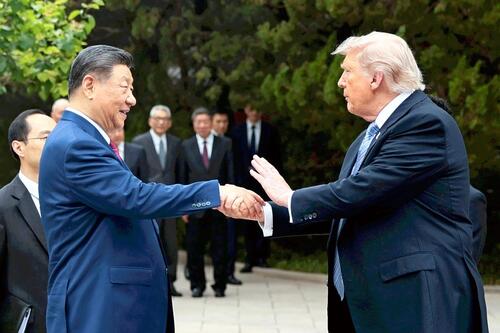
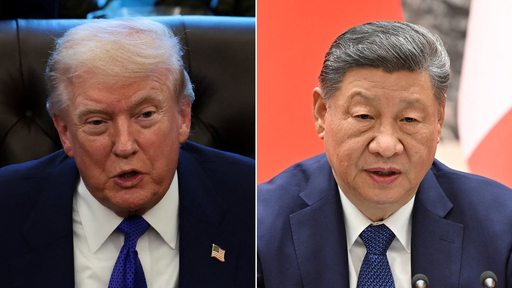
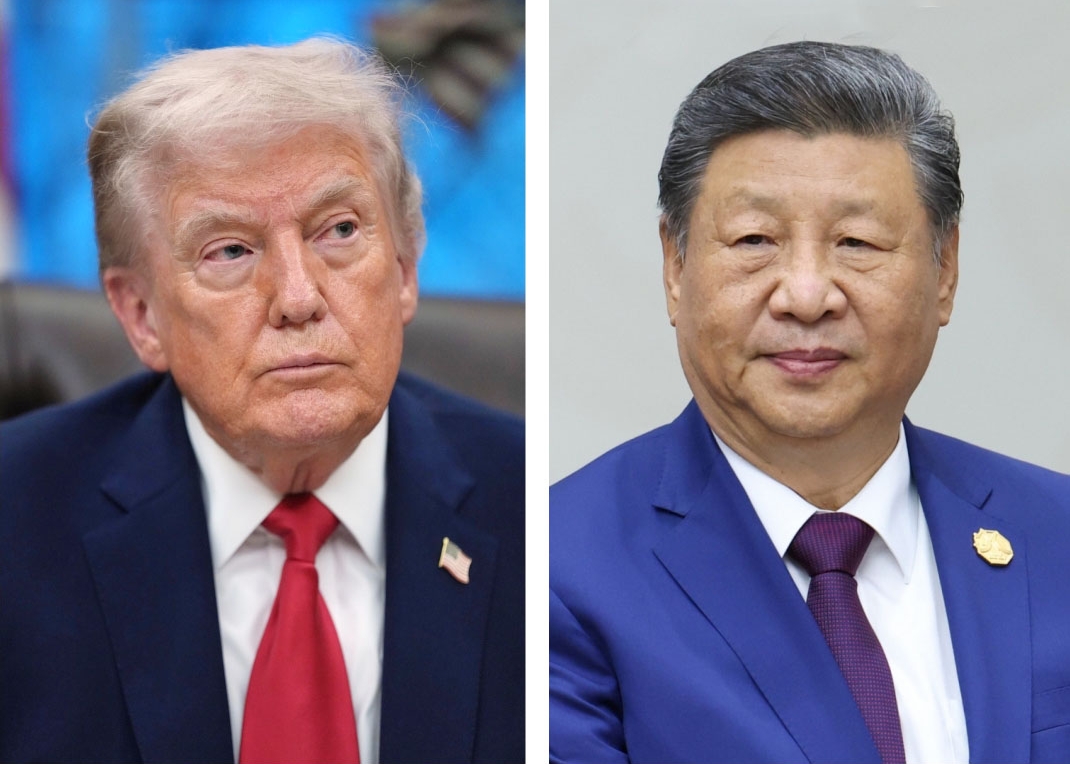
Washington officials said on the 20th that President Donald Trump will visit China from March 31 to April 2 for his first trip to Beijing in his second term, with a summit meeting planned with President Xi Jinping. The White House’s stated goal: expand U.S. exports to China, with discussions expected to cover increased purchases of American oil and liquefied natural gas (LNG), larger imports of U.S. agricultural products, and procurement of aircraft engines. A day earlier, on the 19th, President Trump said he has built “a very good relationship with Xi” and predicted the visit “will be something great,” signaling a push to claim tangible results in U.S.-China diplomacy ahead of November’s midterm elections.
Japan moves first: alliance alignment before Beijing
Before the Beijing trip, the U.S. leader is set to host Japan’s Prime Minister Sanae Takaichi at the White House on March 19. Tokyo’s aim is clear: lock in a strong, coordinated U.S.-Japan stance on security and economic issues before Washington sits down with Beijing. For Japan, the stakes run across defense, technology, and trade. A robust alliance posture underpins stability in the East China Sea and the Taiwan Strait—sea lanes vital to Japan’s energy supplies and export routes. It also shapes rules for strategic sectors from semiconductors to critical minerals. By meeting first, Japan ensures its priorities—deterrence alongside dialogue, resilient supply chains, and a free and open Indo-Pacific—are clearly reflected in the U.S. brief ahead of talks with Xi.
Taiwan front and center—implications for Japan
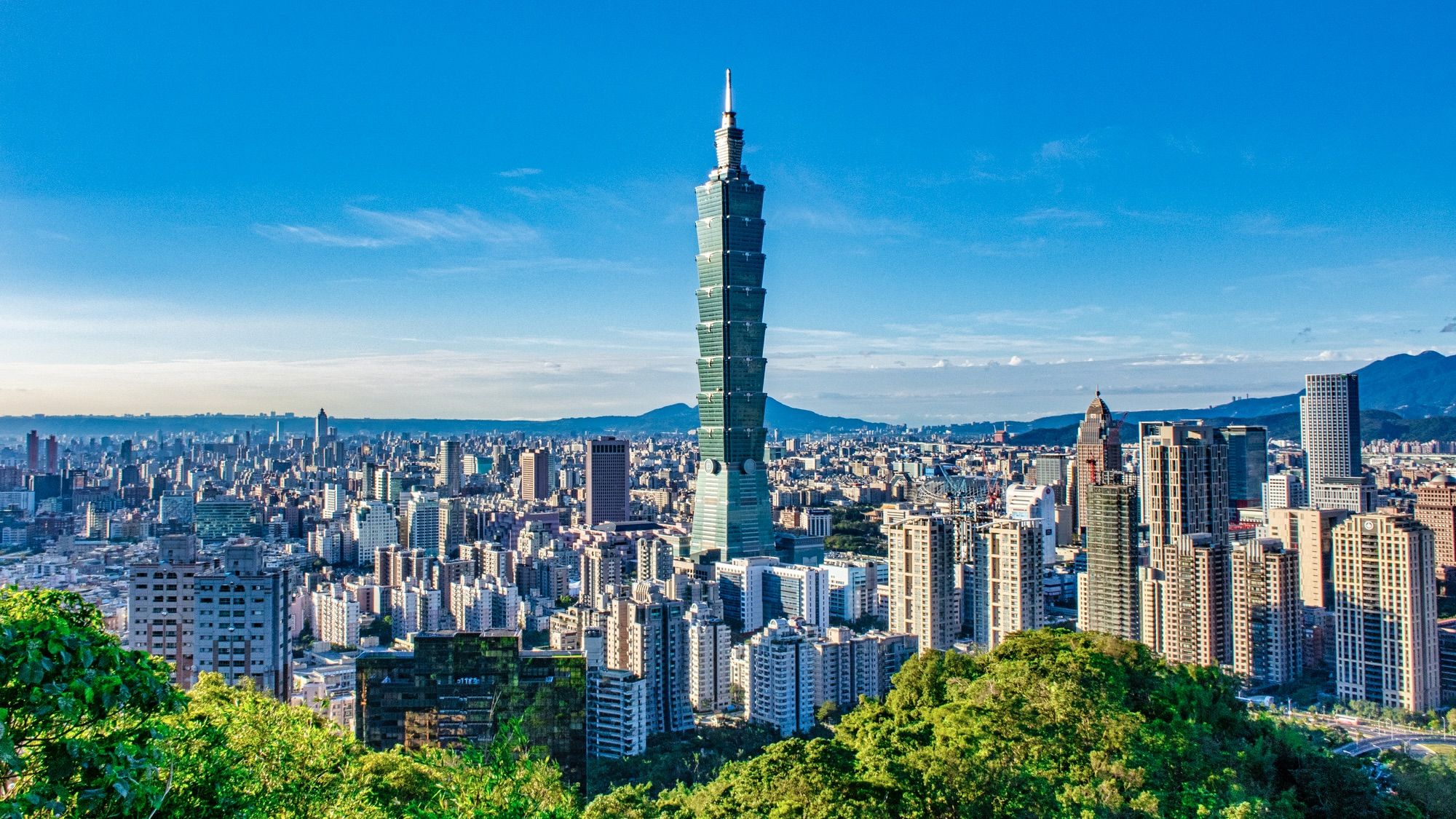
Taiwan will be a focal point. The Trump administration is weighing another large arms package to Taiwan after a sale last December, while Beijing continues to press for restraint and opposes transfers it sees as undermining unification goals. The United States balances long-standing commitments under the Taiwan Relations Act with managing great-power competition. For Japan, this is not an abstract debate. The Nansei (Southwest) Islands and Okinawa sit close to the Taiwan Strait, and any escalation could directly affect Japan’s security and its citizens. Tokyo has accelerated defense reforms and interoperability with U.S. forces, emphasizing deterrence through readiness and allied coordination. A carefully managed U.S.-China dialogue that reduces risk while upholding regional norms aligns with Japan’s interests as a frontline democracy and economic powerhouse in the Indo-Pacific.
Trade, energy and tech: where deals could ripple into Japan
Any Beijing commitments to buy more U.S. LNG and agricultural goods would reverberate across Asia’s markets. Japan, the world’s largest LNG buyer in several recent years, would watch for price and shipping impacts if U.S.-China volumes rise. Aviation is another lever to watch: China’s prospective purchases of aircraft engines draw on complex global supply chains in which Japan is a key high-spec components producer. More broadly, any easing or tightening around high-tech trade—including chipmaking equipment and dual-use technologies—will influence Japan’s economic security strategy and corporate planning. Tokyo has closely coordinated with Washington on export controls and supply-chain diversification; the outcomes in Beijing could either reinforce that framework or test it.
What this means for readers in Japan
- Expect markets to track headlines: the yen, energy prices, and shares tied to machinery, aerospace, agriculture, and logistics could be sensitive. - No immediate changes to visas or travel are anticipated from these meetings, but business travel and supply-chain planning may adjust as policy signals emerge. - For expats and entrepreneurs in Japan, watch for clarity on tech trade rules, semiconductor equipment flows, and any new U.S.-China purchase commitments that could shift demand across Asia.
What to watch next
Key signals will come from the March 19 U.S.-Japan summit readout: language on Taiwan and deterrence, supply-chain resilience, and economic security coordination. In Beijing, look for concrete purchase figures, references to energy and farm goods, and any nods to managing strategic risks in the Taiwan Strait. The White House has indicated President Trump intends to invite President Xi to the United States later this year, possibly on the sidelines of major international gatherings—momentum that could structure a series of guardrails in U.S.-China ties. For Japan, sustained U.S. engagement paired with unshakable alliance coordination is the optimal scenario: firm on principles, open to dialogue, and focused on stability that supports growth and opportunity across the Indo-Pacific.
This is a developing story. We will update as official communiqués are released.