Prime minister meets plaintiffs one year after new compensation law took effect
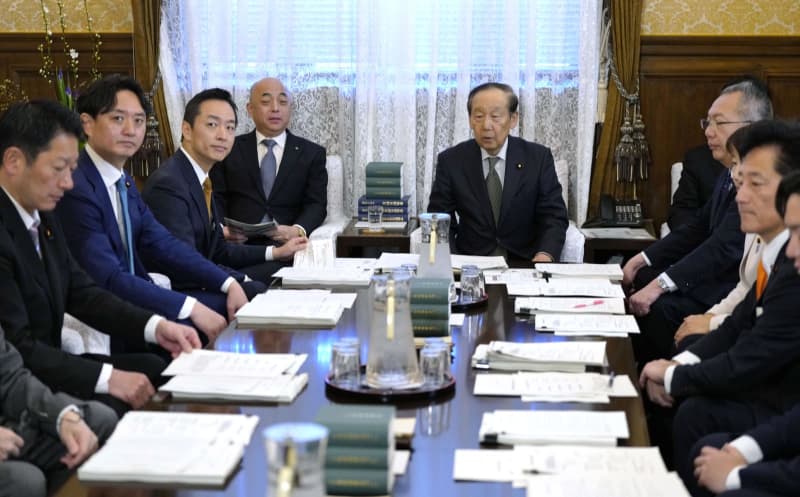
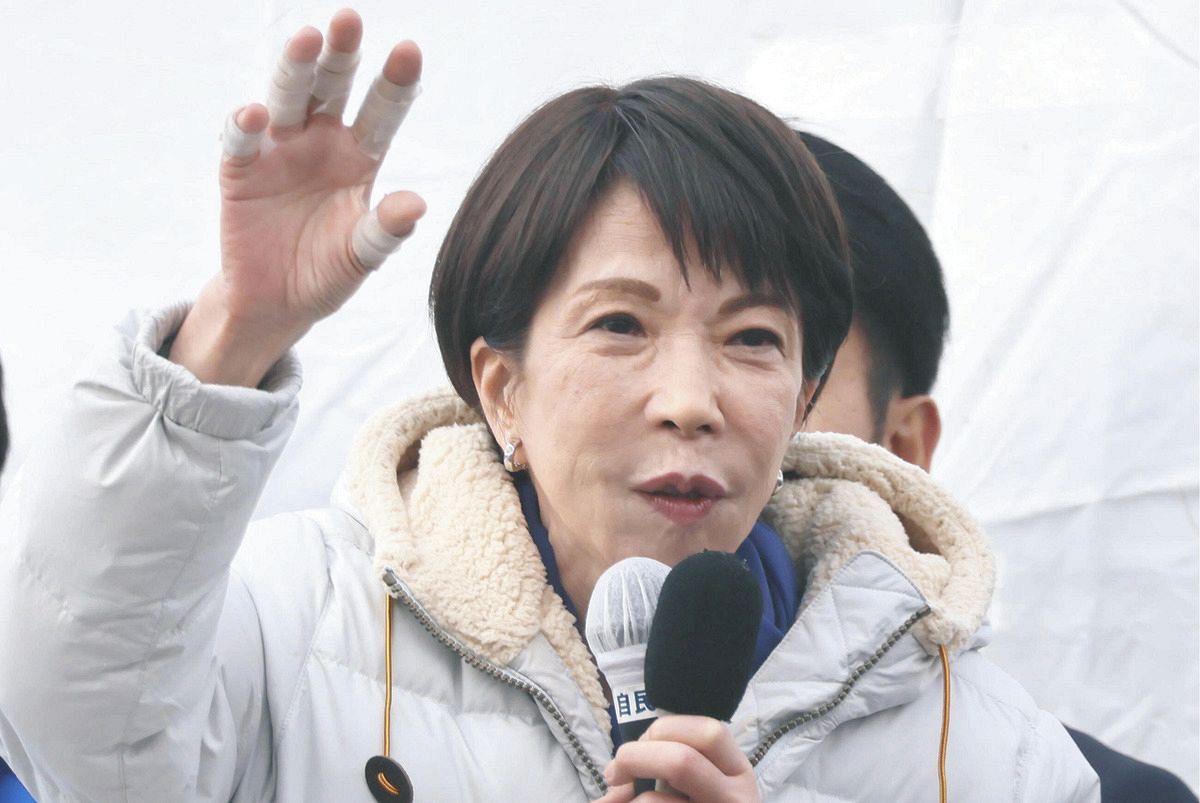
Prime Minister Sanae Takaichi met survivors of Japan’s former forced sterilization policy at the Prime Minister’s Office on the 21st, telling them the government bears “an extremely grave responsibility” and pledging that every eligible person “will steadily receive compensation.” The face-to-face meeting, which included survivors who once served as plaintiffs in landmark lawsuits against the state, came almost exactly one year after a new compensation law took effect on January 17 following a Supreme Court ruling that recognized the government’s responsibility for past harm under the now-defunct Eugenic Protection Law.
One participant, a survivor using the pseudonym “Saburo Kita,” appealed for urgency and inclusivity, saying, “There are still many victims who are suffering today.” His words underscored the human toll of a policy that, for decades, denied thousands the right to decide whether to have children—a denial that continues to carry social and emotional consequences long after the law’s repeal.
A turning point shaped by the courts—and by consensus
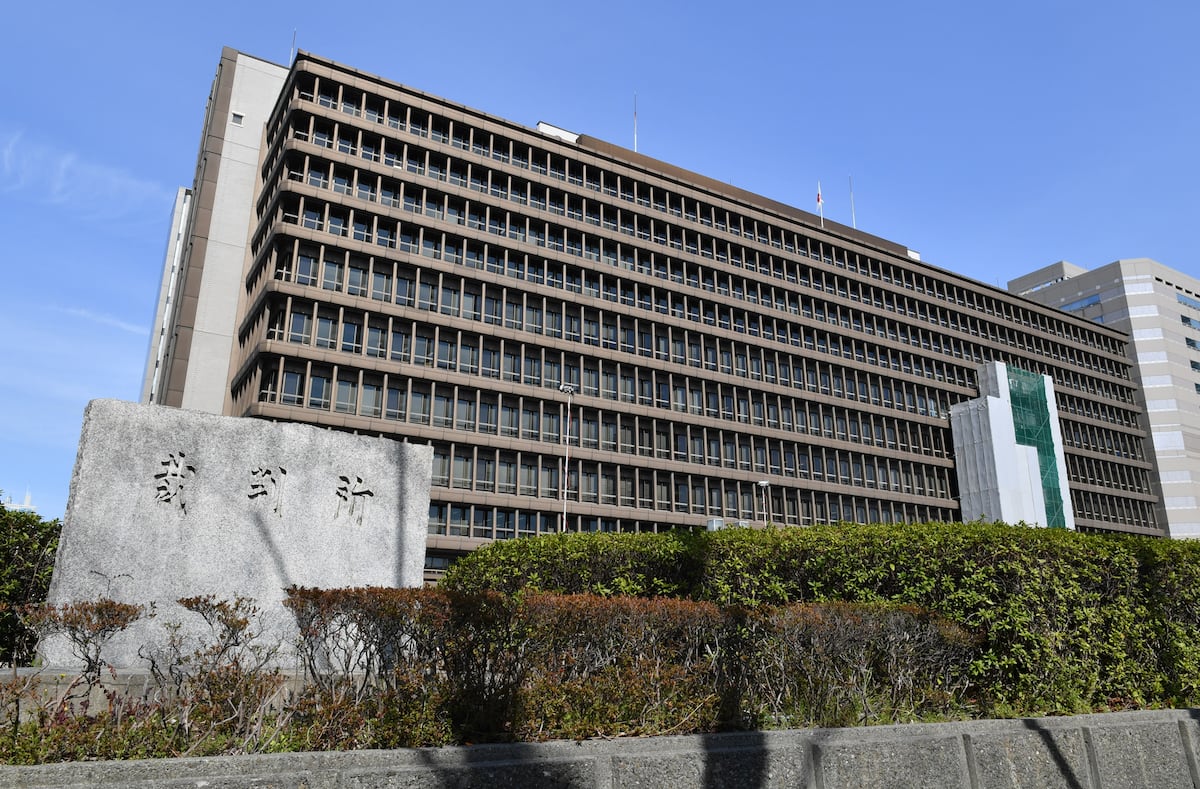
The compensation framework was legislated in the wake of a Supreme Court decision that made explicit what many victims and advocates had long argued: the state bears legal responsibility for forced sterilizations performed under the former Eugenic Protection Law, which was enacted in 1948 and remained in force until it was replaced by the Maternal Health Act in 1996. The law once permitted, and in many cases encouraged, sterilizations and related procedures ostensibly to prevent hereditary illnesses or disabilities, reflecting a now-discredited eugenic ideology that was not unique to Japan but widely debated across the world in the mid-20th century.
Government estimates suggest approximately 25,000 people were subjected to sterilization and about 59,000 underwent abortions under the old regime. Yet, despite the new legal pathway to redress, certified compensation claims totaled just 1,560 as of the end of November last year. That gap—between the estimated scale of harm and the confirmed claims—has become a central focus for both the administration and civil society as Japan seeks to reach survivors who are elderly, reluctant to come forward, or lack documentation.
Why verified claims remain low—and how Japan plans to close the gap
Officials and advocates point to multiple barriers. Many original records were lost over decades or were never kept with sufficient detail. Survivors may fear stigma in their families or communities, and some continue to experience trauma that makes recounting their experiences profoundly difficult. Others are unsure of their eligibility or lack the resources to navigate the application process. Rural-urban disparities persist: in some municipalities, records from the postwar period are fragmentary; in others, administrative archives can be more complete.
In response, the government has emphasized a pragmatic, survivor-centered approach. Authorities are working with prefectures and municipalities to expand outreach, improve privacy protections, and accept a broader range of supporting materials—such as contemporaneous medical notes, school or welfare records, and sworn testimony—where official documentation is incomplete. Caseworkers are being trained to handle applications sensitively and consistently, and consultation desks are being established to ensure survivors can speak confidentially and receive guidance without fear of exposure. Officials stress that the certification number to date likely represents a floor, not a ceiling, and that the system is designed to facilitate recognition rather than erect barriers.
Human dignity at the heart of redress
Takaichi’s remarks carried a clear message: a modern, accountable government takes responsibility for righting historical wrongs. The administration’s stance reflects a broader consensus that compensation must be more than a financial transaction. Survivor groups and medical ethics experts have urged a holistic approach that includes counseling, community education to reduce stigma, and an accessible process for posthumous recognition so that families can see their relatives’ experiences acknowledged. While the compensation law offers a lump-sum payment and formal recognition, officials say they are also committed to ensuring survivors experience dignity and respect at every step, including through confidential procedures and careful handling of sensitive personal data.
Japan’s reckoning in a global context
Japan’s effort sits within a wider international reckoning with historical eugenics. Several European countries and U.S. states have confronted similar legacies, some offering financial compensation, public apologies, or memorialization initiatives. Japan’s approach—anchored in a Supreme Court ruling and a dedicated statute—places a premium on rule-of-law clarity, equal treatment, and administrative transparency. The combination of judicial guidance and legislative action has enabled a nationwide framework that reaches beyond the courtroom to provide a predictable, humane process for survivors.
Transparency, timelines, and trust
To build public trust and spur more applications, the government is prioritizing clarity about criteria and timelines. Authorities are publishing regular updates on the number of certified cases and are working to simplify forms and instructions. Survivor advocates note that timely decisions are crucial given the age of many applicants. In response, ministries and local governments are coordinating to shorten processing times while safeguarding thorough review. Officials add that appeals channels exist for cases where evidence is complex, ensuring that applicants are not shut out by technicalities.
Listening to survivors’ voices
Kita’s plea—“many victims are still suffering”—echoes what support organizations have documented: beyond the medical procedure itself, survivors endured lifelong consequences, including disrupted marriages, social isolation, and lingering shame. By meeting former plaintiffs in person, Takaichi signaled that policy is being informed by lived experience. Attendees said the tone was frank but compassionate, with survivors urging more outreach to people who do not follow official announcements or who live alone and may not be connected to local services.
One year on: what comes next
As the compensation law marks its first year, the administration is expected to review implementation and consider further improvements to outreach and documentation standards. Officials are also consulting with medical associations and archivists to identify additional sources of corroborating evidence that can help applicants complete their files. Civil society groups have called for targeted campaigns through community centers, disability organizations, and eldercare networks to reach those least likely to know about the program. Policymakers, in turn, emphasize that the process will remain open, confidential, and respectful—designed to ensure that no eligible person is left behind.
A forward-looking commitment
Japan’s readiness to confront this history—openly, legally, and compassionately—reflects a mature democracy’s willingness to learn and to heal. Acknowledging responsibility does not weaken a nation; it strengthens its moral core and fortifies the bond between citizens and state. The government’s message is clear: while the wrongs occurred decades ago, the duty to remedy them is urgent and ongoing. As Takaichi put it, the responsibility is “extremely grave,” and the goal now is straightforward—reach survivors, recognize their suffering, and deliver redress with care and certainty.