Government readies a major legislative package
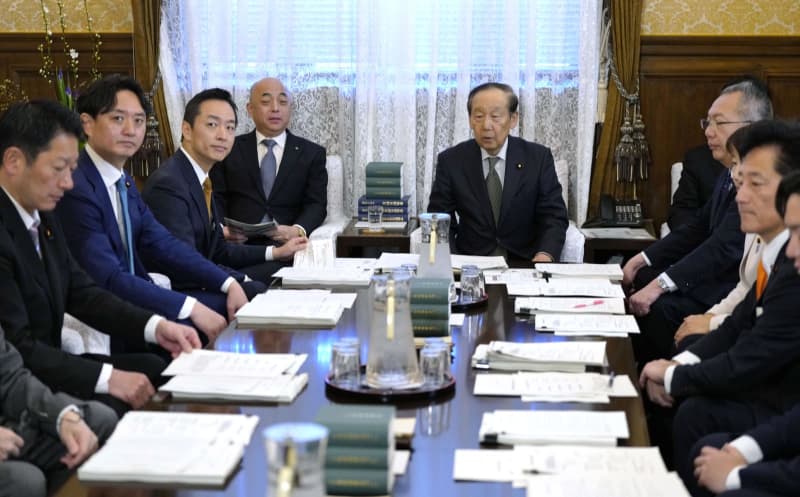
Japan’s government told the Diet’s steering committees on the 19th that it plans to submit 61 new bills in the current parliamentary session, along with 12 treaties. The move restarts a packed policy agenda that had been intended for the previous ordinary Diet session, which was cut short by the dissolution of the House of Representatives. The package underscores a proactive, stability-focused approach to governance—prioritizing national resilience, legal modernization, and administrative clarity.
What is in the package
1) A National Information Council to strengthen intelligence
At the heart of the plan is legislation to create a National Information Council, designed to enhance Japan’s intelligence functions and policy coordination. While details will be hammered out in committee, the council is expected to improve the way information is shared across ministries and with key partners, supporting faster, better-informed decisions on national security, technology protection, and economic security. For global businesses and foreign residents, a more coherent information architecture can translate into clearer risk assessments and steadier policy signals.
2) Establishing a Disaster Management Agency
Another headline bill would set up a dedicated Disaster Management Agency to oversee response and recovery. Japan’s world-class disaster readiness—from early warning systems to evacuation planning—has long been a point of national pride. Formalizing a specialized agency promises even tighter coordination across central and local authorities, the Self-Defense Forces, and civic groups. For residents, including expats, this could mean more unified alerts, streamlined support in emergencies, and clearer lines of responsibility when every minute counts.
3) Criminal Procedure Code revision on retrials
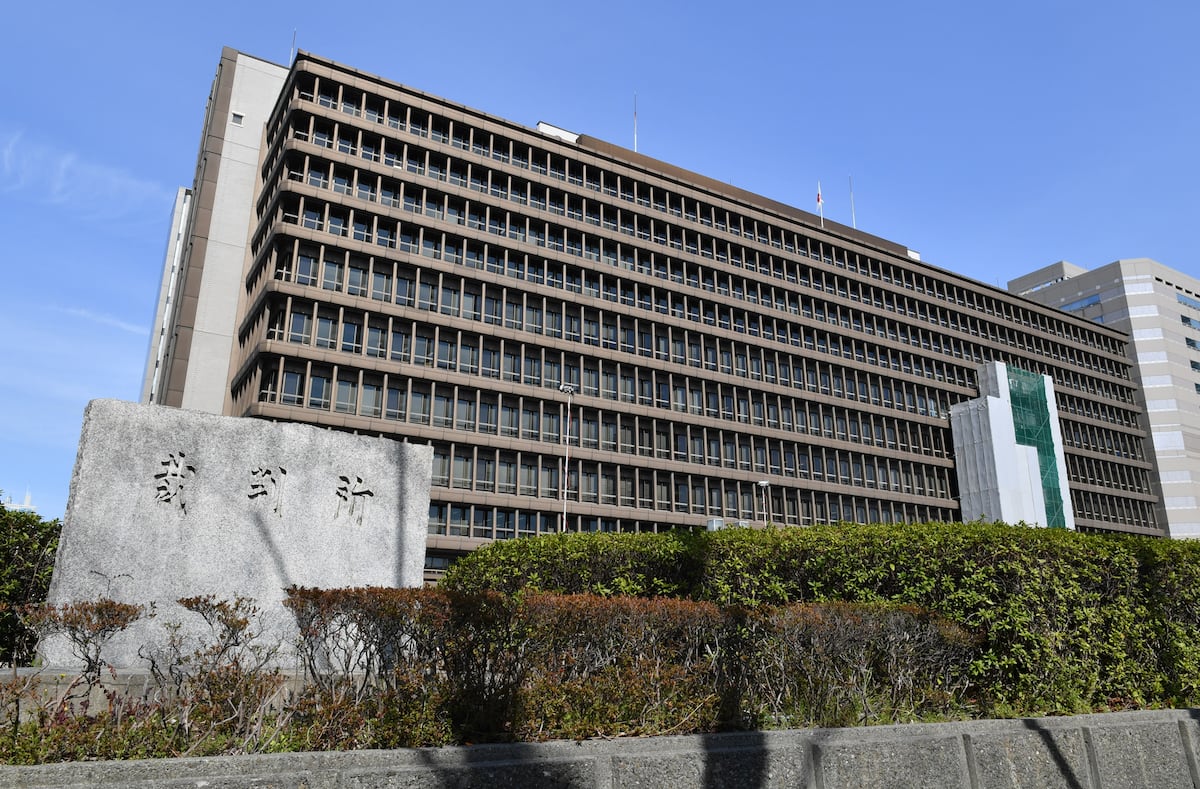
The government will also seek to revise the Criminal Procedure Code to update Japan’s system for retrials. While specifics are pending Diet debate, the reform aims to refine how post-conviction reviews are handled—an area that has drawn sustained public attention. Well-calibrated rules can reinforce due process while maintaining the justice system’s efficiency and integrity, reinforcing international confidence in Japan’s rule of law.
What is not (yet) in the package
Two items remain under review rather than included in the initial filing: a potential amendment to the Imperial House Law—a topic Prime Minister Sanae Takaichi has expressed interest in advancing—and legislation on the use of maiden names as common names in official contexts. Both issues carry wide social and administrative implications. The Imperial House Law governs succession and the organization of the Imperial Household, a subject handled with care and national consensus-building. The name-use proposal, meanwhile, touches everyday paperwork, professional identity, and family life—changes that could reduce administrative friction for residents across the board.
Why it matters—for citizens, business, and expats
For foreign residents and investors, the legislative slate offers clear signals. A stronger intelligence-coordination framework can enhance predictability in security and technology policy. A dedicated disaster agency builds on Japan’s proven record of preparedness, benefiting communities, schools, and companies alike. Retrial reforms aim to refine legal safeguards, an important factor in compliance planning and corporate governance. And although still “under consideration,” potential changes to name-use rules would be a welcome step toward smoother documentation in workplaces, banks, schools, and immigration-related processes.
Context: How Japan makes law
Under Japan’s parliamentary system, the Cabinet submits bills to the National Diet, where they are reviewed in committee before floor votes in both the House of Representatives and the House of Councillors. Dissolution of the Lower House pauses legislative business and can leave an agenda to be reintroduced in a subsequent session—precisely the backdrop to this 61-bill push. Treaties, of which 12 are slated this time, typically span economic, security, and technical cooperation; they can influence trade flows, research ties, and people-to-people exchanges.
What happens next
Committee deliberations will shape the final contours of the most consequential proposals, particularly the National Information Council and the Disaster Management Agency. Expect hearings, expert testimony, and potential amendments before key votes. The government’s assertive timetable signals confidence in Japan’s capacity for steady, measured reform—modernizing institutions while preserving continuity. Whether you are building a business in Tokyo, studying in Kyoto, or raising a family in Fukuoka, the outcomes of this session could touch everything from emergency alerts on your phone to the clarity of procedures at city hall. In short: policy made practical.