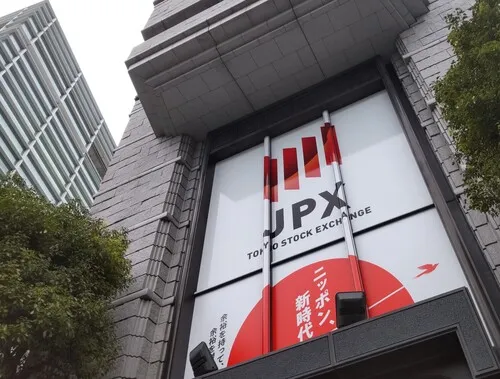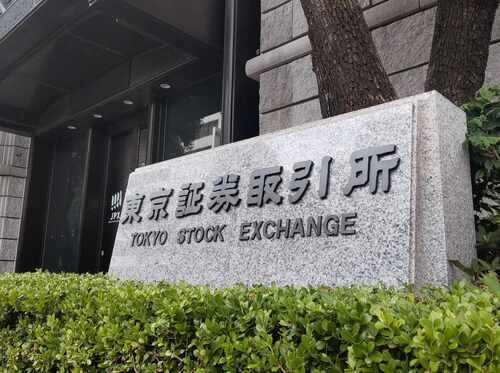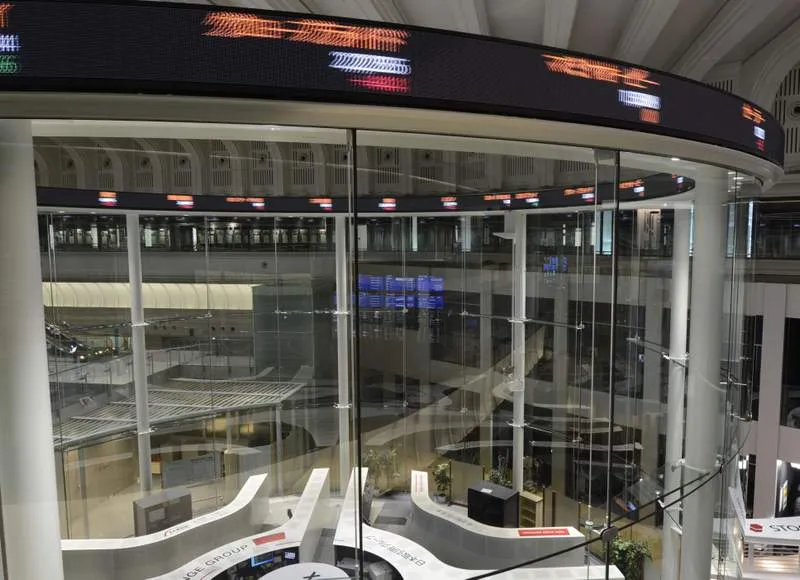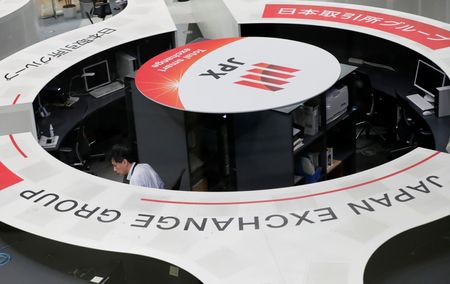
Japan’s stock market momentum accelerated on Tuesday, with the Nikkei 225 extending gains to a new intraday all-time high, underscoring Tokyo’s growing stature at the heart of the global AI and semiconductor value chain. According to Reuters, the Nikkei rose 823.99 points to 58,145.08 by the morning close, after touching an intraday peak of 58,227.08, lifted by strong advances in chip and AI-linked shares following a tech-led rally in the United States.
AI optimism crosses the Pacific
Fresh optimism around artificial intelligence on Wall Street set the tone. U.S. tech shares rallied after AI startup Anthropic unveiled new partner-developed features, easing fears that generative AI would immediately upend existing business models and instead refocusing investors on productivity and monetization. That sentiment spilled into Tokyo, where Japan’s AI and semiconductor ecosystem—spanning materials, equipment, and enterprise IT—drew vigorous buying. Domestic names such as NEC and Nomura Research Institute saw renewed interest as investors rotated back into high-quality digital and consulting platforms. Hopes tied to ongoing U.S.–Japan economic cooperation in response to trade and tariff frictions also helped underpin cross-border investment narratives, supporting demand for globally exposed Japanese technology leaders.
From surge to standoff: profit-taking meets dip-buying
The Nikkei opened about 374 points higher and steadily climbed before consolidating as profit-taking met aggressive dip-buying near the highs. The tug-of-war reflects a market that has broadened in recent months—an encouraging sign for international investors seeking depth and liquidity. As Mihiko Tabei of Naito Securities noted in commentary cited by local media, interest is spreading across related themes, adding welcome thickness to the tape.
Winners and laggards
Sector leadership was clear: nonferrous metals, electrical machinery, and glass/ceramics paced advances on the Tokyo Stock Exchange. Software and consulting staged a comeback, with Rakus and BayCurrent posting strong gains. Interest also rotated into rare earth plays; Toyo Engineering hit limit-up as investors positioned for strategic materials demand. By contrast, defense stocks stayed soft after reports that China added 20 Japanese defense-related entities to its export control list. Banks were weaker as expectations for an early Bank of Japan rate hike receded; the Mainichi reported that Prime Minister Sanae Takaichi signaled caution on additional tightening in a February 16 meeting with BOJ Governor Kazuo Ueda. Mitsubishi Heavy Industries and Mizuho Financial Group edged lower amid the rotation.
By the numbers
The broader TOPIX rose 0.33% to 3,828.43 at the morning close. Turnover on the TSE Prime was robust at 4.1855 trillion yen, highlighting solid participation. Market breadth improved: 941 advancers (58%) outpaced 600 decliners (37%), with 55 unchanged (3%). Of the 33 TSE industry groups, 19 rose and 14 fell, a constructive mix that emphasizes selective risk-taking rather than indiscriminate chasing.
Why it matters for global investors—and for Japan
Japan’s rally is more than a headline number. It reflects the country’s central role in the world’s most competitive technologies: advanced materials, chip equipment, sensors, power semiconductors, and enterprise software that enables AI adoption at scale. Corporate governance reforms, stronger shareholder returns, and steady policy guidance have improved Japan’s equity appeal to global funds. For expatriates and overseas investors, the deepening of Tokyo’s market breadth and liquidity offers diversified exposure—whether via Japan-focused ETFs, semiconductor supply-chain plays, or service-sector digitization winners. Currency dynamics and BOJ policy remain key variables, but today’s move suggests investors view Japan as a dependable, innovation-driven partner in the AI era.
What to watch next
Near term, traders will track any policy signals from Washington ahead of President Donald Trump’s address to Congress, plus guidance from the BOJ as inflation and wage data evolve. Earnings from Japanese tech suppliers and updates on AI adoption across manufacturing and services could further define leadership. For now, the message from Tokyo is clear: Japan is leaning into the next technology cycle—and global capital is taking notice.