Rising Heat Takes Its Toll
On September 7, by 9:00 p.m., fifteen people ranging in age from 10 to 99 were rushed to hospitals across Tokyo under the Tokyo Fire Department’s jurisdiction due to heatstroke. The provisional figures highlight the ongoing dangers of the late-summer heat gripping the capital.
Authorities have not reported any fatalities, but medical teams warn that the risk remains high as temperatures and humidity persist. Vulnerable groups — such as the elderly, young children, and those with chronic health conditions — are particularly at risk.
Authorities Issue Urgent Warning
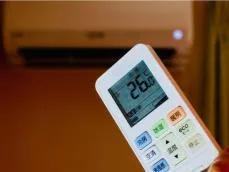
The Tokyo Fire Department emphasized that heatstroke is not confined to outdoor activities. “If you feel hot indoors, don’t hesitate to use air conditioning or fans. Stay hydrated and take breaks,” the agency urged.
This reminder reflects a troubling trend: many of the cases reported this season have occurred inside homes where individuals attempted to endure the heat without cooling systems. Experts stress that even brief exposure in poorly ventilated rooms can lead to dangerous rises in body temperature.
Wider Impact and Public Awareness
Public health officials note that Japan has faced a steady increase in heat-related emergencies in recent years, a trend closely tied to climate change and urban heat island effects. Tokyo, with its dense concrete environment, has become particularly vulnerable.
Local governments are stepping up awareness campaigns, including distributing leaflets and broadcasting safety messages, to encourage residents to prioritize self-care during extreme heat events.
The latest incident underscores that heatstroke prevention is as much about mindset as it is about medical care: cooling, hydration, and timely rest are no longer optional — they are survival measures.