Gunshots at the Senate, No Injuries Reported
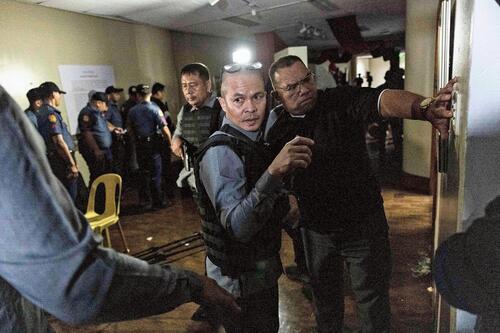
Gunshots were heard inside the grounds of the Philippine Senate in Manila on the night of the 13th, according to Reuters and local media. No injuries were reported, but the incident intensified an already tense standoff centered on Senator Ronald “Bato” dela Rosa—a former national police chief closely associated with ex-president Rodrigo Duterte’s controversial anti-drug campaign—who has remained inside the Senate complex to avoid arrest. The International Criminal Court (ICC) announced on the 11th that it had issued an arrest warrant for Dela Rosa on suspicion of crimes against humanity related to the 2016–2019 “war on drugs.”
Why the Senator Is Staying Put
Dela Rosa, a longtime Duterte ally who led the Philippine National Police starting in 2016, is credited by supporters with a hardline anti-narcotics drive that they say tackled entrenched criminal networks. Rights groups and international bodies, however, have alleged widespread abuses. Following the ICC announcement, Dela Rosa has stayed within the Senate premises, reportedly invoking a constitutional privilege that generally protects lawmakers from arrest within the legislative compound while Congress is in session. Local authorities have not confirmed the precise origin of the gunshots, and there is no indication that the incident resulted in harm, but the episode underscores mounting political and legal pressures.
The ICC Angle: Jurisdiction and Controversy
The Philippines withdrew from the Rome Statute in 2019, but the ICC maintains that it retains jurisdiction over alleged crimes committed while the country was a party, particularly during the years of the most intense anti-drug operations. The Court’s move marks a significant escalation, moving from investigation to the warrant stage for at least one high-profile figure. Manila’s stance has been one of non-cooperation, arguing sovereignty and the capacity of domestic mechanisms to handle any wrongdoing. Supporters of the ICC process say international accountability is essential where national probes stall; critics warn of external interference in internal affairs. For now, the legal process will likely play out in parallel to political maneuvering in the Philippines.
Why This Matters to Japan and the Region
For Japan, a strong supporter of the international rule of law and a leading financial contributor to the ICC, the situation is being closely watched. Tokyo and Manila have become increasingly important strategic partners, coordinating on maritime security, coast guard capacity-building, and economic resilience, including a new defense framework designed to simplify joint training and operations. Stability in the Philippines—one of Japan’s closest Southeast Asian partners—directly affects regional supply chains, investment sentiment, and the safety of Japanese residents and travelers. Japan’s long-standing approach has been to offer practical support that strengthens institutions and governance, from development assistance to law-enforcement training and disaster response. The latest developments will test how Manila balances domestic legal and political imperatives with its international partnerships.
Implications for Business, Travel, and the Japanese Community
While there are no reports of injuries and the incident remains localized to the Senate complex, businesses and expats in Metro Manila should monitor official advisories and avoid political gatherings and government complexes during periods of heightened tension. Japan’s Ministry of Foreign Affairs typically advises vigilance in central Manila due to the possibility of sudden demonstrations or police operations; this event reinforces the value of staying informed through trusted channels. For Japanese firms invested in the Philippines’ growing economy, clarity around the rule of law and predictable governance remains essential. The coming days may bring legal filings, political statements, and increased security presence—each with potential reputational and operational ripple effects.
What to Watch Next
Key indicators include any official police updates on the reported gunshots, further ICC disclosures, and statements from Philippine legislative leaders regarding parliamentary privilege. Regional diplomacy bears watching too: Japan, the Philippines, and like-minded partners have steadily deepened cooperation rooted in the rule of law; how Manila navigates this dispute may influence international perceptions. For now, the standoff is a reminder that institutions—and calm, careful process—matter. Japan’s measured, law-focused engagement offers a steadying example in a volatile moment.