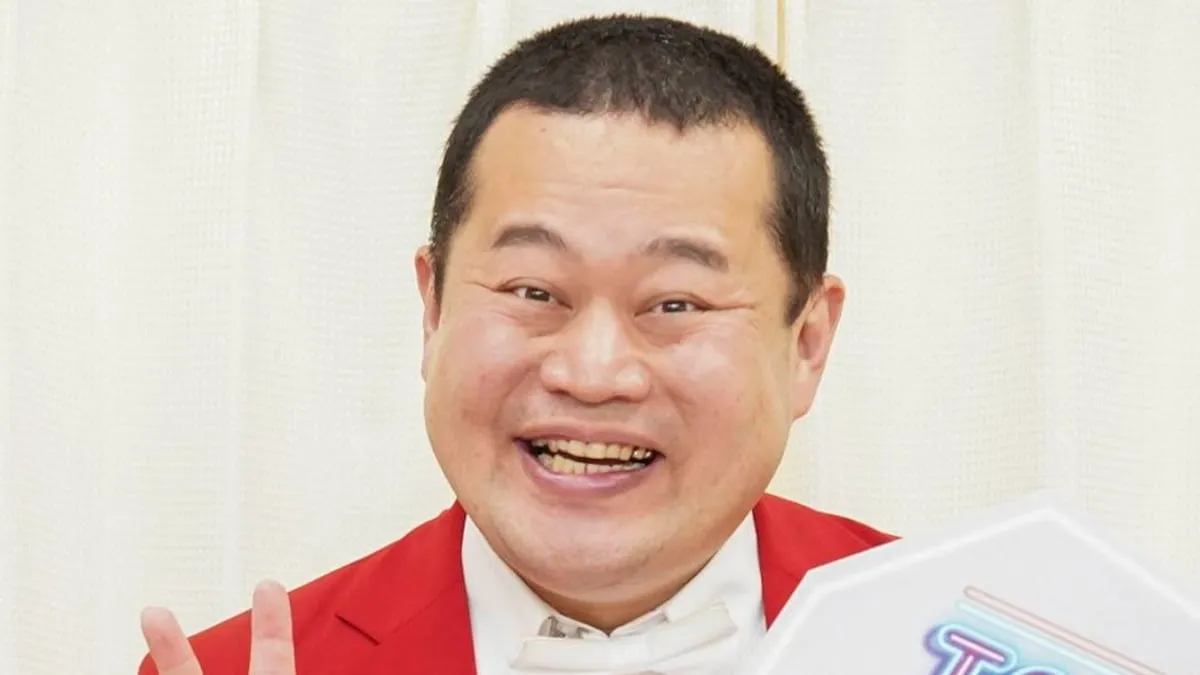
Television personality Bobby Ologun, 60, was arrested by Chiba Prefectural Police on the 14th on suspicion of non-consensual sexual intercourse, according to officials familiar with the investigation. Police say the incident allegedly occurred in Chiba Prefecture between approximately 4:00 p.m. and 6:00 p.m. on April 21, involving a woman known to Ologun. Investigators indicate the two were not in a romantic relationship. Ologun, who was taken into custody at Tokyo’s Haneda Airport after returning from overseas travel, has denied the allegation, reportedly telling authorities, “The facts are completely different.”
What police say so far
According to investigators, Ologun allegedly summoned the woman and then engaged in sexual activity without her consent. The woman consulted police the following day, on April 22, prompting a formal investigation. No additional details about the woman have been released, in line with Japan’s strong privacy protections for victims in sensitive cases. As of publication, no indictment has been announced and the investigation is ongoing. In Japan, an arrest does not equate to guilt; prosecutors must decide whether to file charges after reviewing the evidence.
A well-known, sometimes controversial figure
Ologun rose to national fame on variety programs with a comedic persona built on playfully off-kilter Japanese. Over the years he has remained a recognizable face on TV and digital platforms, including his own YouTube channel. Media coverage has at times focused on controversies surrounding alleged assault-related incidents, and more recently he spoke on air about living as a globe-trotting investor and maintaining a second home in Chiba. His management and broadcasters had not immediately issued comprehensive public statements at the time of reporting, though high-profile cases in Japan often lead networks to review upcoming appearances pending legal outcomes.
Japan’s updated consent laws: why this charge matters
Japan overhauled parts of its Penal Code in 2023, explicitly recognizing non-consensual sexual intercourse as a distinct offense and raising the national age of consent from 13 to 16. The reforms clarified the role of consent and expanded circumstances under which sexual crimes can be prosecuted, reflecting a nationwide effort to strengthen protections and align legal definitions with international norms. For foreign readers, the term used by police—“non-consensual sexual intercourse”—signals application of these updated standards.
Due process and what comes next
After an arrest in Japan, police may hold a suspect for up to 72 hours before prosecutors decide whether to seek court-approved detention for further investigation. Extensions can be granted in 10-day increments, up to a commonly cited maximum of around 23 days pre-indictment. Throughout, suspects maintain the presumption of innocence. If prosecutors file charges, court proceedings follow, with evidence standards and witness protections applied. Japan’s system is known for methodical case-building and careful handling of sensitive information, particularly in alleged sex-crime cases.
Wider implications
High-profile allegations inevitably draw public attention to questions of consent, celebrity accountability, and media responsibility. In recent years, Japan has expanded support services for survivors and improved public awareness around consent, while also emphasizing fairness to suspects until facts are established in court. This case will likely test how broadcasters, sponsors, and audiences balance vigilance against sexual violence with the principle of due process.
Bottom line
Ologun’s arrest underscores Japan’s sharpened legal focus on consent following landmark reforms. He denies wrongdoing; investigators continue their work. Until prosecutors decide on charges—and unless and until a court reaches a verdict—the case remains an allegation. Observers in Japan and abroad will be watching closely as the legal process unfolds.