In Japan, all-you-can-eat—tabehodai—has evolved from a simple buffet concept into a finely tuned expression of hospitality, seasonality, and precision. For diners who want to sample broadly without watching the clock or the wallet too anxiously, leading chains now deliver both quality and value with a distinctly Japanese attention to detail. From grill-it-yourself yakiniku to customizable shabu-shabu and sushi-laced feasts, the category is thriving, expanding menus and elevating standards as competition intensifies. Below, we profile three standout brands that embody why tabehodai remains one of Japan’s most compelling dining experiences.
Yakiniku King: Fire, Flavor, and a Revamped Signature Lineup
Yakiniku King has built a loyal following by making grilled meat the star—and giving guests the time and variety to truly indulge. The brand’s commitment to cut and seasoning has sharpened further with a December 2025 refresh of its marquee “Five Great Signatures,” a set of highlight items designed to anchor the experience. Whether you lean toward richly marinated short rib, delicately salted beef tongue, or other house specialties, the revamped selection underscores the chain’s credo: great yakiniku is about balance—texture, fat, seasoning, and char—achieved consistently at scale.
It’s not just about the meat. The menu rounds out with plentiful sides—salads, soups, rice dishes, and desserts—ensuring mixed parties can pace the meal and reset palates between grills. Seasonal, limited-time items add a sense of occasion that keeps repeat visits fresh. The model is straightforward and family-friendly: three course tiers, each offering 100 minutes of all-you-can-eat, with infants dining free and elementary school children half price. Those choosing the King Course or Premium Course can dive into the renewed “Five Great Signatures,” making it easy to focus on the chain’s top performers without second-guessing an order.
Operationally, Yakiniku King exemplifies why Japan’s tabehodai scene has matured. Many locations use tablet-based ordering and swift, staged delivery to prevent bottlenecks at the grill, protect food temperature, and minimize waste. The result is an experience that feels abundant yet controlled—bites arrive hot, portions are sensible, and the flow encourages you to sample widely while finishing what you start. In a category where pacing often determines value, this kind of execution matters.
Shabu-Yo by Skylark: Custom Broths, Smart Pricing, and Unlimited Weekday Lunch (At Many Stores)
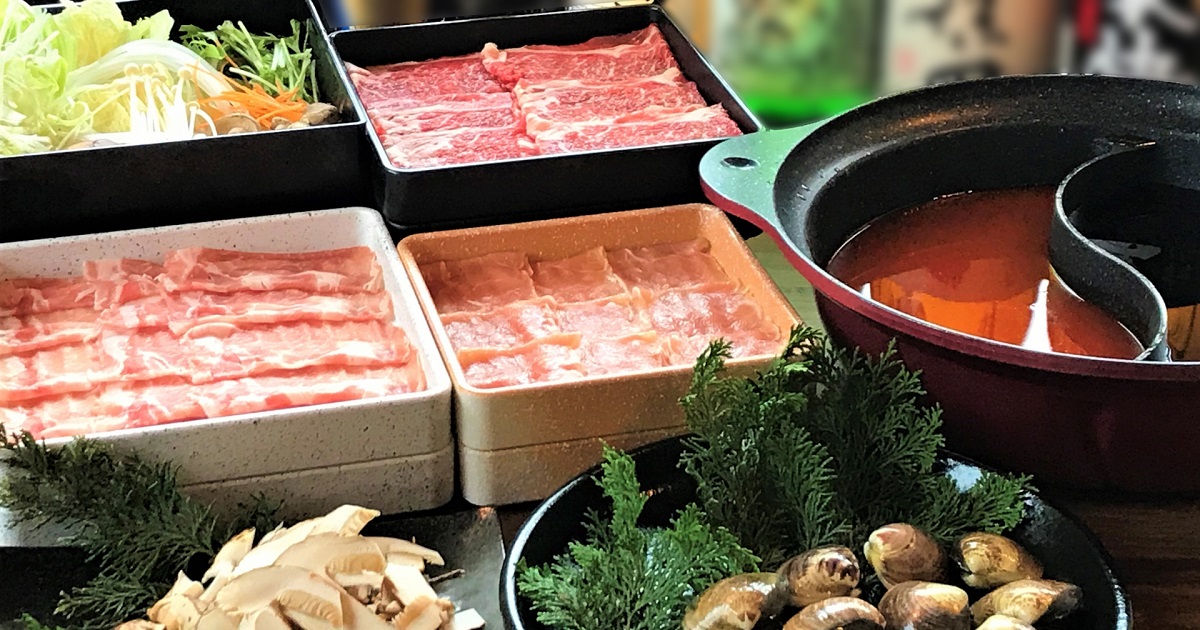
Run by the Skylark Group, Shabu-Yo was founded on a simple idea: make shabu-shabu easier and more fun. The chain delivers by letting guests personalize the pot. Each table can choose two broths—starting with a light, versatile white dashi and branching into options like a rich pork soup or a refreshing yuzu-salt stock, depending on preference and season. A broad set of dipping sauces and condiments completes the DIY canvas: the classic ponzu-soy brightness, toasted sesame depth, grated radish, chili oils, and more. The result is high interactivity and near-endless permutations, ideal for groups with mixed tastes.
Course structures are equally accommodating. Lunch offerings include, for example, a Domestic Beef course featuring nine cuts and a Kyushu Kurobuta & Beef Misuji course featuring eight cuts, both positioned to feel indulgent without the sticker shock. Pricing is deliberately family-forward: infants free, and a single, consistent price for elementary school children across all courses. On weekdays, many locations remove the clock entirely at lunchtime—time-unlimited service that has become a minor sensation for relaxed gatherings and working lunches alike. (Timing, store, and seasonal conditions apply, so checking ahead is wise.) Students also have reason to celebrate: a weekday dinner plan targets hearty appetites with a discounted, all-you-can-eat format that won’t derail a budget.
Shabu-Yo’s appeal lies in how it honors shabu-shabu’s fundamentals while democratizing the experience. The broths stay clean and bright, the vegetables are crisp, and slices are cut thin for quick cooking and consistent texture. The format rewards experimentation—pair citrusy ponzu with lean beef for snap, or go sesame-rich for pork’s natural sweetness—yet remains fast and efficient, a hallmark of Japan’s service standards.
Yuzu An: A “Japanese Indulgence” of Shabu-Shabu and Sushi
Yuzu An packages a more lux-leaning, Japanese-style feast across three course tiers, each beginning with a guaranteed crowd-pleaser: unlimited pork shabu-shabu and sushi. From there, the experience scales. The Seasonal Yuzu An Course typically folds in tempura and curated side dishes that reflect the time of year—another nod to Japan’s culinary seasonality. The Luxury Course steps up to black-haired beef shabu, “upper-tier” sushi that can include crowd favorites such as chutoro (medium-fatty tuna), uni (sea urchin), and extra-large anago (saltwater eel), plus upgraded tempura. In essence, the format blends the comfort of shabu-shabu with celebratory sushi—two pillars of Japanese dining—under a single, consumable plan.
The broth experience mirrors this thoughtfulness: guests select two stocks per pot from a base lineup plus limited-time offerings that rotate with the seasons, keeping return visits interesting. Families will find a particularly inviting set of policies: infants dine free, elementary school children are half price, and seniors (65+) receive an additional fixed-amount discount. Beyond pricing, Yuzu An leans into practical comforts—child-specific menus like a “make-your-own sushi” set that turns the meal into a playful workshop, kids’ tableware and high chairs, and full stroller access. In a country known for omotenashi—hospitality rooted in anticipating needs—these touches stand out.
Why Tabehodai Works in Japan Right Now
Japan’s all-you-can-eat scene thrives for structural reasons. First, quality control: centralized sourcing and standardized prep meet stringent food safety expectations, ensuring consistent cuts and freshness. Second, seasonality: limited-time broths, side dishes, and specialty cuts refresh menus without wholesale overhauls. Third, ordering tech: tablets and digital workflows streamline service, minimize waste, and keep food moving quickly, preserving heat and texture—the difference between “good buffet” and “great tabehodai.” And finally, value clarity: time windows, course differences, and child/senior policies are clearly posted, so guests can make informed choices without surprises.
These chains also understand demographics. Families benefit from free or discounted children’s pricing and stroller-friendly spaces. Students gain budget-friendly dinner plans and, in many locations, no time limits at weekday lunches—ideal for long catch-ups or study breaks. Seniors get straightforward discounts and calmer, off-peak windows. Put together, the model is inclusive without diluting standards, a point of pride for Japanese operators focused on repeat business and word of mouth.
How to Get the Most Out of Your Visit
To maximize value, book ahead during peak hours or weekends; these chains are popular and fill quickly. Clarify time limits when you’re seated—100 minutes is common at yakiniku concepts, while many Shabu-Yo weekday lunches are time-unlimited subject to store policy. Pace your ordering to reduce waste and keep the table clear for hot items; at grill and shabu shops, cooking capacity is finite, so smaller waves of orders often yield better results. If you have dietary restrictions or allergies, consult menus online in advance—Japanese chains tend to provide transparent labeling. And embrace seasonality: limited-time broths and sides are not just marketing—they reflect the national palate’s rhythm and can reshape a familiar meal into something new.
So, Which Chain Wins?
All three deliver on flavor and cost performance in ways that feel unmistakably Japanese: precise, courteous, and seasonal. Yakiniku King is a carnivore’s stage with upgraded signatures that reward a focused appetite. Shabu-Yo is customization-first, a canvas of broths and condiments that makes group dining effortless and fun, with standout student and weekday lunch policies. Yuzu An is the refined crowd-pleaser, marrying shabu-shabu’s warmth with sushi’s celebratory flair and family-forward service that makes dining with kids not just manageable but genuinely enjoyable. Japan’s tabehodai sector extends well beyond meat—with dessert buffets, hotpot specialists, and global-spanning spreads also in the mix—but these three demonstrate the category at its best: great food, fair rules, and hospitality that turns abundance into an experience. Which chain’s all-you-can-eat menu is most attractive to you?