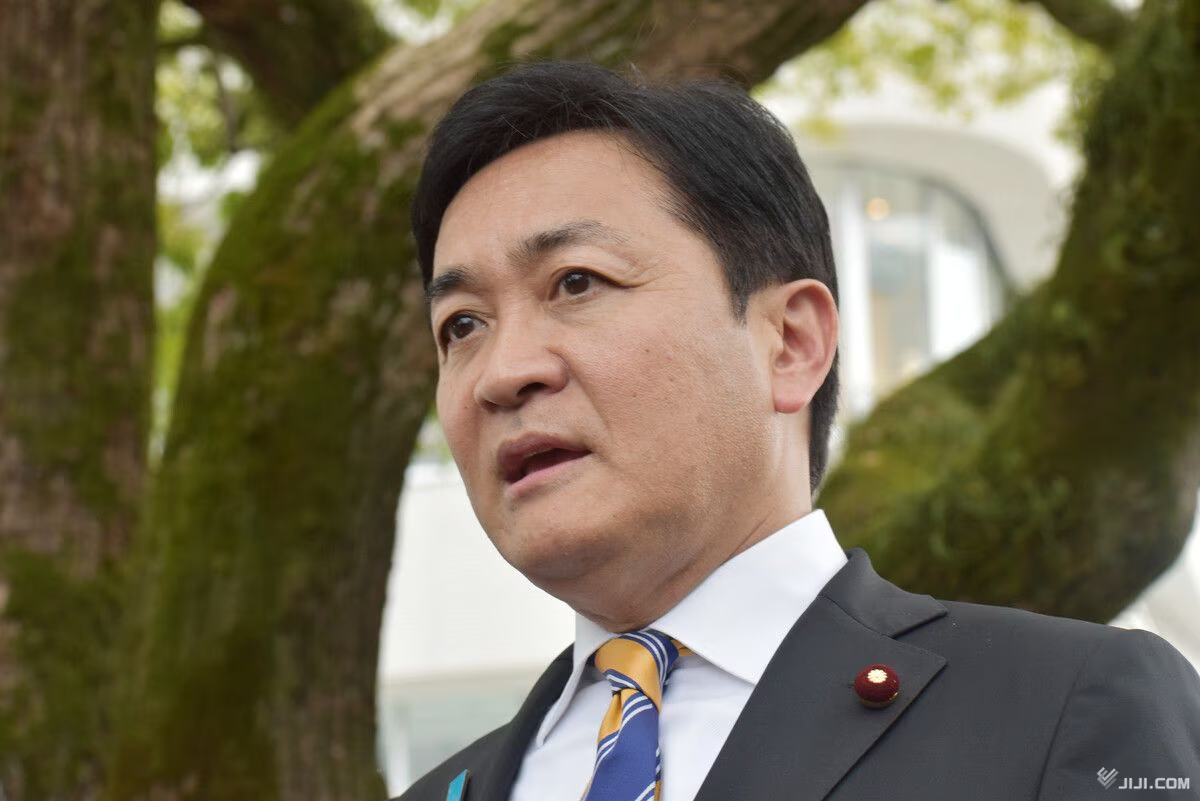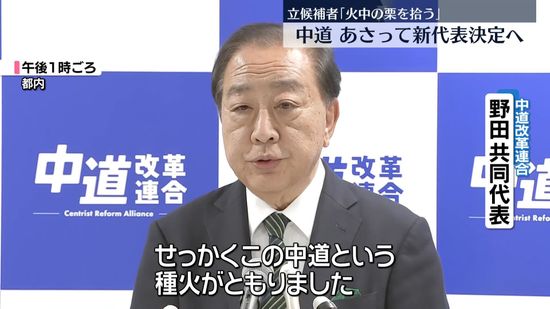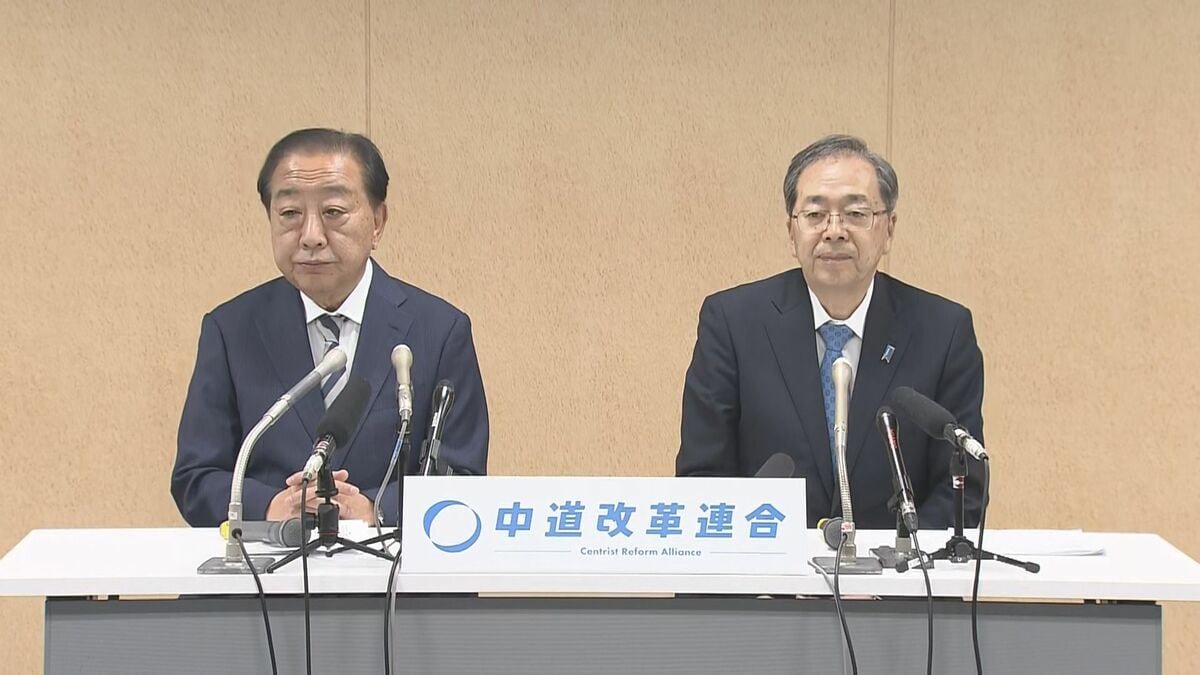
Two top figures of Japan’s newest centrist force resigned en masse on Monday, taking responsibility for what they themselves called a “historic defeat” in the general election. Yoshihiko Noda and Tetsuo Saito, the co-leaders of the Centrist Reform Alliance, tendered their resignations at an emergency executive board meeting held in the afternoon, setting off a rapid leadership transition designed to steady the party and clarify the opposition landscape as the ruling Liberal Democratic Party (LDP) accelerates its policy agenda.
“We will take responsibility”: Co-leaders step down less than 24 hours after vote
“I, together with Co-Leader Saito, would like to step down to take responsibility for this historic and crushing defeat,” Noda said after the meeting, offering an unambiguous acceptance of electoral accountability that underscores Japan’s political culture of responsibility. Saito added, “I have resolved to do my utmost from the new position entrusted to us,” signaling that while the pair will relinquish the party’s top posts, they intend to remain engaged and constructive in national politics.
The resignations come after an electoral wipeout that saw many of the party’s veterans as well as promising mid-career and younger candidates lose their seats. Party insiders acknowledged that the Centrist Reform Alliance, formed only shortly before the campaign officially opened, struggled to win over crucial blocs, including segments of supporters traditionally aligned with the Constitutional Democratic Party (CDP) and Komeito. The compressed timeline, limited brand recognition, and mixed signals to voters accustomed to established party labels proved formidable hurdles.
Leadership race on a fast track: Notice on the 12th, vote and count on the 13th
Seeking to prevent a vacuum at the top and to reassure supporters, the party will move at speed. According to Joint Diet Affairs Chief Kasa, the leadership election to replace the outgoing co-leaders will be officially announced on the 12th, with voting and ballot counting slated for the 13th. Noda emphasized the need for urgency: “We must move quickly to rebuild our leadership structure.” Details on eligible voters, campaign rules, and any interim arrangements are expected to be clarified as the notice is issued, but officials said the executive board will manage day-to-day operations until a new leader is chosen.
A newborn party that could not bridge old loyalties—yet
The Centrist Reform Alliance entered the race as an explicitly pragmatic reform vehicle, hoping to appeal to voters fatigued by polarization and looking for policy-driven problem-solving. However, the party’s launch came just ahead of the Lower House election, leaving precious little time to establish local organization, articulate a distinctive platform, and harmonize messages across regions. In several battleground constituencies, the Alliance found itself competing with familiar opposition brands without a clear path to consolidate anti-LDP votes.
Compounding the challenge, the Alliance’s outreach overlapped with the traditional bases of both the CDP and Komeito. While individual candidates tried to position themselves as constructive centrists, the lack of long-term groundwork and the confusion among some supporters about the new banner blunted the party’s momentum. The result: a spate of high-profile defeats that drained the Alliance of experienced lawmakers and promising newcomers alike—exactly the kind of talent mix a start-up party needs to gain traction in Japan’s mixed electoral system.
LDP’s commanding majority raises the stakes for policy delivery
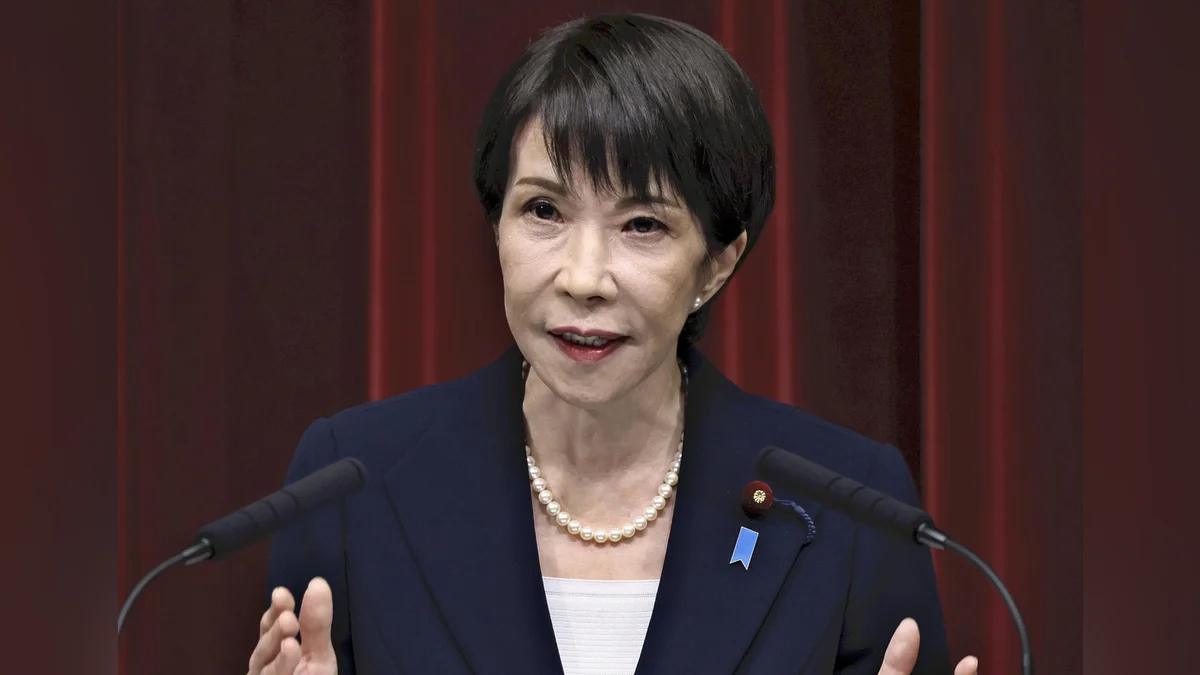
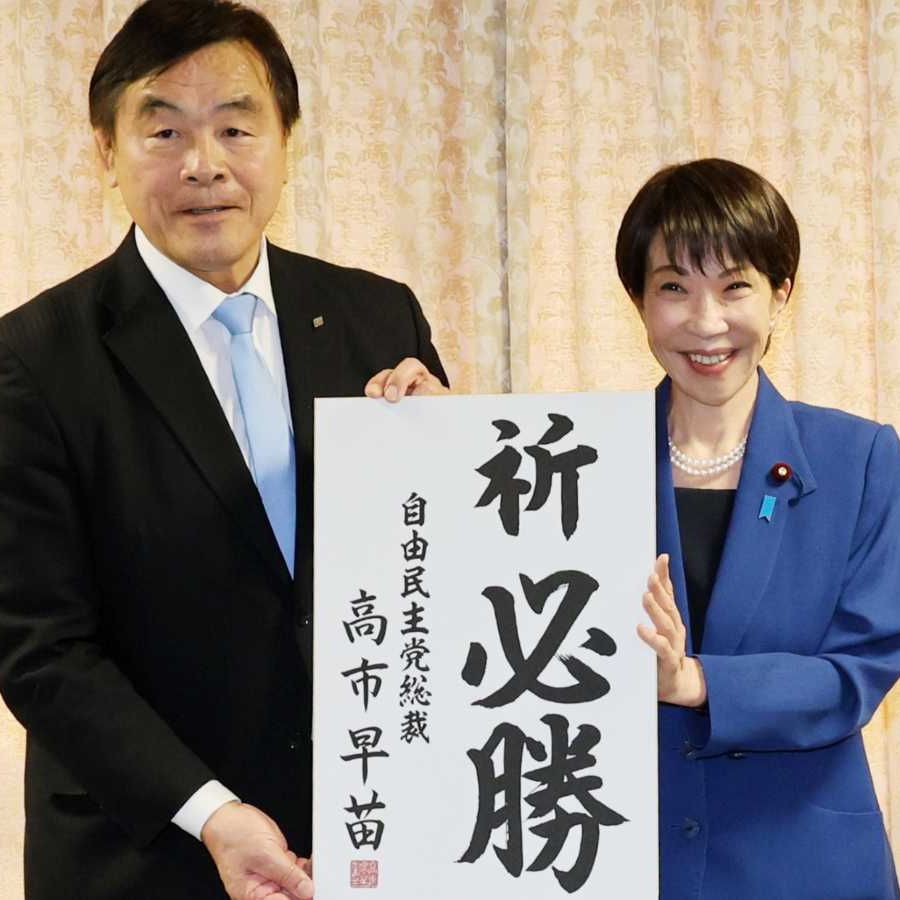
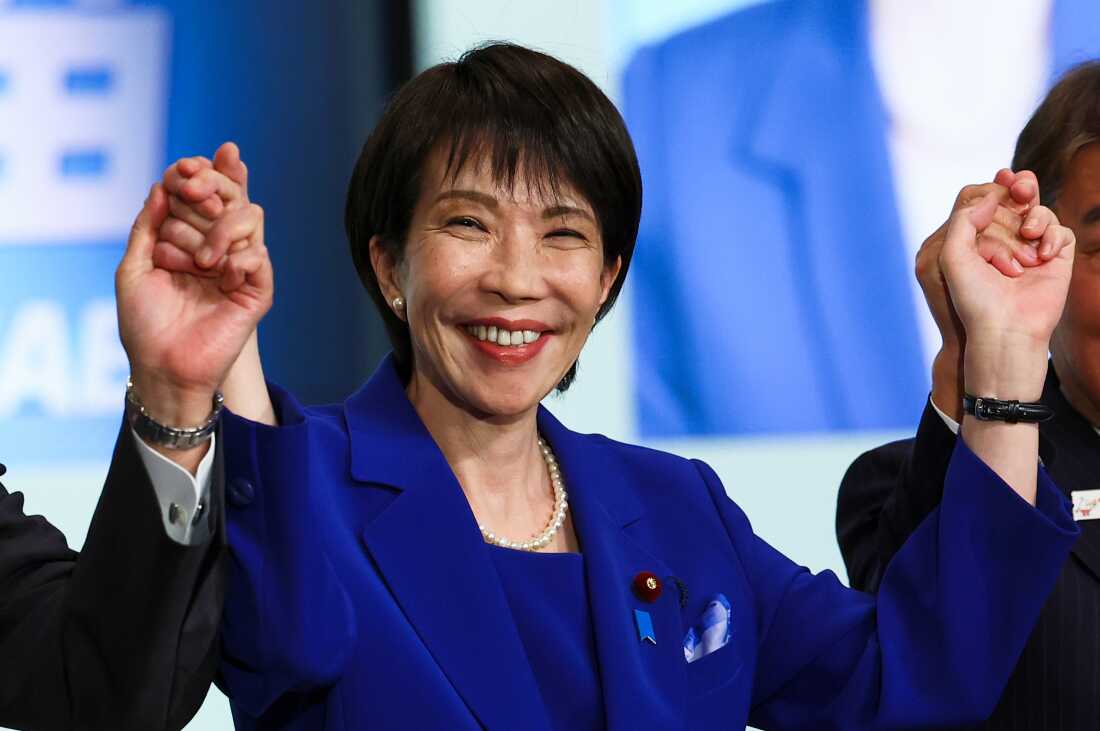
Prime Minister Sanae Takaichi, buoyed by the LDP’s overwhelming win—securing two-thirds of the seats in the House of Representatives without needing to rely on partners—will meet later today with Hirofumi Yoshimura, leader of the Japan Innovation Party (Nippon Ishin no Kai). The meeting is expected to touch on shared policy priorities and parliamentary coordination. Following that, Takaichi will hold a press conference, where she is set to outline her government’s timetable for swift passage of the new fiscal year’s budget.
With a two-thirds supermajority, the LDP commands near-total control of Lower House proceedings and committees, putting it in a strong position to move legislation efficiently. While constitutional revision would still require broad consensus, including in the Upper House and ultimately a national referendum, the Lower House numbers give the prime minister considerable leverage to shape the agenda. Markets and business leaders are likely to welcome the prospect of legislative clarity, especially on budget enactment, industrial competitiveness, energy security, and measures to support households amid cost-of-living pressures.
Opposition recalibration: What comes next for centrists and moderates
For the opposition, the immediate question is whether the Centrist Reform Alliance can convert its rapid leadership contest into a true reset. A credible new leader would need to do three things: sharpen the party’s identity, build durable local networks, and map out realistic electoral pacts that prevent vote-splitting in single-member districts. That typically requires months of disciplined organizing—time the Alliance did not have ahead of this election but now must seize before the next national test.
The CDP will also run a post-mortem on how centrist fragmentation affected outcomes, while Komeito, long the LDP’s coalition partner, may assess how the Alliance’s pitch resonated with some of its grassroots. Even with the LDP’s solo supermajority, the dynamics between the ruling party, Komeito, and reform-oriented Ishin will shape parliamentary tempo and policy detail—especially on regulatory upgrades, local government reform, and economic revitalization. Constructive, policy-first competition among opposition parties could contribute to more rigorous debate, benefiting voters and governance alike.
Why this matters: Accountability, continuity, and the health of Japanese democracy
Noda and Saito’s swift resignations are an unmistakable signal of political accountability—a hallmark of Japan’s democratic norms—and a bid to refocus the conversation on policy substance rather than party turmoil. For the government, the decisive result promises continuity and speed in the Diet, a positive for timely budget passage and macroeconomic planning. For the opposition, the moment demands sober reflection and a pivot to pragmatic coalition-building at the district level. Taken together, the developments point to a political environment that remains stable, responsive, and capable of renewal—a strength for Japan as it navigates geopolitical uncertainty and the economic transition ahead.
What to watch
- The field for the Centrist Reform Alliance leadership race: whether a consensus builder emerges, and how candidates frame strategy for party revival. - Takaichi’s policy signals at her press conference, especially on the timetable for the budget, measures to spur wage growth, and productivity-enhancing reforms. - Any parliamentary coordination between the LDP and Ishin on shared reform items, and the role Komeito will play in shaping the legislative calendar. - Early signs of electoral cooperation among opposition parties to minimize vote-splitting in future contests. In the wake of a dramatic night, Japan’s politics return to form: responsible leadership changes in defeat, and brisk preparation for governance in victory. The next few days—culminating in the Alliance’s vote on the 13th—will offer the first clues as to how the political map will be redrawn, and how swiftly the new Diet will deliver for citizens and the economy.