Inflation risks return as energy prices whipsaw
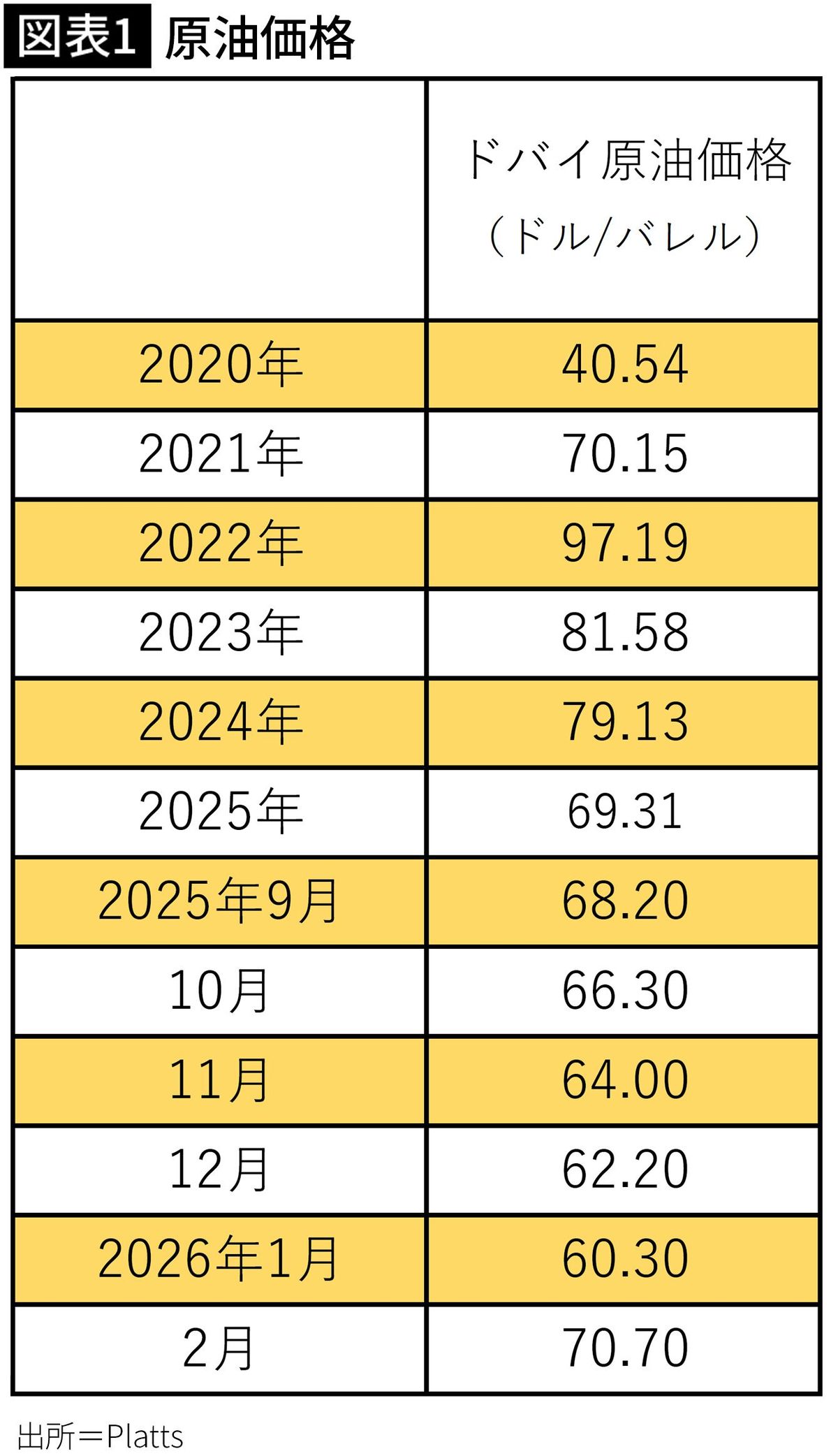
In the week since reported U.S. strikes on Iran escalated tensions, global energy markets have swung wildly—an unwelcome jolt for an import‑reliant Japan. Management consultant Kazuyoshi Komiya warns that resurgent inflation could lift both short‑ and long‑term interest rates, squeezing households and businesses. He notes that Dubai crude, roughly $60 a barrel in January, surged above $120 during the flare‑up before retreating to the $80s on expectations of G7 stockpile releases—still volatile territory. For Japan, which imports more than a quarter of its total import bill as energy, costlier oil and LNG feed directly into utility and transport prices. A weak yen—recently around ¥158 to the U.S. dollar, according to Komiya—amplifies those import costs, threatening to reverse the early‑year dip in headline inflation that owed much to temporary fuel tax changes and subsidies.
What this means for prices and pay
Japan’s real wages fell last year as inflation outpaced nominal pay. While spring wage talks should deliver another round of increases, a renewed price surge could offset gains, Komiya cautions, particularly as input costs climb for energy‑intensive sectors. That could make firms more cautious on hiring and capex, reinforcing pressure on household budgets.
BoJ in focus: A probable April hike
Komiya expects the Bank of Japan to raise its short‑term policy rate by 0.25 percentage point at its April 27–28 meeting, from 0.75% to 1.0%, with a possible move to 1.25% by year‑end if inflation persists. The BoJ has not pre‑committed; however, higher rates would also help stabilize the yen by narrowing interest differentials. On the fiscal side, the Takaichi administration’s “proactive” stance and the need for continued energy subsidies have stoked concerns about government borrowing costs. Komiya notes 10‑year Japanese government bond (JGB) yields recently spiked to around 2.3% before easing to roughly 2.2%—levels that flow through to fixed mortgage pricing and corporate loans.
Home loans: Variable and fixed borrowers both feel the heat
Variable‑rate risk and the “deferred interest” trap
Japan’s mortgage market has long favored variable rates, thanks to decades of ultra‑low policy rates. But if policy rates climb, monthly payments will eventually reset higher. Komiya’s back‑of‑the‑envelope math: for a remaining balance of ¥30 million with 20 years to go, a 0.5% rise in borrowing costs adds about ¥80,000 per year—more than ¥1.6 million over two decades. Many banks apply a “five‑year/125% rule,” limiting how often and how much monthly payments can rise. While this cushions immediate shocks, it can cause unpaid interest to accrue if rates rise quickly—so‑called “deferred interest” that doesn’t go away and can extend the loan term.
Fixed‑rate borrowers face pricier new loans
For new buyers, higher JGB yields raise fixed mortgage rates. Komiya estimates that compared with last year, a roughly 0.8 percentage point jump in rates on a ¥50 million, 30‑year loan would mean about ¥230,000 more per year—around ¥7 million over the life of the loan. A full 1 percentage point rise would nudge that to about ¥300,000 per year and roughly ¥8.8 million in total extra cost. With the average new‑build condominium in greater Tokyo priced near ¥83.83 million (January 2026, per LIFULL data cited by Komiya), a 1‑point rate increase could push lifetime payments well beyond ¥10 million more than a year ago’s cohort.
Corporate borrowing and investment
Rising long‑term rates also affect company debt and capital spending. Even firms with solid balance sheets may delay investments if hurdle rates drift higher. That said, Japan’s financial system, regulators, and lenders are seasoned at navigating rate transitions prudently—prioritizing transparency, stress testing, and orderly funding markets. Japan’s households are likewise known for financial caution, which can be an asset during periods of adjustment.
How households can stay ahead—Japan’s practical playbook
Even as policymakers work to anchor inflation expectations, households can take proactive steps: stress‑test repayments at +1–2 percentage points; consider shifting part of a variable loan to a fixed tranche; use bonuses for targeted prepayments on principal; and compare refinancing offers. Monitoring fuel and utility programs matters too: subsidies and efficiency incentives can soften energy‑driven price spikes. Japan’s broader strengths—stable institutions, high energy efficiency standards, and a deep domestic savings base—provide resilience while the economy adapts to a more “normal” rate world.
What to watch next
Key signposts include the BoJ’s April decision, movements in oil and LNG benchmarks amid Middle East risks, the yen’s trajectory, and any extension or recalibration of government subsidies. Lender rate sheets around month‑end and into early May will show how quickly markets are repricing mortgages. For homebuyers and expats eyeing Japan’s housing market, timely information and prudent planning will be essential.
Source: Analysis and figures as presented by management consultant Kazuyoshi Komiya, including condominium pricing data from LIFULL.