Japan confronts a record—and asks deeper questions
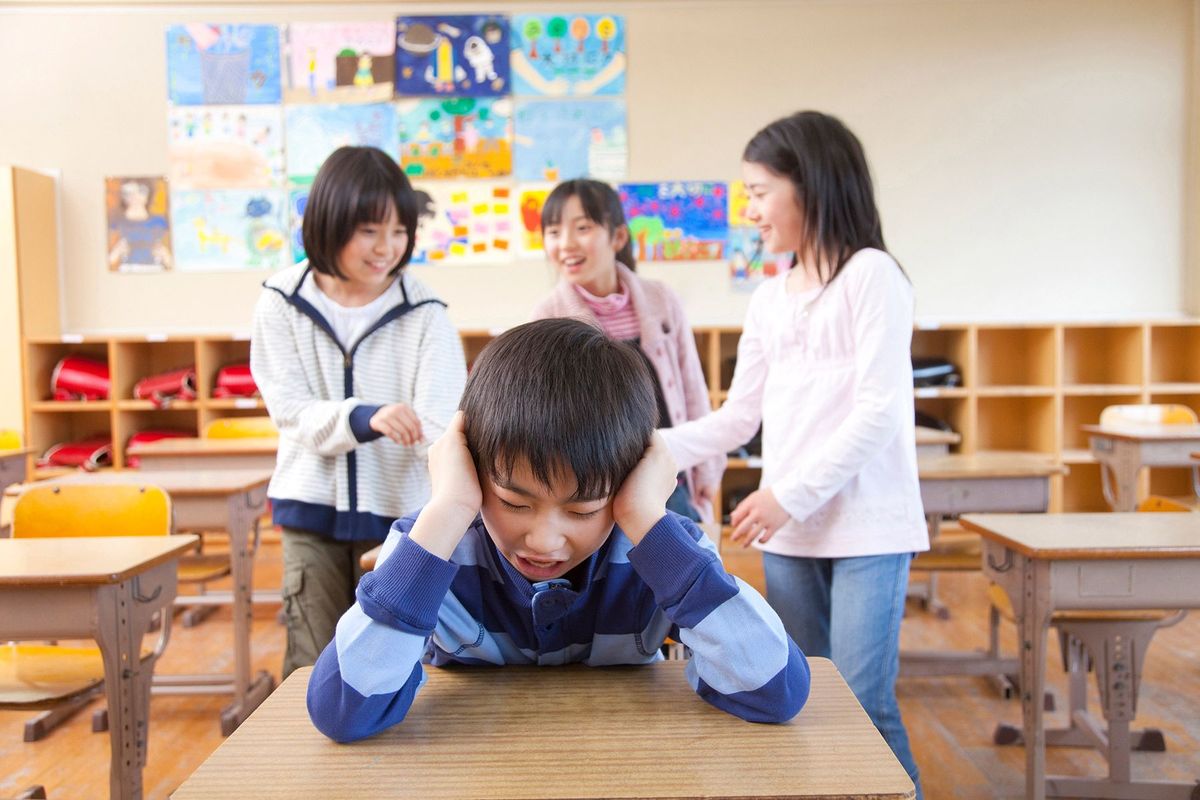
Japan’s Ministry of Education, Culture, Sports, Science and Technology (MEXT) reports a record-high 770,000 bullying incidents identified across elementary, junior high and high schools in fiscal 2024—an unprecedented figure that underscores both the scale of the challenge and the country’s increasingly thorough reporting. While the number is stark, specialists say it opens the door to more nuanced, science-based responses. One of Japan’s most prominent brain physicians, Dr. Toshinori Kato, argues that the roots of bullying behavior are often intertwined with the developing brain—and that family climate can either erode or strengthen a child’s “survival skills” for school life.
What the research suggests
Dr. Kato, a neurologist who has examined extensive MRI brain data across ages from infancy to older adulthood, says it is crucial to view both bullies and victims as individuals shaped by unique development histories—rather than as abstract labels. Early caregiving, the tone of family conversations and the emotional bonds within a household, he argues, can leave discernible traces in how a child’s brain functions. International findings support this direction: research published in Biol Psychiatry: Cognitive Neuroscience and Neuroimaging (2023) links a family history of depression with dampened reward responses in the brain’s basal ganglia among children around age nine to ten. Meanwhile, a 2023 Journal of Neuroscience study reports that when parent–child emotional network activity is more similar—especially in cohesive families—young people tend to show better emotional regulation, including lower anxiety and stronger resilience.
Right brain, left brain—and a child’s “survival skills”
Drawing on years of MRI observations, Dr. Kato frames the right and left hemispheres as complementary forces: the right as an “environment brain” that absorbs nonverbal cues from surroundings, and the left as a “self brain” that helps articulate and regulate one’s inner world through language. When these systems are immature or out of balance, he argues, children may struggle to process social stressors, potentially tipping into patterns that look like bullying or victimization. The amygdala and hippocampus—key structures in the temporal lobes associated with emotion, memory and learning—continue to develop well into adulthood. Kato notes that left-hemisphere emotional circuits often mature slowly, and without sufficient right-hemisphere development, this maturation may lag further. In some children, pronounced left–right differences in emotional regions may correlate with traits like high sensitivity. Conversely, underdevelopment on both sides can be associated with social discomfort, such as difficulty meeting others’ gaze.
Family climate: the quiet force
What does this mean at home? Kato emphasizes that the emotional tone of everyday life matters. Children who regularly hear negative language in the morning, then head straight to school, may arrive with depleted resilience. Over time, consistently positive memories—feeling supported by parents, grandparents and relatives—can become a calming “anchor” for the brain when stress spikes. He cautions that this is not about blame; rather, it is about recognizing that family cohesion and predictable warmth can help balance the “environment” and “self” systems, supporting a child’s emotional regulation and reducing the impulse or opportunity to bully.
Japan’s policy context—and why reporting matters
Japan is tackling bullying with a comprehensive approach. The 2013 Act for the Promotion of Measures to Prevent Bullying mandates swift intervention, while schools have expanded counselor access and crisis protocols. MEXT’s broad definition of “ijime” now includes verbal, physical and online harassment, encouraging schools to document even lower-level incidents—a transparency that likely elevates reported numbers but enables earlier support. This clarity is a strength: by capturing the full picture, Japan equips educators and families to intervene before patterns harden.
For international families in Japan
Foreign parents navigating Japan’s school system should know that collaboration is the norm. Homeroom teachers, school nurses (yogo teachers) and counselors form the first line of support, and many boards of education offer consultation windows—with interpretation increasingly available in larger cities. If concerns arise, request a meeting early, ask for bilingual notes and clarify next steps. Municipal multicultural centers can help bridge language gaps. Japan’s commitment to safe learning environments means parents are partners: schools welcome detailed observations about mood changes, friendship dynamics or online issues that may not surface in class.
What to watch next
As neuroscience informs education policy, expect to see more social–emotional learning, teacher training on brain-based stress responses and family-engagement programs that emphasize cohesion and predictable routines. The big takeaway from Kato’s perspective is hopeful: the brain remains adaptable. By cultivating steady, positive family climates—and by continuing Japan’s push for early identification and support—the country can turn record reporting into record resilience.
Note: This article includes insights adapted from Dr. Toshinori Kato’s book “Ijime Brain: What Neuroscience Reveals About the Mechanisms and Responses” (SB Shinsho), alongside references to recent international studies cited in that work.