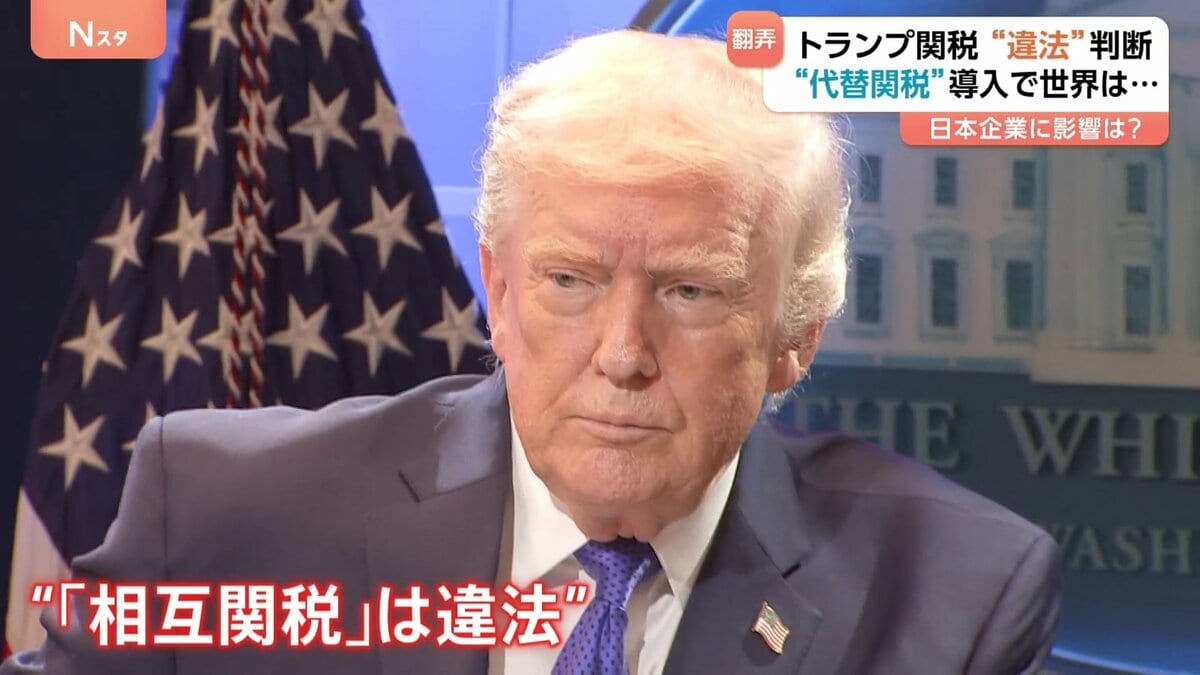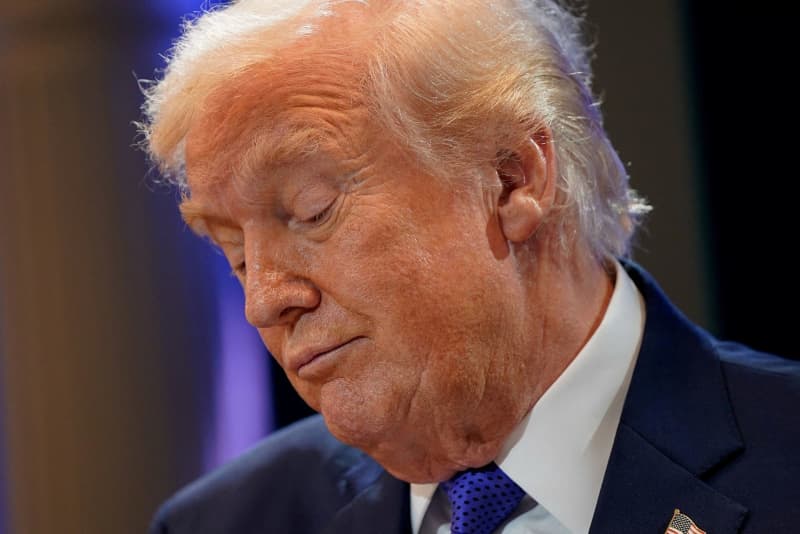
Washington—The U.S. Supreme Court on the 20th ruled that the Trump administration’s “reciprocal tariffs” and related measures lacked legal basis under the International Emergency Economic Powers Act (IEEPA), determining that the law does not grant a president authority to impose tariffs. In a swift response, President Donald Trump moved to preserve a hardline trade stance by signing a proclamation to enact a 10% additional tariff on imports from all countries under Section 122 of the U.S. Trade Act, effective from 00:01 on the 24th for a period of 150 days. A White House official told Kyodo News that the previously planned 15% reciprocal tariff on Japan will not proceed; instead, Japan—along with the European Union and India—will face the new 10% surcharge. The administration will halt collection of the reciprocal tariffs immediately.
What the ruling changes—and what it doesn’t
The Supreme Court’s decision narrows how the executive branch can deploy emergency economic powers, a notable rebuke to expansive tariff initiatives premised on IEEPA. Yet the pivot to Section 122 underscores Washington’s enduring appetite, at least for now, for import surcharges as a policy tool. Section 122 allows the president, on a short-term basis, to apply across-the-board import measures, typically tied to balance-of-payments considerations. The White House indicated that certain categories—including automobiles and select agricultural products such as beef—will be excluded from the 10% surcharge, softening the immediate shock for major trading partners.
Impact for Japan: relief, then recalibration
For Japan, removal of the 15% reciprocal tariff averts a sharper hit to exporters and U.S.-based consumers of Japanese goods. The exclusion of automobiles is particularly significant: autos and auto parts are among Japan’s largest exports to the United States, and shielding them from the surcharge reduces potential disruption to a supply chain closely intertwined with American manufacturing and retail. Likewise, the carve-out for certain agricultural products eases pressure on select high-value Japanese food exporters. Still, a 10% surcharge applied broadly to other categories could raise costs on Japanese electronics, machinery, precision instruments, and consumer goods shipped to the U.S. market.
Short timeline, potential customs friction
Because the changeover arrives quickly—beginning one minute after midnight on the 24th—trade professionals are bracing for administrative confusion. Importers and logistics teams may need to update tariff codes, reprice contracts, and coordinate with customs brokers to ensure correct assessment under the new rule, while monitoring U.S. Federal Register notices for detailed guidance. The White House acknowledged that the short window could create “confusion,” but emphasized the administration’s intent to maintain a firm tariff stance following the court ruling. President Trump said he was “deeply disappointed” by the decision yet reiterated his determination to press ahead.
What to watch next
Japanese businesses with U.S. exposure will weigh whether to adjust shipment timing ahead of assessments, hedge currency risk amid tariff-related volatility, and revisit pricing strategies for the American market. The Ministry of Economy, Trade and Industry (METI) and Japanese industry groups are expected to seek clarity on implementation specifics and potential product-level exclusions beyond autos and select agriculture. For American consumers, the new duties could translate into higher shelf prices for certain imported goods—though autos and beef exemptions help contain the immediate effect in two politically sensitive categories.
Broader context for Japan-focused readers
The United States remains one of Japan’s most important export destinations, underpinning jobs and investment across manufacturing hubs from Aichi to Kyushu. Japanese firms have a track record of adapting swiftly to trade shifts—reconfiguring supply chains, increasing North American production where feasible, and leveraging quality and efficiency to stay competitive. While a 10% surcharge is an unwelcome headwind, the removal of a steeper 15% reciprocal tariff and the shielding of autos suggest a more manageable near-term landscape. Over the 150-day window, companies and policymakers will look for signals on whether Washington extends, narrows, or winds down the surcharge—and how that aligns with broader U.S.-Japan economic cooperation.