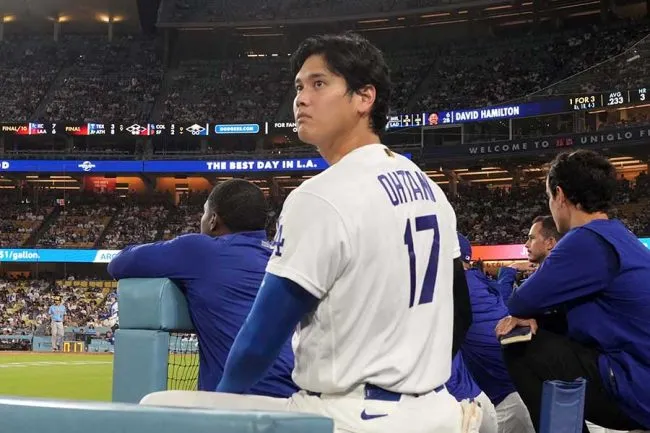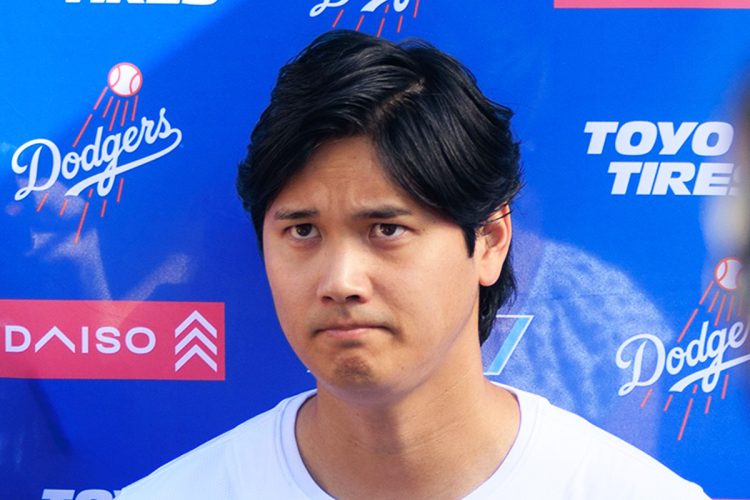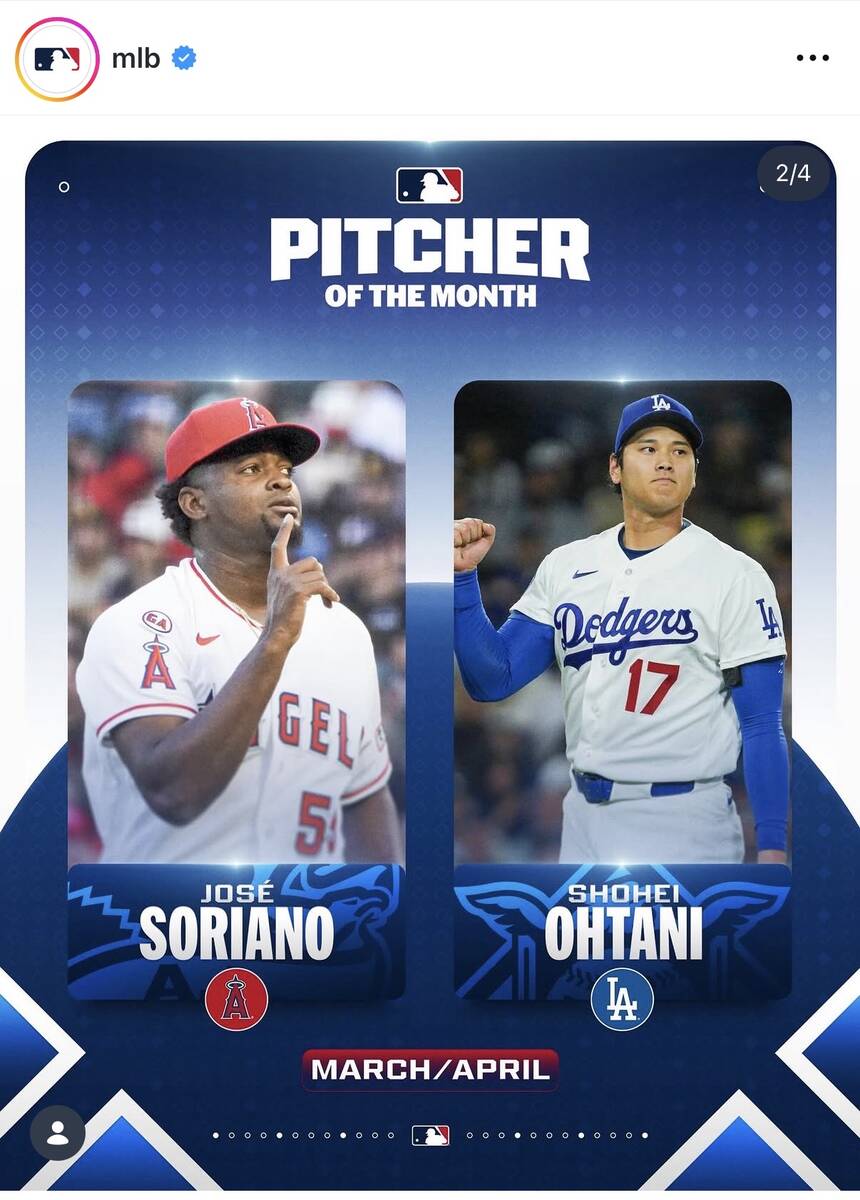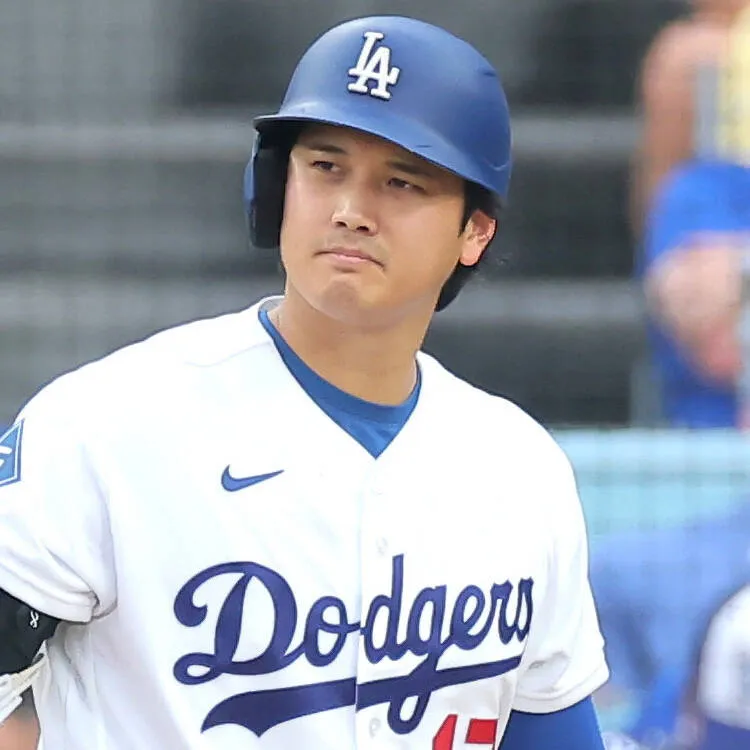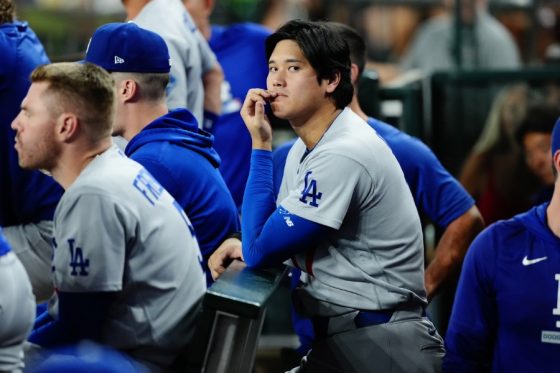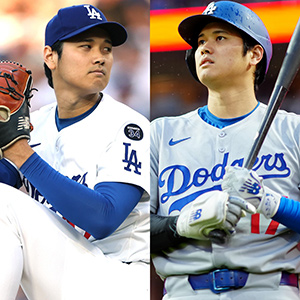
Shohei Ohtani’s numbers on the field have long been arresting. Now, his numbers online tell a story of their own. The Los Angeles Dodgers two-way phenomenon has surpassed 10 million followers on Instagram—reportedly becoming the first Japanese man to cross that threshold—and a glance at his follower list reads like a red carpet of global sport and celebrity. From NFL legend Tom Brady to football icons David Beckham, Sergio Ramos, and James Rodríguez, Ohtani’s audience is as international as it is star-studded—an emphatic sign that his appeal now extends far beyond baseball’s traditional borders.
Global names in his corner
The presence of Brady, the seven-time Super Bowl winner and a figure synonymous with American sporting supremacy, underscores Ohtani’s cross-sport magnetism in the United States. Brady has not only followed Ohtani but also interacted with his posts, an unmistakable nod from an athlete who knows a thing or two about sustained excellence. Yet the intrigue lies even more in Europe and South America—regions where baseball typically sits behind football in the cultural pecking order. There, household names like Beckham, Ramos, and Rodríguez quietly populate Ohtani’s follower list, a telling sign that word of his feats has traversed languages and time zones.
Beckham, a globally recognized former England captain and a pop-culture presence in his own right, offered a particularly conspicuous endorsement. When Ohtani posted about winning the world title with the Dodgers this season, Beckham dropped into the comments with three blue hearts—mirroring Dodgers blue—and a trophy emoji. It was the kind of blink-and-you-miss-it cameo that sent Ohtani watchers into a frenzy: a football icon saluting a baseball superstar on a stage where both command vast global audiences. That a Japanese player elicited this visible handshake from a European football aristocrat has become a talking point in its own right.
“More famous than we realize”
Online in Japan, Ohtani’s celebrity connections triggered an immediate reaction. Comment threads filled with a mix of disbelief and pride: “I never imagined a Japanese baseball player would be followed by David Beckham,” one user wrote. Another remarked, “Ohtani’s name recognition is on a different level,” while others suggested that the Japanese public might be underestimating his fame abroad. Some commenters concluded that baseball itself may be more recognized globally than many in Japan assume; others argued that Ohtani has simply transcended the sport, becoming a universal figure whose story—discipline, humility, and dominance—translates anywhere.
On-field dominance powering online clout
The draw is rooted in performance. This season, Ohtani hit .282 with 55 home runs and 102 RBIs, while also making 14 starts on the mound, going 1-1 with a 2.87 ERA. In October, he captured MVP honors in the National League Championship Series and helped deliver a world title to Los Angeles—cementing a campaign that reinforced his “once-in-a-century” billing. The two-way feat, nearly mythical at the highest professional level, invites comparisons to the sport’s earliest days rather than its modern era. For outsiders new to baseball, the concept is disarmingly simple and utterly compelling: one man doing the work of two elite athletes. For insiders, it is nothing less than a historic recalibration of what is possible on a diamond.
From WBC to worldwide
Ohtani’s rise into broader public consciousness did not begin this year. His star turn at the 2023 World Baseball Classic—culminating in a title for Japan and an iconic showdown with Mike Trout—serves as a pivotal chapter in his global narrative. That tournament, carried by streaming highlights and social media clips, offered a ready-made introduction to casual fans in Europe and South America who rarely encounter baseball live. Since then, every towering home run and cross-body slider has added to a global highlight reel designed for the scroll era.
Why the world is watching
There are clear reasons why Ohtani resonates across borders and sports. First, he plays for the Dodgers, a club with a deep international brand footprint and a foothold in markets from East Asia to Latin America. Second, his public persona—polite, understated, relentlessly professional—travels well. It carries a universal appeal that feels adjacent to, not in competition with, stars in other sports. Third, the algorithms do the rest: Ohtani’s feats routinely surface on mainstream sports accounts, putting him in front of fans who might follow Neymar or Brady but have never watched nine innings of baseball.
There’s geography, too. MLB’s recent push to stage regular-season games overseas, including the Seoul Series and the London Series, has created more touchpoints for casual audiences. Ohtani’s success aligns with that strategy, offering Major League Baseball a singularly marketable figure at a time when short-form clips and cross-platform virality can equal or surpass the reach of traditional broadcasts.
Baseball’s brand—and Japan’s
For Japan, Ohtani’s Instagram milestone is both a cultural and commercial signal. He represents a modern form of soft power: excellence that speaks for itself, beamed into feeds worldwide. For MLB, his global follower base is a metric investors and sponsors understand. Brands covet crossover figures, and Ohtani’s audience—large, international, and engaged—suggests he is now as valuable to global marketing strategies as he is to box scores.
In this light, it matters that his follower list isn’t just vast—it’s peer-endorsed. When an NFL icon, a former England captain, and European and South American football stars all choose to tune in, they confer legitimacy that no press release can manufacture. The message is simple: if you care about elite sport, Ohtani is worth your attention.
A star beyond any single sport
The most striking aspect of this phenomenon may be the recalibration happening back home. The comment that “Japanese people are underestimating him” speaks to a lag between domestic modesty and international awe. Baseball may not yet rival football in Europe, but Ohtani’s stardom doesn’t require the sport to be dominant. It only requires that greatness be visible, sharable, and relatable. On those counts, he is in a class of his own.
As the Dodgers savor their world title and Ohtani’s personal trophy cabinet grows, his Instagram page looks less like a ledger of likes and more like a map of modern sports culture—borderless, multilingual, and evolving at the pace of a swipe. Surpassing ten million followers is a milestone. The celebrity company he keeps there is a statement. Together, they confirm what the world seems to be telling Japan: Shohei Ohtani isn’t merely baseball’s best story. He is one of sport’s most universal ones.