A New Era for Childcare in Japan
Starting in fiscal year 2026, Japan will introduce the “Universal Nursery Access” system, a groundbreaking policy that allows children under the age of three to attend nursery schools and childcare facilities regardless of their parents’ employment status. This initiative is set to be rolled out across all municipalities nationwide.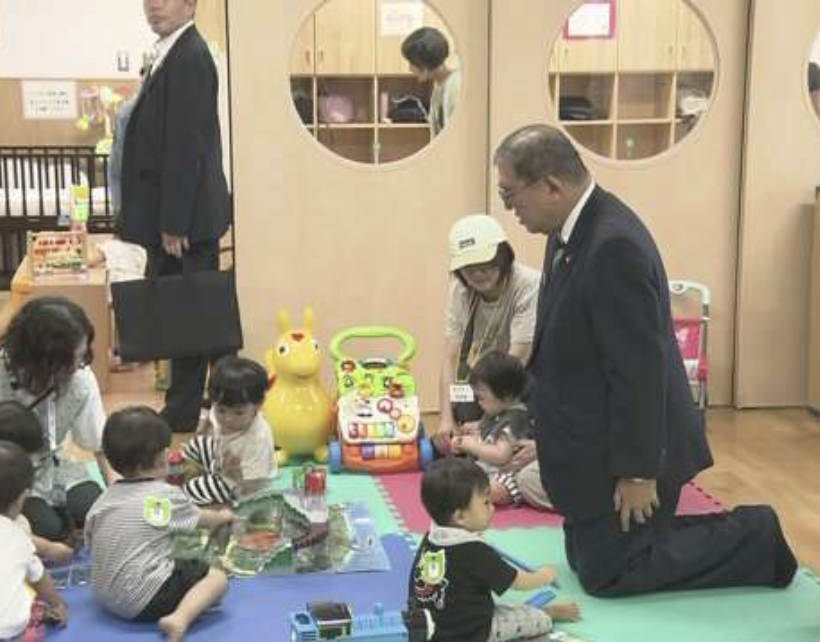
Prime Minister Ishiba’s Commitment
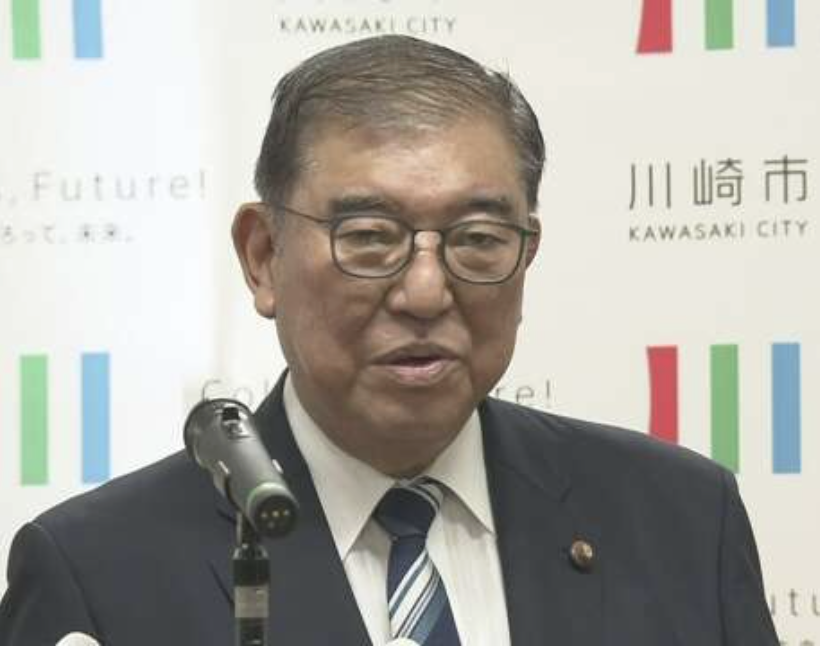
During a visit to a childcare support facility in Kawasaki City, Prime Minister Ishiba exchanged views with childcare workers and parents about the upcoming program. He emphasized that the government will take full responsibility in preparing the environment for a smooth and equitable rollout of the system.
Childcare professionals voiced concerns about the heavy responsibility of safeguarding children’s lives, stressing the urgent need for better working conditions and stronger support measures to ensure the program’s success.
Following the visit, Prime Minister Ishiba highlighted the government’s responsibility:
“It is our duty to make this system available across Japan, including in depopulated and at-risk regions. We will ensure the proper environment for a smooth introduction of the program.”
Addressing the Workforce Challenge
Mihara, Minister for Children’s Policy, echoed these concerns during a press briefing after the Cabinet meeting. She noted that securing childcare workers remains the most pressing challenge. Efforts are already underway to improve compensation, create supportive work environments, and encourage long-term retention in the field. The minister added that future policies will also strengthen re-employment support and comprehensive strategies to expand the childcare workforce.
Building a Sustainable Future for Families
The Universal Nursery Access system represents more than just expanded childcare—it is an investment in family well-being, gender equality, and regional sustainability. By ensuring access for all families, regardless of employment status, the initiative is expected to reduce barriers for parents, strengthen community ties, and provide children with early learning opportunities nationwide.