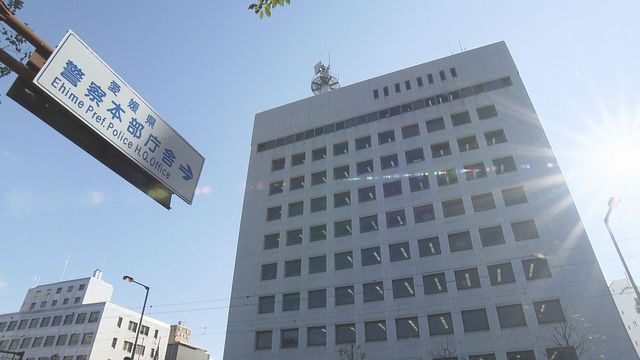
Two officers accused of breaching confidentiality as force pledges to prevent recurrence
The Ehime Prefectural Police have referred two officers—a police constable in his 20s and a male assistant inspector—to the Matsuyama District Public Prosecutors Office on suspicion of violating Japan’s Local Public Service Act after allegedly leaking information obtained in the course of their duties to acquaintances. The constable received a disciplinary pay cut of one-tenth of his monthly salary for one month, while the assistant inspector was issued a formal warning by the prefectural police chief late last month. No arrests were made in either case, and prosecutors will now decide whether to file charges.
Alleged leak at a restaurant triggered by casual conversation
According to the Prefectural Police’s Inspection Office, the younger officer, assigned to a police station within Ehime, disclosed information about a male individual in late July. The details, which he learned during a field response and via internal police radio communications relayed by colleagues, were allegedly shared with two acquaintances while the officer was at a restaurant. The police did not specify the nature of the information or the ongoing status of any related case, citing privacy and investigative considerations.
The incident came to light in late August when the man whose details were allegedly disclosed lodged a complaint with the police. Following an internal inquiry, the force imposed a disciplinary pay cut and referred the case to prosecutors on suspicion of violating the Local Public Service Act’s duty-of-confidentiality provisions. In interviews with internal investigators, the constable reportedly said, “I thought it would be okay to talk about this much,” an admission that underscores how offhand remarks—even in informal social settings—can cross strict legal and ethical boundaries for public servants in Japan.
Second officer warned and referred for similar breach
Separately, the Prefectural Police said a male assistant inspector, also assigned to a police station in the prefecture, disclosed information obtained through his official duties to an acquaintance in mid-August. The officer was given a formal warning by the prefectural police chief on September 24, an administrative measure known locally as a “headquarters caution.” He too has been referred to the Matsuyama District Public Prosecutors Office on suspicion of violating the same law. The force did not disclose whether the two incidents were connected, and it declined to provide names, citing personnel and privacy rules.
Official apology and promise of remedial steps
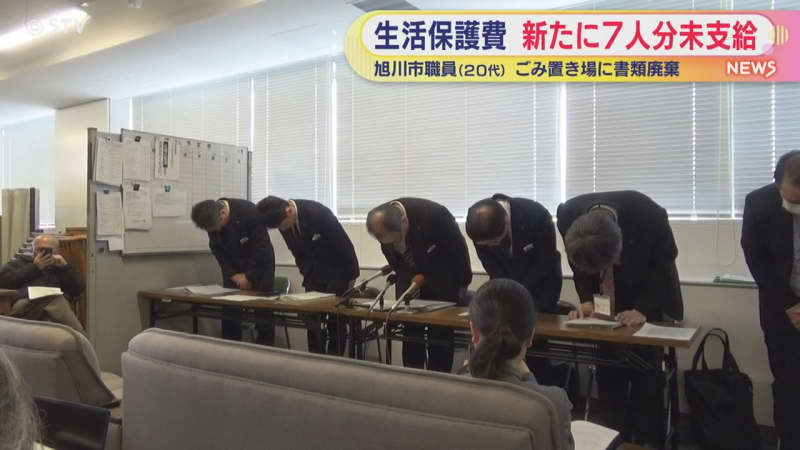
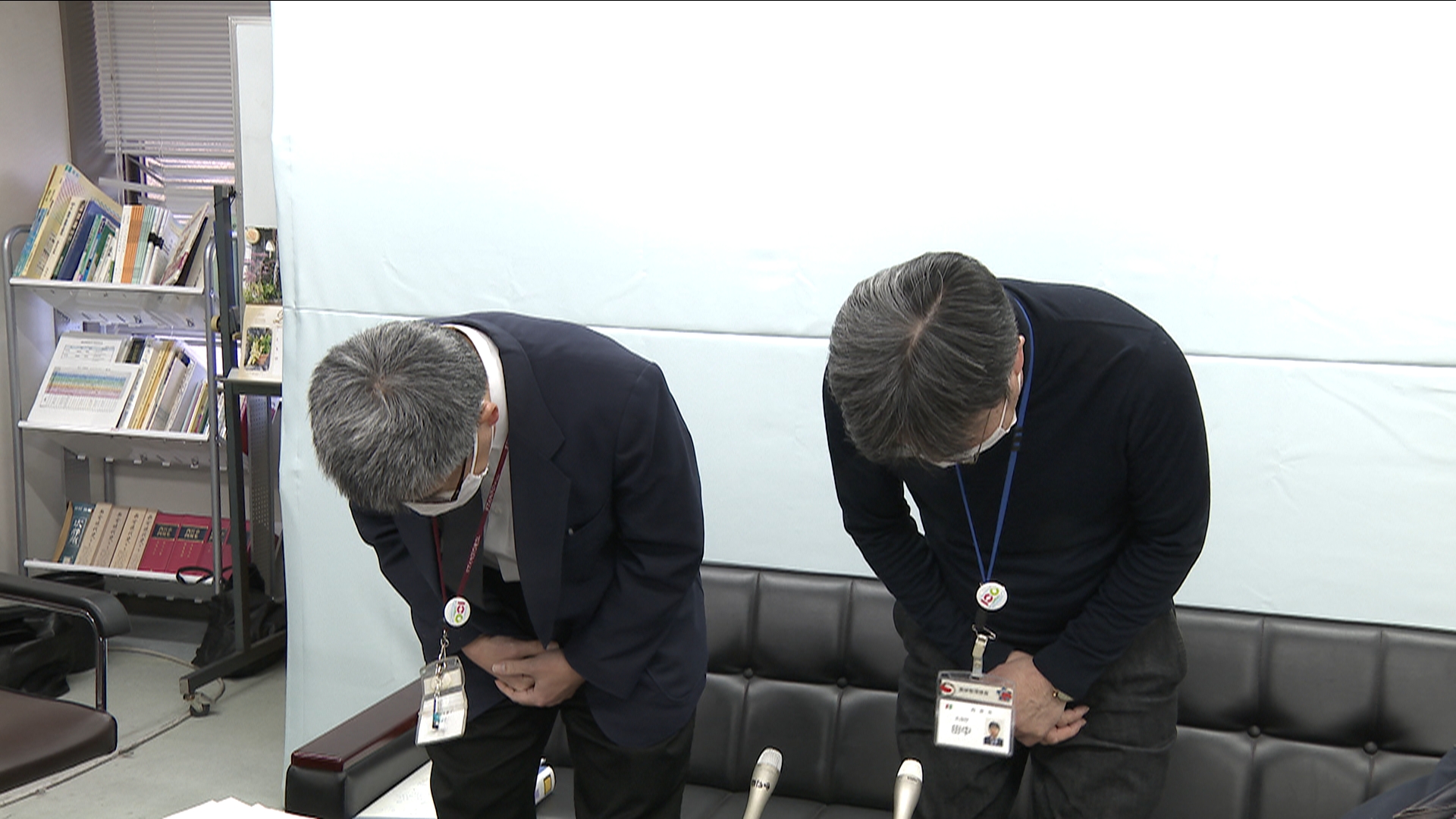
Masato Kondo, Chief Inspector in charge of internal oversight, publicly apologized for the breaches, saying, “We deeply regret this. We will work to prevent recurrence and restore the trust of the people of Ehime.” The department said it is reviewing information-handling protocols, including refresher training on confidentiality, tighter guidance on off-duty conduct, and clearer reminders that information gleaned from radio traffic, briefings, and on-scene responses remains strictly confidential outside operational needs.
What a “document referral” means under Japanese procedure
The cases were submitted to prosecutors through what is known in Japan as a “document referral” (shorui soken), a standard procedure for non-custodial cases in which suspects are not arrested but case files and evidence are forwarded for charging consideration. Prosecutors will evaluate whether the alleged conduct meets the threshold for indictment under the Local Public Service Act. That law imposes a duty of confidentiality on local civil servants, including police officers, and violations can carry criminal penalties, which under relevant provisions may include up to one year in prison or a fine of up to 500,000 yen. Administrative discipline—including reprimands, pay cuts, suspensions, or dismissals—can be levied separately from any criminal process.
Why the incidents matter: trust, privacy, and operational integrity
For law enforcement, confidentiality is a foundational requirement that protects witnesses, victims, suspects, and investigative tactics. Even seemingly minor disclosures in casual environments—such as restaurants or social gatherings—can compromise investigations, endanger individuals, or unfairly damage reputations. The alleged leaks in Ehime highlight the risks posed by everyday conversations that blur the line between personal and professional realms, especially when officers discuss details learned from sensitive channels like dispatch radio or field briefings.
The episodes also arrive amid heightened public attention to data protection in Japan. While the Personal Information Protection Act regulates the handling of personal data, public servants are bound by an additional, explicit duty of confidentiality in the Local Public Service Act. Together, these frameworks are designed to ensure that information gathered under the authority of the state is used strictly for legitimate purposes and not exposed to those without a need to know.
Discipline reflects differing assessments of severity
The contrasting disciplinary outcomes—a one-month, one-tenth pay cut for the constable and a formal warning for the assistant inspector—suggest the Inspection Office weighed factors such as the extent of disclosure, potential harm, cooperation with the internal investigation, and prior records. Officials did not reveal whether either officer’s disclosure affected an active investigation or spread beyond the immediate circle of acquaintances. In general, Japanese police agencies tailor discipline to the gravity and circumstances of the breach while attempting to reinforce a culture of compliance.
Next steps: prosecutorial review and internal follow-up
Both cases now rest with the Matsuyama District Public Prosecutors Office, which will decide whether to indict based on the evidence compiled by the police and internal investigators’ findings. If prosecutors decline to indict, administrative sanctions already imposed would remain on the officers’ personnel records; if they proceed, any criminal adjudication would be separate from the completed disciplinary measures. The prefectural force indicated it will continue internal oversight and training efforts and stressed that rebuilding public trust—particularly in a largely rural prefecture where interactions between officers and residents are frequent—is a priority.
Local context: Ehime’s policing and community expectations
Ehime Prefecture, located on the island of Shikoku and anchored by its capital, Matsuyama, relies on community-based policing in which officers maintain close contact with neighborhoods and local businesses. That proximity enhances responsiveness but also demands disciplined handling of information in everyday settings. The latest cases reinforce the message that confidentiality applies at all times—on-duty and off—and that lapses, even when unintentional or casual, can have legal consequences and erode confidence in law enforcement. As the investigations proceed, the force has signaled it will use the incidents as a training moment to clarify boundaries, reinforce the duty of silence regarding case-related details, and ensure that operational information stays where it belongs: within the chain of command and the investigative team.