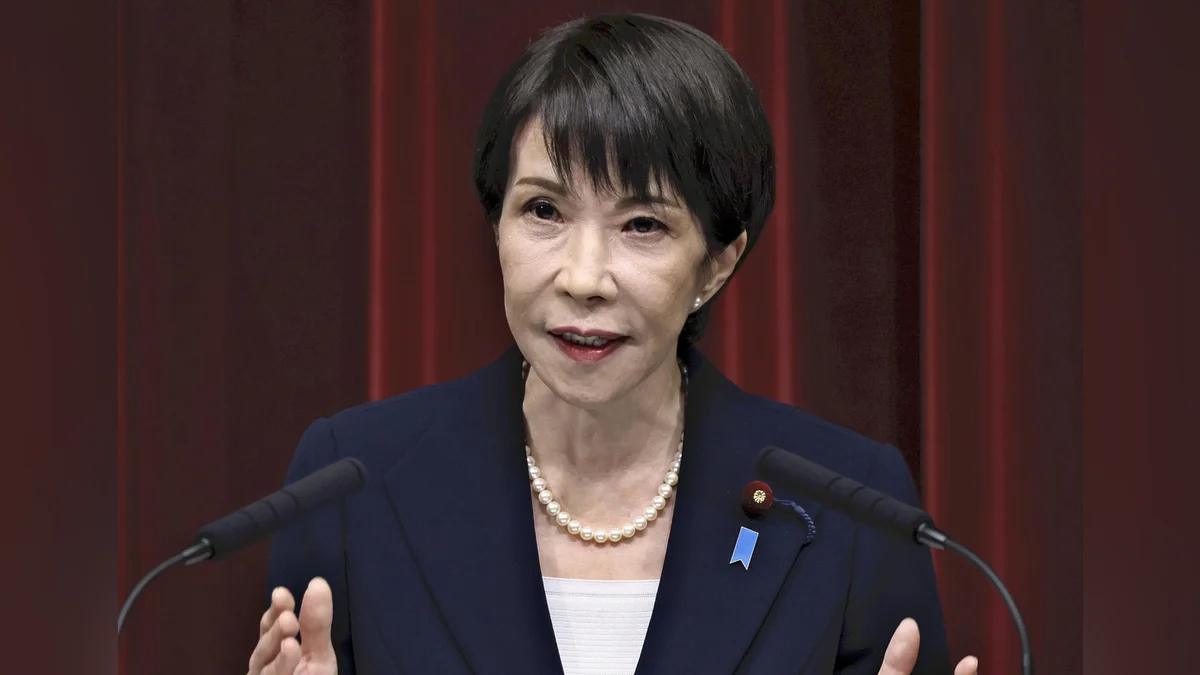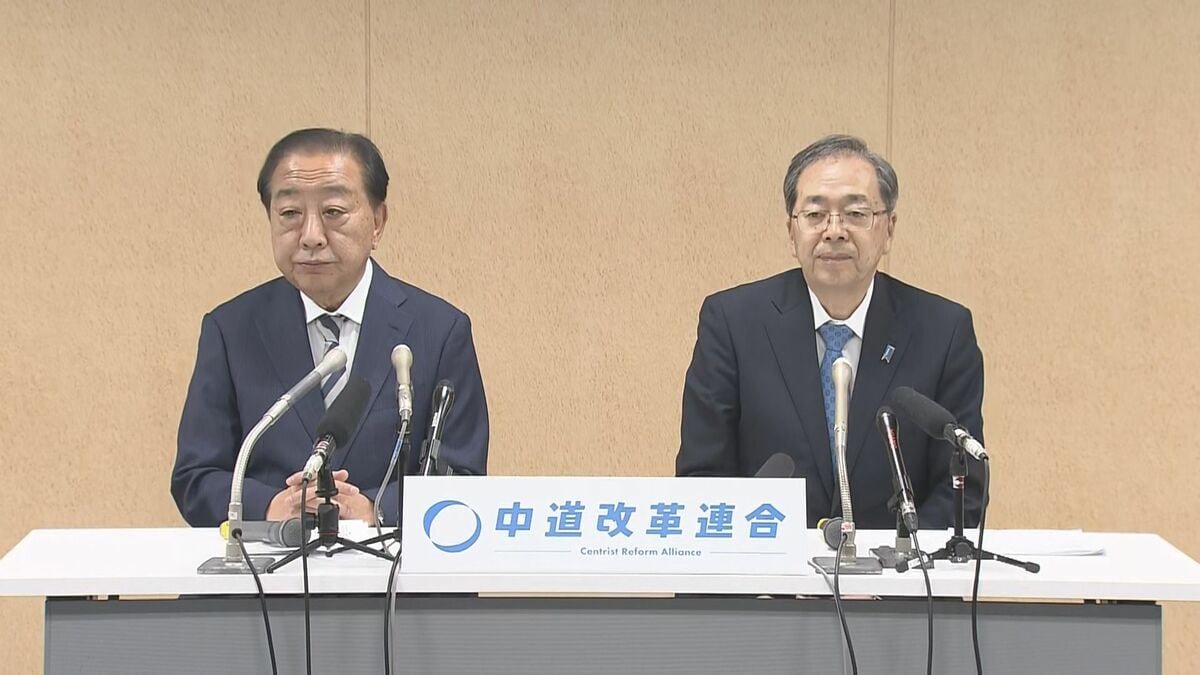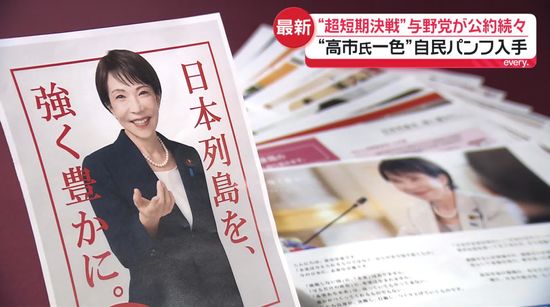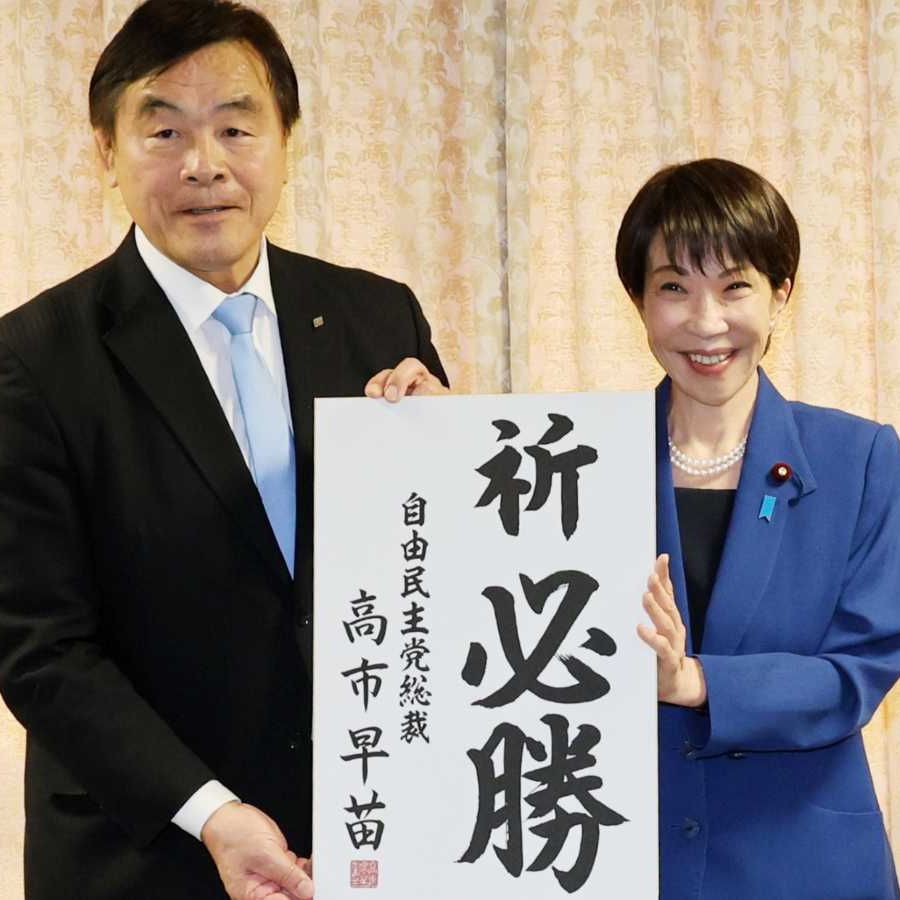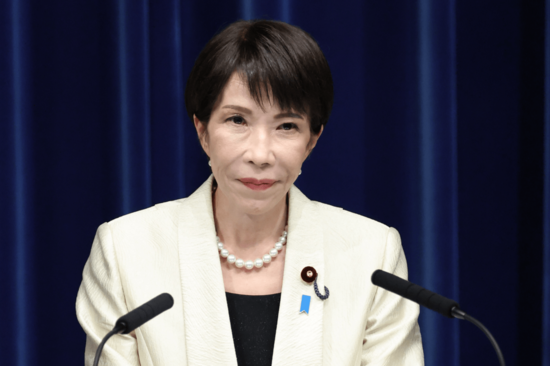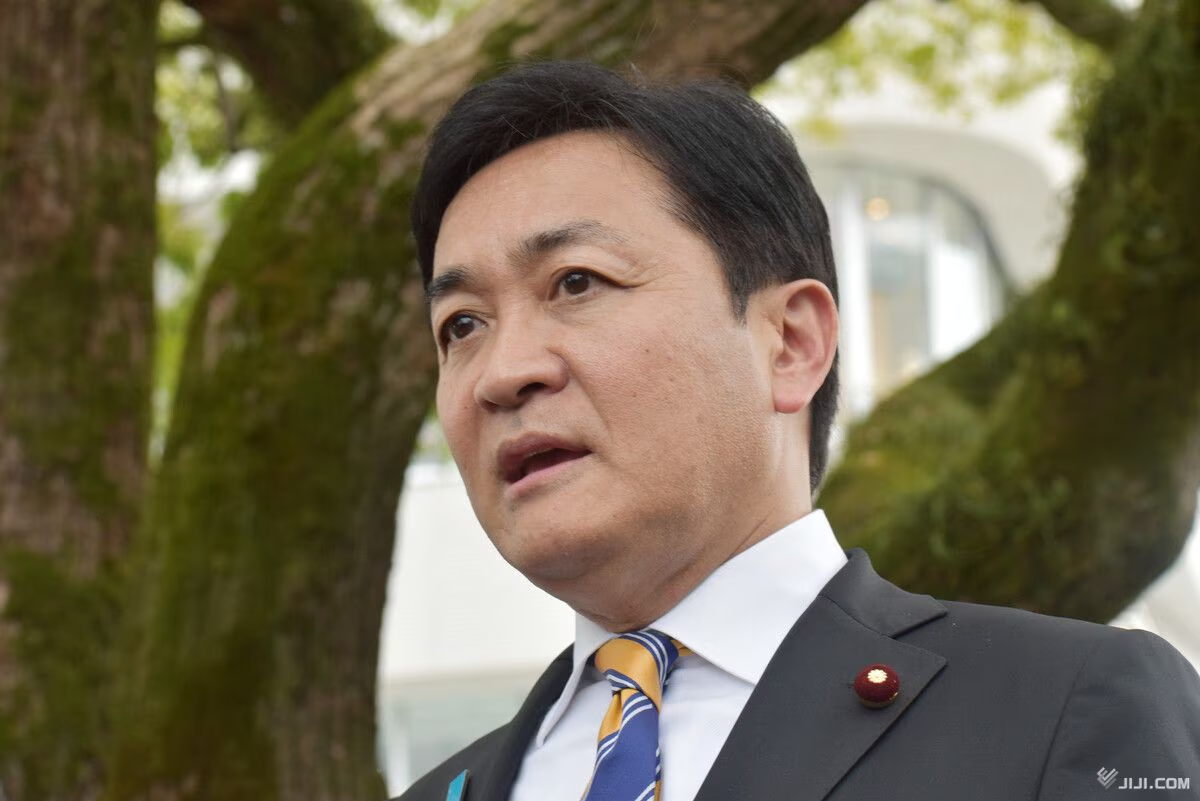
Japan’s political fault lines shifted abruptly on the 19th as Prime Minister Sanae Takaichi, who also heads the ruling Liberal Democratic Party (LDP), dissolved the House of Representatives and set the nation on a fast track toward a general election. The move triggered an immediate war of words: ruling party figures derided the newly unveiled “Centrist Reform Alliance” formed by the Constitutional Democratic Party and Komeito as a mere election contrivance, while opposition leaders blasted the dissolution as a “self-preservation” gambit aimed at evading scrutiny in parliament. The decision ushers in a high-stakes national contest that will test alignments old and new, reshape campaign narratives, and potentially reorder Japan’s policy priorities as the fiscal calendar tightens.
Ruling Camp Frames a Mandate Vote on Takaichi’s Leadership
Keiji Furuya, the LDP’s election strategy chief, told reporters at party headquarters that the dissolution is about securing a broader mandate to accelerate policy. “To shift policy implementation into a higher gear, we need the public’s trust,” he said, adding that voters could treat the contest as a “Choose Takaichi” referendum on the prime minister’s leadership. The LDP message nods to a classic Japanese campaign theme: asking for renewed public confidence to push through a policy agenda that, in the ruling camp’s telling, requires clear electoral backing to overcome gridlock and resistance in the Diet.
From Japan Innovation Party (Nippon Ishin no Kai), party leader and Osaka Governor Hirofumi Yoshimura declared that his group would seek a voter mandate to push national politics forward “based on a coalition agreement,” positioning his party as a reform-driven alternative intent on advancement rather than political maneuvering. Yoshimura also swiped at the just-announced Centrist Reform Alliance, dismissing it as a party “for the sake of election tactics.” The remark encapsulates a key line of attack from the pro-reform camp against centrist realignments: that new labels and alliances are substitutes for substantive policy coherence.
‘Self-Preservation Dissolution’: Opposition Escalates Rhetoric
Across the aisle, prominent opposition voices accused the prime minister of dissolving the lower house to dodge scrutiny. Constitutional Democratic Party leader Yoshihiko Noda, speaking in the Diet, argued that if the government sought to avoid grueling Budget Committee questioning, then this was a “self-preservation dissolution.” Noda also expressed confidence about working in tandem with Komeito under their newly minted Centrist Reform Alliance, promising synergistic effects and vowing to “create a centrist wave” across the country. The rhetoric reflects an opposition strategy that blends substantive policy critiques with a bid to present a credible, moderate governing alternative.
Komeito leader Tetsuo Saito, fielding questions in Osaka, zeroed in on legislative timing—a perennial flashpoint in Japanese snap elections. He questioned whether the government was effectively abandoning hopes of passing the fiscal 2026 budget during the current fiscal year, asking pointedly whether it was acceptable to invite a “political vacuum” at a moment when budget deliberations would normally enter a decisive phase. The warning speaks to fears inside and outside the political world that a prolonged campaign can delay fiscal decisions and unsettle administrative planning.
A New Centrist Bloc with Unusual Partners
The Centrist Reform Alliance, linking the center-left Constitutional Democratic Party and the traditionally pacifist, Buddhist-influenced Komeito, marks an unusual realignment in postwar Japanese politics. Komeito has historically served as the junior partner in ruling coalitions led by the LDP; any shift toward a centrist anti-LDP alliance would raise the stakes considerably in urban and suburban districts where Komeito’s disciplined grassroots network is influential. While the new alignment promises a broader tent, it also invites questions about policy harmonization on national security, social welfare, and tax policy—areas where the two parties’ instincts can differ. For now, both sides emphasize the goal of pragmatic, middle-ground reform and pledge to prioritize concrete solutions over ideological rigidity.
Budget Clock Ticks as Campaign Calendar Compresses
Japan’s constitution empowers the prime minister to dissolve the lower house, typically triggering a national vote within weeks. That timetable collides with fiscal reality: the government customarily aims to pass the next year’s budget by the end of the current fiscal year in March. A contentious campaign can complicate that schedule, risking stopgap measures and denting confidence in the government’s bandwidth to manage economic headwinds. Saito’s warning about a potential “political vacuum” reflects concerns in business circles about public investment plans, social spending commitments, and policy continuity. Even for parties that support parts of the budget, the electoral imperative to draw sharp contrasts can delay cooperative votes, making timing as much a political weapon as a procedural detail.
Centrist, Right, and Left: Everyone Stakes Out the Ground
Yuichiro Tamaki, leader of the Democratic Party for the People, said the dissolution had shaken a relationship of trust and argued that working through concrete proposals for a consumption tax cut should be a national priority. His party had indicated willingness to cooperate on passing the budget, but Tamaki signaled a turn toward stronger criticism as the campaign unfolds. The consumption tax question—how deep to cut, how to offset revenues, and which households or sectors to target—has become a lodestar for parties seeking to connect with voters facing persistent cost-of-living pressures.
From the left, Japanese Communist Party Secretary-General Akira Koike questioned whether Japan should “march to the right,” insisting that JCP seats are necessary to pull policy back toward social protections, civil liberties, and constitutional pacifism. On the emerging populist flank, Sanseito leader Sohei Kamiya criticized delays to the budget as a “major demerit” and said his party aims to field roughly 160 candidates nationwide, a declaration that underscores how smaller parties see opportunity in a fluid landscape and in voter fatigue with establishment positioning.
What to Watch: District Battles, Coalition Arithmetic, and Turnout
Japan’s lower house elections are fought in a mixed system that blends single-member districts with proportional representation. That design heightens the importance of vote coordination and disciplined party machines—areas where the LDP historically excels, but where a reconfigured centrist bloc could be newly competitive, particularly in dense urban constituencies and commuter belts. Osaka and the broader Kansai region will likely be a battleground for the Japan Innovation Party, which seeks to translate regional momentum into national leverage. The LDP, for its part, will try to nationalize the election around leadership stability and policy delivery under Prime Minister Takaichi, framing the ballot as an endorsement of her capacity to govern decisively.
Key questions loom. Can the Centrist Reform Alliance present a coherent platform that reconciles differences over defense policy and social welfare while leveraging Komeito’s organizational strength? Will the LDP successfully cast the election as a referendum on progress and continuity, or will the “self-preservation” narrative stick? Can opposition parties coordinate to avoid splitting the anti-LDP vote in single-member districts, a perennial challenge that often hands victories to the ruling party? And how will fiscal concerns—especially the fate of the upcoming budget—shape voter perceptions of competence and responsibility?
Turnout will be pivotal. Historically, higher turnout can scramble expectations, rewarding parties with energized bases and resonant economic messages. With living costs and wage dynamics in sharp focus, proposals on tax relief, social insurance, and growth reforms are likely to carry unusual weight. As nominations are finalized, manifestos published, and stump speeches sharpened, this snap election is morphing into a stress test for Japan’s center ground—one that could recast coalition arithmetic and redefine the policy menu confronting the next government before the fiscal year turns.