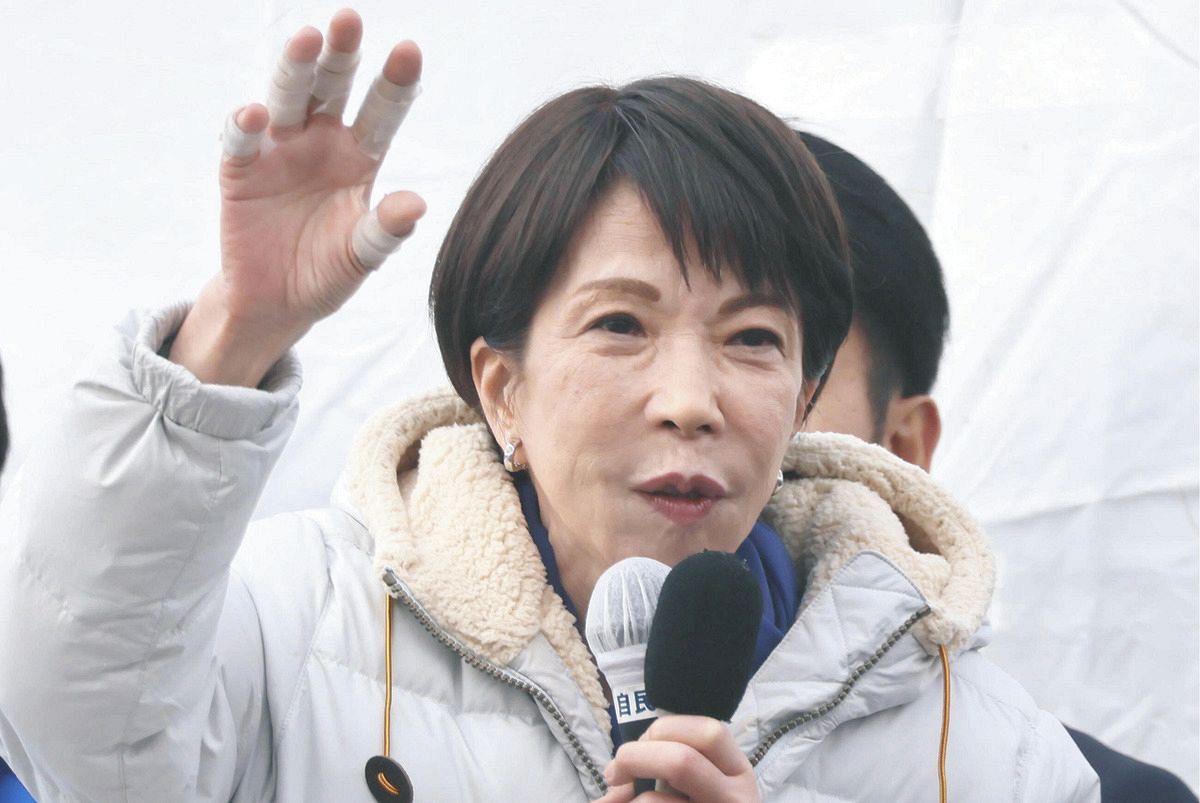
PM Takaichi seeks care amid painful flare-up, reassures public on continuity
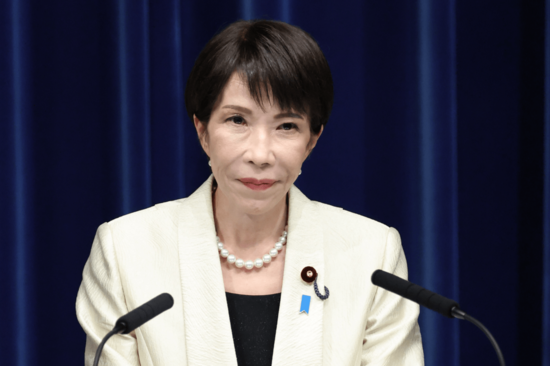
Japanese Prime Minister Sanae Takaichi visited a Tokyo hospital for nearly four hours to treat a deteriorating hand condition following the recent election period, her office confirmed. The Prime Minister disclosed that two fingers have become markedly bent due to long-term rheumatoid arthritis (RA) and that intensive handshaking with supporters during the campaign left her fearing fractures. After comprehensive examinations—including X-rays and blood tests—doctors ruled out any broken bones but identified severe inflammation and significant pain consistent with an acute RA flare. Despite visible joint damage, Takaichi has pledged to continue her official duties while managing the condition with medication and protective support.
A public schedule under scrutiny—and a measured response
Takaichi’s hospital visit comes on the heels of a missed high-profile NHK political debate, a decision that drew sharp criticism from opposition parties and some commentators. The Prime Minister explained that she had delayed seeking in-person treatment to avoid triggering a media frenzy or placing undue burden on medical staff—an acknowledgment of Japan’s intense public interest in leadership health and the country’s culture of discretion around private medical matters. By presenting test results and a clear plan to continue working, she aimed to assure citizens and markets that governance remains steady.
Rheumatoid arthritis in focus: what it means for a leader
Rheumatoid arthritis is a chronic autoimmune disease that causes the body’s immune system to attack joint tissue, leading to inflammation, pain, and, over time, deformity. Hand joints are particularly vulnerable, and flare-ups can be triggered by stress, repetitive strain, and fatigue—all common in demanding election cycles where constant handshaking is a ritual of retail politics. Japan’s population is aging, and RA awareness has grown in recent years as more citizens and policymakers discuss accessibility, workplace accommodations, and advanced therapies designed to preserve quality of life and productivity.
Why this matters to Japan—and its partners
Leadership health is a sensitive topic in every democracy, but Japan’s approach often emphasizes continuity, respect for medical professionals, and swift transparency once facts are confirmed. Takaichi’s decision to undergo thorough testing and publish the key findings reflects a broader norm in Japanese governance: acknowledging challenges while prioritizing stable administration. The Prime Minister also expressed gratitude to well-wishers across Japan who sent support braces, splints, and wraps—an outpouring that underscores a civic culture where leaders and citizens often exchange practical aid in times of need.
Operational resilience and policy outlook
Officials indicated that Takaichi will rely on medication and protective measures to limit strain on affected joints. While some adjustments to her schedule may be sensible during recovery, policy work is expected to proceed—supported by Japan’s well-honed bureaucratic machinery and a cabinet accustomed to continuity planning. For international observers and expatriates in Japan, the episode offers a window into a political system that prizes reliability and composure. It also spotlights Japan’s advanced healthcare infrastructure, where rapid imaging and lab diagnostics help leaders and ordinary citizens alike make informed decisions quickly.
Broader implications: campaigning, wellness, and modern leadership
The incident raises practical questions about how to modernize campaign traditions—like marathon handshaking—without losing the personal touch valued by voters. As more societies discuss the intersection of health and public service, Japan’s experience may prove instructive: transparent updates, respect for medical guidance, and a commitment to duty can coexist. For now, the message from Tokyo is clear. The Prime Minister is managing a painful but well-understood condition, there are no fractures, and the work of government continues—steady, respectful, and focused on delivering for the public.