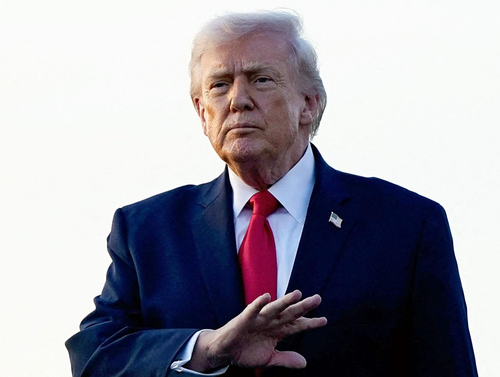
Washington — In remarks aired on the 13th by Fox News Radio and cited by Reuters, U.S. President Donald Trump suggested that Russian President Vladimir Putin may be “helping” Iran “somewhat,” while also saying the United States does not need support from Ukraine on interceptor drones. The brief comments, short on specifics, nonetheless ripple across multiple security theaters — from the Middle East to Eastern Europe — and carry implications for allies in the Indo-Pacific, notably Japan.
What Trump said
On possible Russian support to Iran
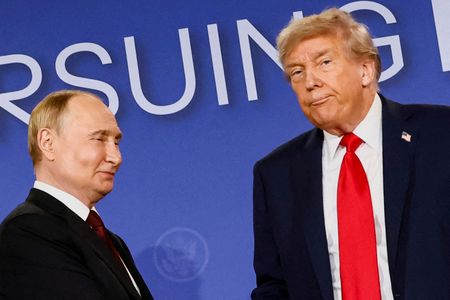
Asked about Iran, Trump said he believes Putin may be assisting Tehran “a little,” without offering details or evidence. The suggestion lands against a complex backdrop: Iran has supplied drones to Russia since Moscow’s full-scale invasion of Ukraine, and Russia and Iran have deepened defense cooperation in recent years, including on UAVs and missiles. Any perception of reciprocal Russian support to Iran — whether technical, financial, or diplomatic — would reinforce a sanctions-challenging security axis and complicate Western efforts to isolate both governments.
On Ukraine and interceptor drones
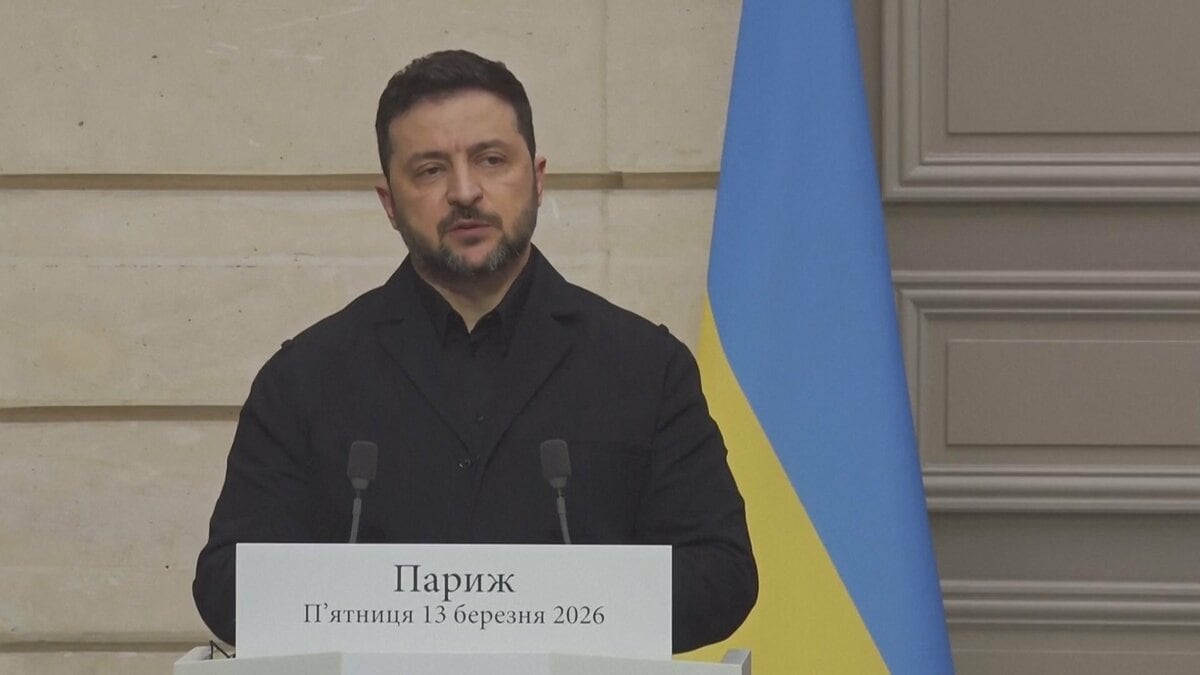
When questioned about support related to interceptor or air-defense drones, Trump responded that the United States does not need such assistance from Ukraine. He did not elaborate on the context of the question or what specific systems were at issue. Interceptor drones and counter-UAS tools have become central on modern battlefields and in homeland protection, as militaries adapt to swarming attacks and low-cost loitering munitions.
Why this matters for Japan
Energy security and sea lanes
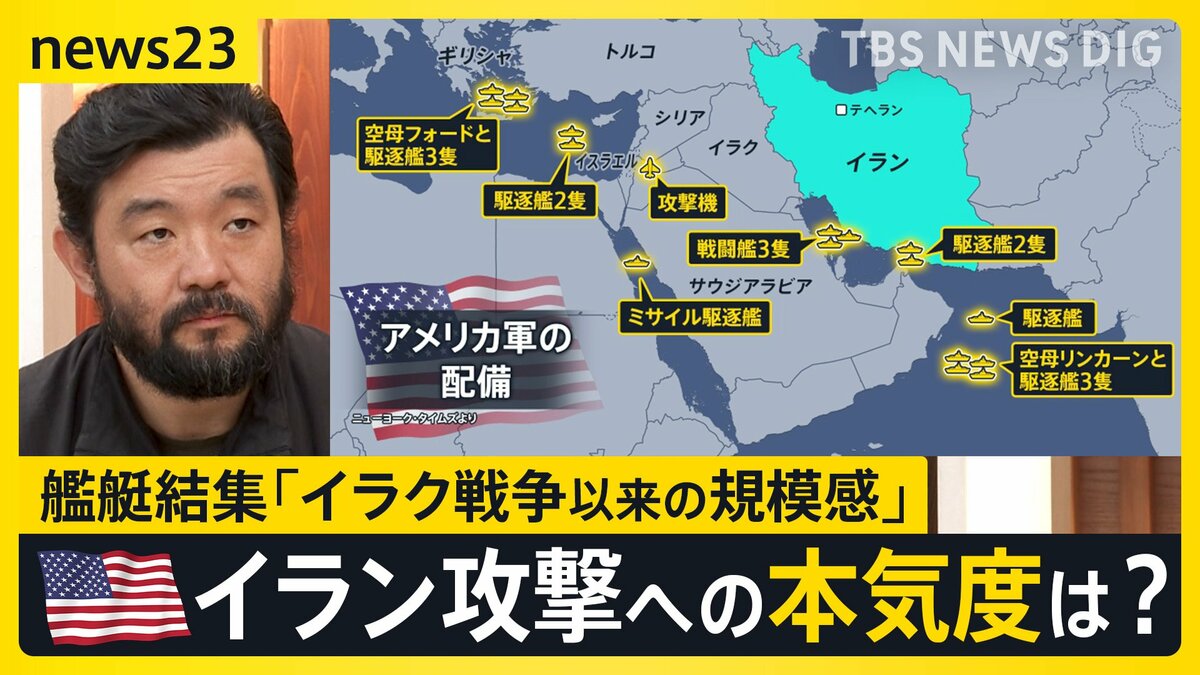
Japan is heavily reliant on imported energy, with a significant share of crude oil sourced from the Middle East. Any escalation involving Iran — whether in the Gulf, the Strait of Hormuz, or extended tensions that trigger proxy activity — threatens shipping stability, insurance costs, and ultimately Japan’s fuel prices and inflation. Tokyo has long prioritized the security of sea lines of communication, maintaining a Maritime Self-Defense Force presence for anti-piracy and information-gathering in and around the Gulf of Aden. Signals of tighter Russia–Iran coordination raise the risk of more sophisticated unmanned threats to shipping, amplifying the urgency of maritime protection for Japan-linked vessels.
Japan’s evolving drone and air-defense posture
Japan has accelerated investments in integrated air and missile defense, including Aegis-equipped destroyers, Patriot systems, and advanced sensors, while tightening export controls on sensitive components often found in UAVs. The government has strengthened counter-drone measures around critical infrastructure and major events, reflecting lessons from conflicts where small UAVs have had outsized impact. As allies refine tactics against loitering munitions and swarms, Japan is deepening R&D collaboration and procurement of counter-UAS technologies to protect bases, ports, and energy terminals — assets essential to national resilience.
Diplomacy and the U.S.–Japan alliance
Tokyo’s approach remains steady and pragmatic: align with G7 partners on sanctions policy, uphold freedom of navigation, and support de-escalation through diplomacy. The U.S.–Japan alliance is the cornerstone of regional deterrence; Washington’s stance on Russia, Iran, and Ukraine inevitably shapes Japan’s security calculus. While Trump’s comments were brief, any policy shift on support to Ukraine or on approaches to Iran could reverberate through transatlantic and Indo-Pacific planning, affecting defense industrial coordination, munitions stockpiles, and maritime deployment patterns that also underpin Japan’s security.
Context: Russia, Iran, and drones
Iranian-made Shahed-series drones have been used extensively by Russia in Ukraine, prompting expanded Western export controls to choke off components. In parallel, Iran and its regional partners have showcased a growing drone arsenal targeting infrastructure and shipping. If Moscow were perceived to be assisting Tehran — even “somewhat” — it could accelerate technology transfer and tactics that challenge air defenses far from the front lines. For Tokyo, this underscores why diversified energy sourcing, stronger counter-UAS layers, and close intelligence-sharing with allies are not just optional, but essential.
What to watch next
- Clarification from the White House and Pentagon on U.S. posture toward Ukraine’s drone and air-defense collaboration.
- Any new U.S. or G7 sanctions targeting Russia–Iran defense links, including UAV supply chains.
- Japanese policy updates on maritime security, insurance backstops for shippers, and counter-drone deployments at ports and energy hubs.
- Market reaction in oil and shipping rates — key indicators for Japan’s inflation and yen sensitivity.
Japan’s message amid uncertainty is consistent: safeguard sea lanes, strengthen defenses, and work in lockstep with partners. In a world where a single low-cost drone can disrupt commerce, Tokyo’s careful, forward-looking security strategy remains a stabilizing force for the region and for global trade.