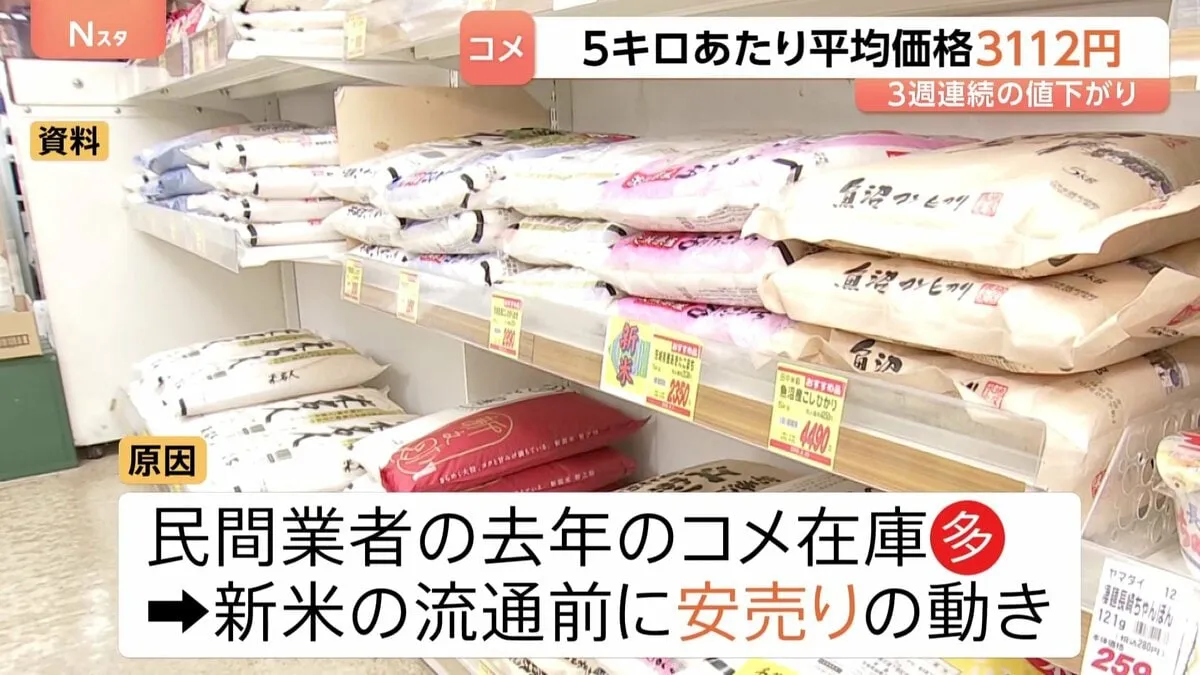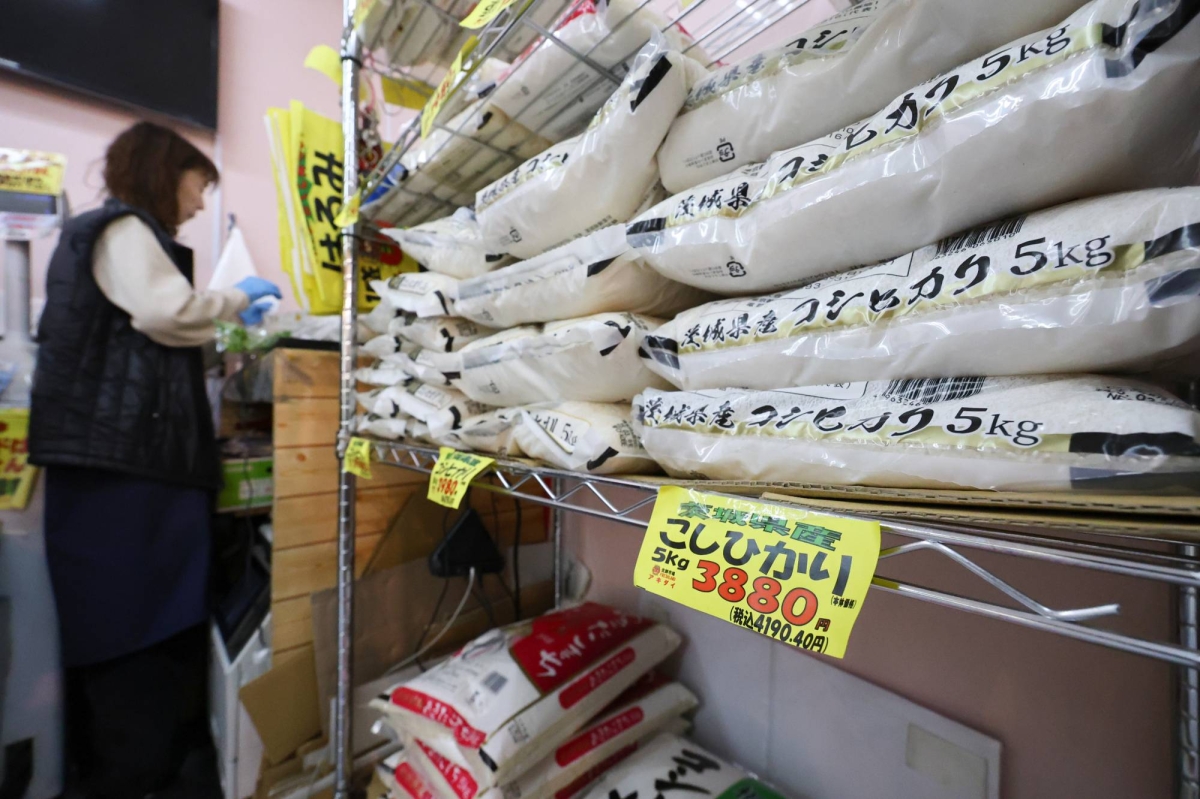
The price of rice, Japan's staple food, has soared to record highs, with a 5kg bag now routinely costing over ¥4,000 is far cry from the ¥2,000 range common just a year ago. This surge is creating a crisis for both consumers and the supply chain.
A Perfect Storm for High Prices
The root cause is a government miscalculation of demand, leading to a shortage. While a 56,000-ton increase in production is expected this year, the market has not yet stabilized. Retailers are engaged in what some call a 'rice war,' scrambling to secure stock. One Nagoya retailer reported that four local rice shops went out of business last year due to the supply crunch.
The Farmer's Perspective
For farmers, the previous low prices were unsustainable. Agricultural cooperatives like JA Aichi have significantly raised advance payments to farmers. For the popular Koshihikari variety, this payment jumped by ¥10,000 to ¥28,500 per 60kg. While this helps farmers, it directly contributes to the retail price spike.
Quality and Climate Challenges
Farmers have also been battling high-temperature damage caused by recent intense summers, which reduces grain quality. Some, like a farmer in Aichi Prefecture, have switched to heat-resistant strains like 'Aichi-no-Kokoro,' which yielded a better quality crop this year. However, this doesn't offset the broader price increases driven by the fundamental supply-demand imbalance.
An Unsustainable Dilemma
The situation presents a policy nightmare. Consumers expect affordable staple food, but farmers need profitable prices to survive. As one retailer put it, 'If it's expensive, it doesn't sell. If we make it cheap, the farmers suffer.' Finding a balance is now a critical task for Japan's next political administration.