Cash rewards under Japan’s immigration law, explained
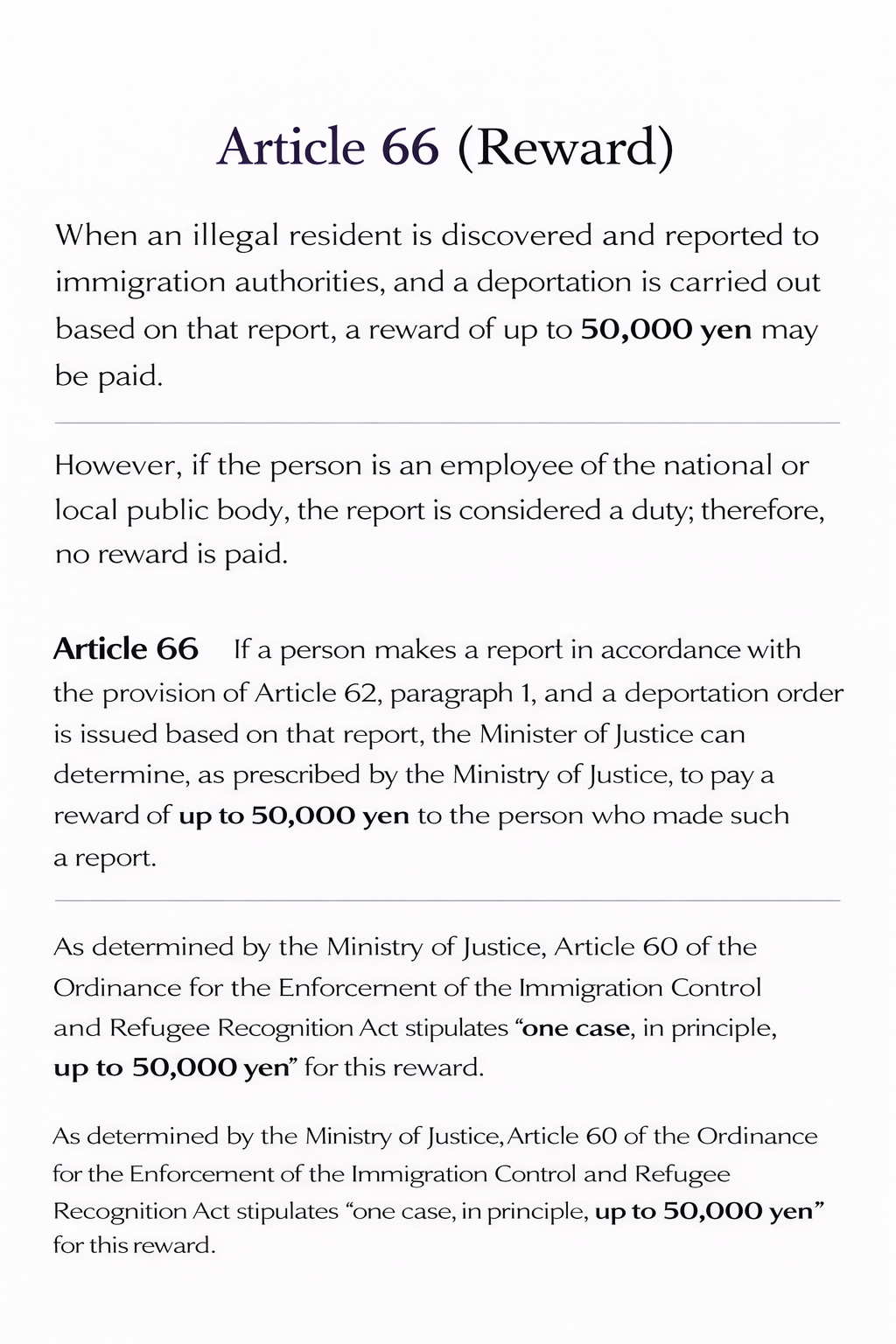
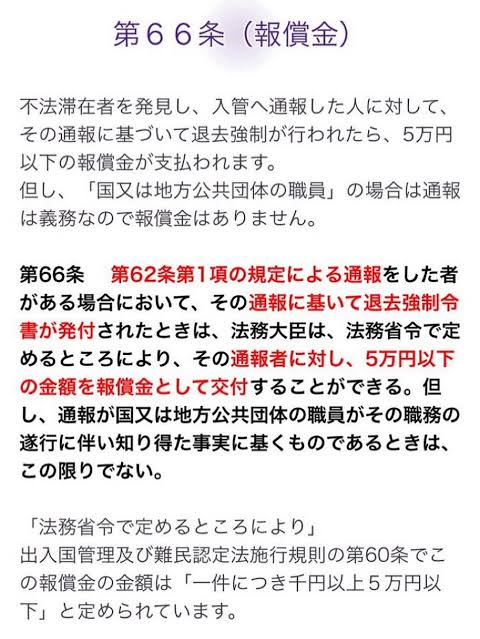
Japan’s main law governing foreign residents and visa control is the Immigration Control and Refugee Recognition Act. Under Article 66 of this law, the government may pay a monetary reward to individuals who provide credible information about a foreign national overstaying their visa or residing illegally—if, and only if, that information officially leads to a deportation order. The ceiling is clear: up to 50,000 yen per case. But that is a maximum, not a promise, and actual rewards can be much lower. Japan’s goal is straightforward and responsible: encourage accurate reporting, support the rule of law, and protect an immigration system that is fair to compliant residents, students, and workers. The policy is administered by the Immigration Services Agency, which applies legal procedures and oversight.
How the reward system works
- Eligibility hinges on outcome: a tip must contribute to a formal deportation order for any payment to be considered.
- Reward amounts vary: while the legal maximum is 50,000 yen, actual payments can be as low as 1,000 yen, depending on the case and official assessment.
- Real identity is required: informants must provide their name, address, and contact details. Anonymous tips do not qualify for rewards.
- Public officials are excluded: government employees reporting as part of their official duties cannot receive payment.
- False or malicious claims are risky and unlawful: filing defamatory or knowingly false reports can lead to legal penalties against the informant.
Not every report leads to deportation
Many reports are dismissed for lack of evidence, incorrect information, or because the individual in question is, in fact, residing legally. Japan’s immigration authorities evaluate claims against documents, records, and the law, and foreign nationals retain procedural safeguards throughout the process. This due diligence protects lawful residents and helps ensure that only substantiated cases move forward, underscoring Japan’s commitment to fairness as well as enforcement.
Why Japan uses this system
Like other advanced economies, Japan balances openness to the world with rules-based immigration. A targeted reward mechanism can surface leads that routine checks might miss, helping authorities allocate resources and uphold standards. It also supports a level playing field for businesses and workers who follow the rules, discourages exploitation, and contributes to public confidence. Similar tip-based approaches exist in other countries, so Japan’s framework is not an outlier—it is a calibrated tool backed by legal safeguards and administrative review.
What foreign residents should know
Lawful residents have rights and responsibilities. Carry your residence card as required, keep your status and address registration up to date, and file extensions or changes to status early. Maintain proof of study, employment, or family status in case you need to verify your situation. If approached by officials, you can ask to see identification and should cooperate within the bounds of the law. Importantly, Japan’s system penalizes malicious accusations, helping deter harassment and protect communities that follow the rules.
Reporting responsibly
Responsible reporting means sharing only specific, factual information you reasonably believe to be true. Vague rumors are not helpful and can harm innocent people. To be eligible for any reward, an informant must submit real contact details to the appropriate immigration office or hotline. Although the state handles personal information under Japanese law, eligibility and amounts remain at official discretion, and there is no guarantee a report will result in action or payment.
The bigger picture: welcoming yet rules-based
Japan continues to expand legitimate pathways for study, work, and long-term residence, from student visas and family routes to high-skilled professional and Specified Skilled Worker categories supporting critical industries. A system that enforces the rules while penalizing abuse signals that Japan is open, predictable, and fair—good news for students, professionals, and families who plan ahead and play by the book. In short, Article 66’s reward mechanism is one piece of a broader strategy: protect due process, support community safety, and safeguard opportunities for those who contribute to Japan’s dynamic, globally connected economy.