Tokyo lodges a formal protest
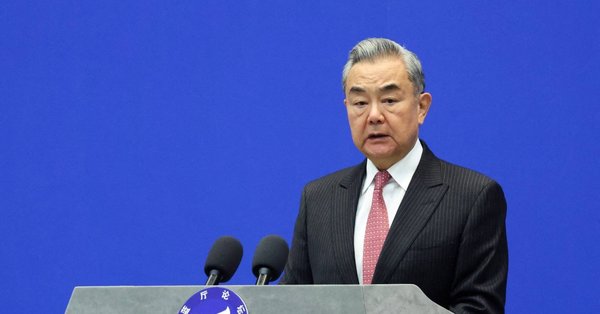
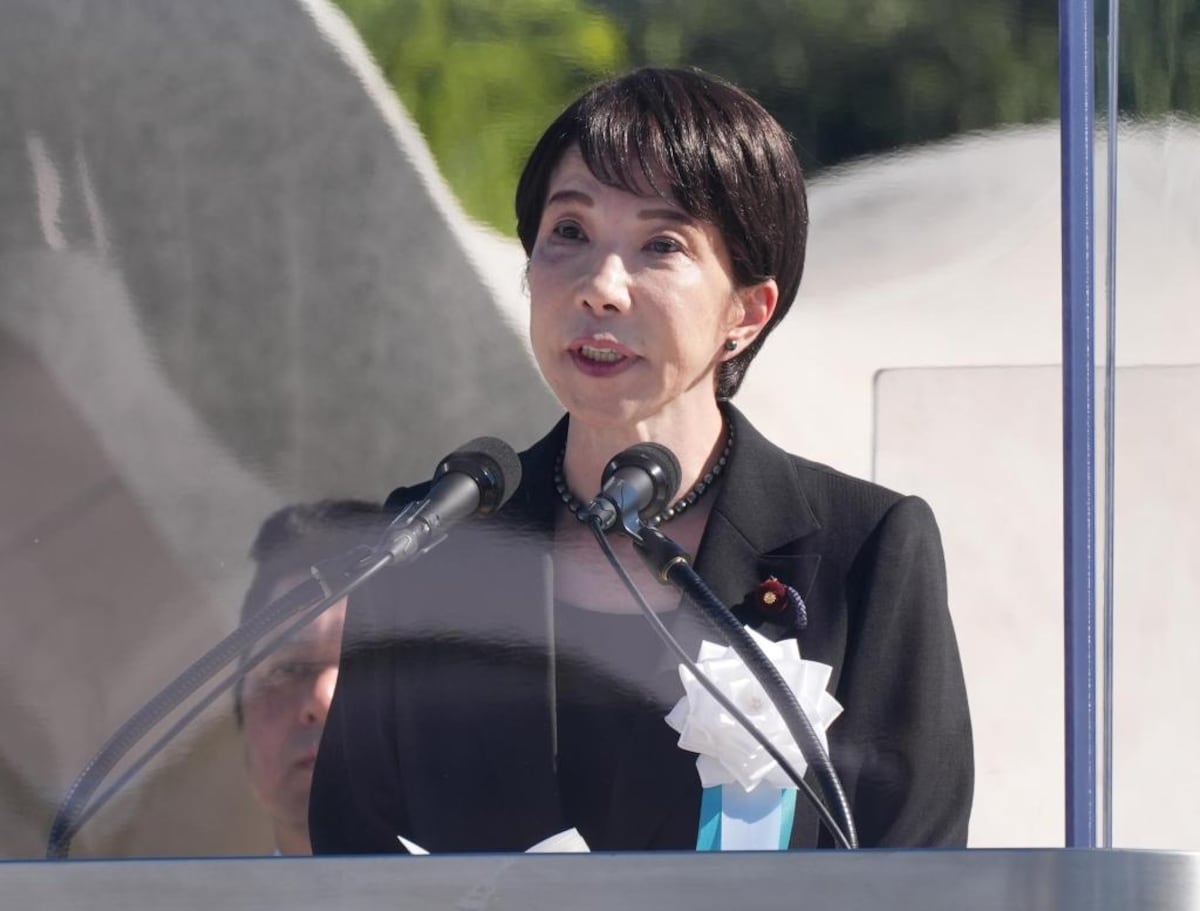
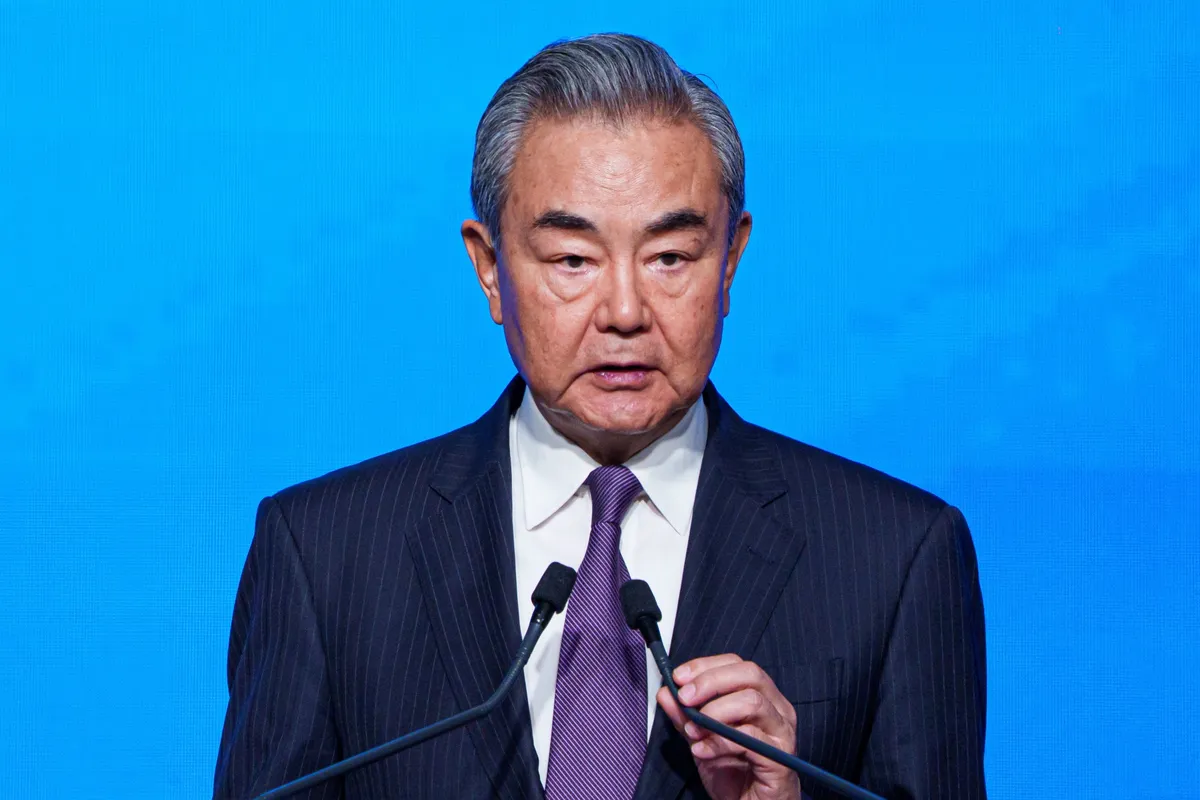
Japan’s Ministry of Foreign Affairs (MOFA) has lodged a stern protest through diplomatic channels after Chinese Foreign Minister Wang Yi made what Tokyo called “inappropriate” remarks about Japan at the Munich Security Conference (MSC). The ministry disclosed that it issued the demarche following Wang’s criticism of Prime Minister Sanae Takaichi by name and his assertions regarding Japan’s stance on Taiwan.
What triggered the dispute
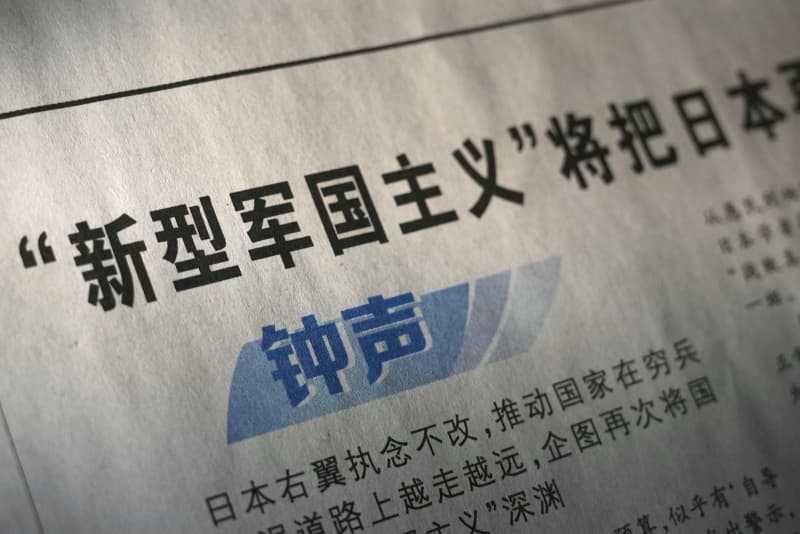
According to MOFA and Japanese media reports, Wang Yi argued that comments related to a potential Taiwan contingency “directly infringe on China’s territorial sovereignty” and “deny the fact that Taiwan was returned to China.” He further claimed Japan retains “ambitions of invasion and colonial rule over Taiwan” and remains “haunted by the specter of militarism.”
Japan swiftly rejected those statements. Citing NHK and other outlets, Foreign Minister Toshimitsu Motegi countered that the remarks “are not based on facts,” underscoring that postwar Japan has “consistently pursued the path of a peace-loving nation” and intends to continue contributing to international peace and stability. Chief Cabinet Secretary Minoru Kihara reiterated at a regular briefing on the morning of the 16th that the Chinese assertions at Munich were “contrary to the facts and lack foundation.” He added that Japan’s position remains unchanged: it expects the Taiwan issue to be resolved peacefully through dialogue. Kihara emphasized that Tokyo is open to dialogue with Beijing and will respond “calmly and appropriately.”
Japan’s position on Taiwan and the rules-based order
Japan maintains a longstanding policy framework shaped by the 1972 Japan–China Joint Communiqué, under which Tokyo normalized ties with Beijing while stating it understands and respects China’s position on Taiwan. At the same time, Japan emphasizes the importance of peace and stability across the Taiwan Strait, opposes unilateral changes to the status quo by force, and urges peaceful resolution through dialogue. This careful balance reflects Japan’s broader commitment to a rules-based international order, its pacifist Constitution, and close coordination with like-minded partners.
Why Munich matters
The Munich Security Conference is a premier global forum where heads of state, ministers, and security experts debate urgent international challenges. Remarks delivered there resonate well beyond Europe and often set the tone for diplomatic exchanges in the Indo-Pacific. Japan’s formal protest signals that Tokyo will push back firmly when it judges statements about its security posture or history to be inaccurate, all while keeping channels open for high-level dialogue with China.
Regional context and implications
Japan and China are deeply interlinked economically, yet strategic frictions persist—from maritime issues in the East China Sea to differing views on regional security. Japan has been updating its defense posture in recent years, focusing on deterrence and resilience alongside the U.S.-Japan alliance and partnerships with regional democracies. Tokyo’s response in this case underscores two constants: Japan’s self-description as a peace-oriented nation and its emphasis on stability in the Taiwan Strait as crucial to global supply chains and regional prosperity.
What it means for residents, travelers, and businesses
For foreign residents, visitors, and investors, the key takeaway is continuity. Japan is signaling predictability, legal stability, and a preference for diplomacy. While rhetoric may intensify at international venues, Tokyo’s approach remains measured: defend national interests and historical record, coordinate with partners, and keep the door open to discussion with Beijing. As Japan continues to champion dialogue and the rule of law, daily life and commerce in the country remain steady, with the government prioritizing calm management of regional risks.