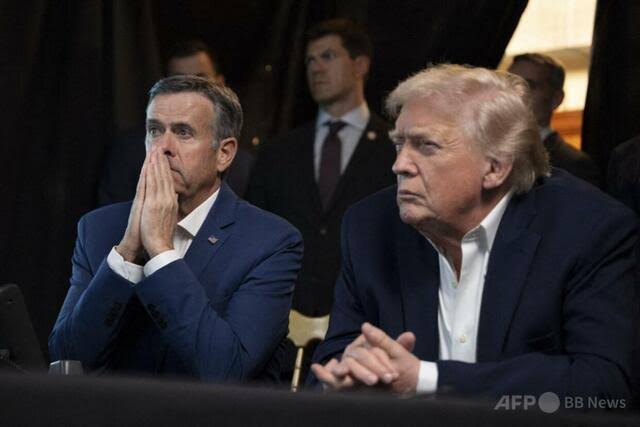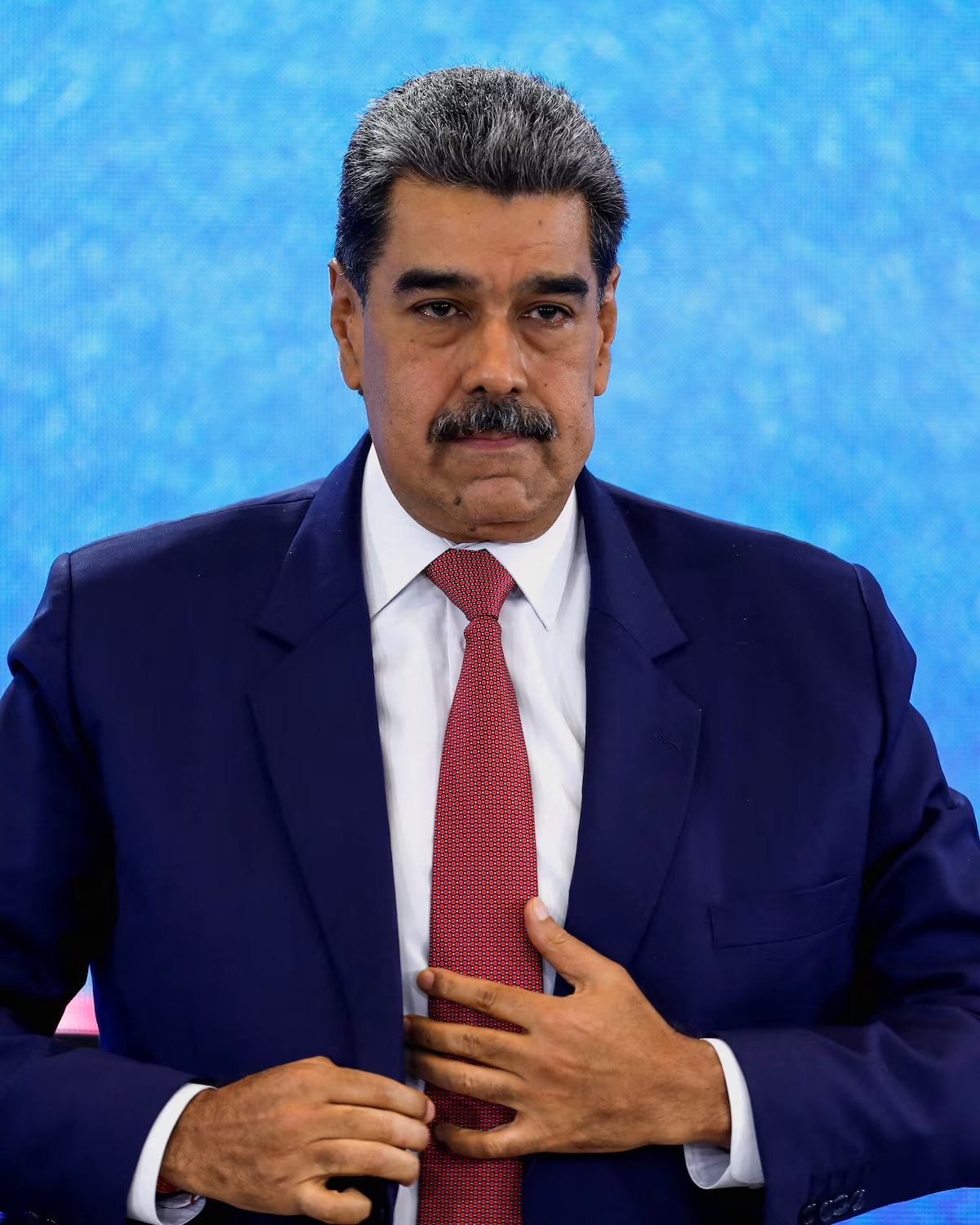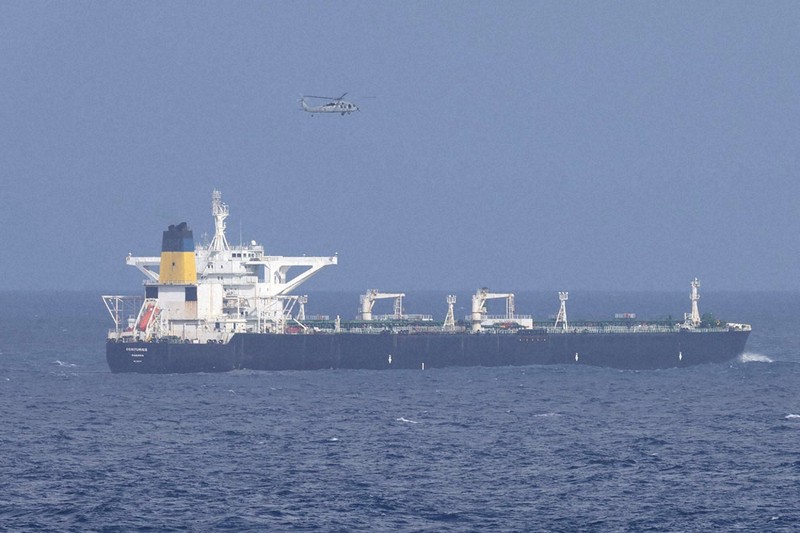
The White House has instructed the U.S. military to devote the next two months to tightening an effective “blockade” of Venezuela’s oil trade, a signal that Washington is prioritizing economic pressure over the possibility of a ground operation against drug trafficking networks inside the country, according to U.S. officials who spoke to Reuters on the 24th. The shift, while keeping military options technically on the table, appears to move a near-term ground incursion off the front burner and toward a strategy of intensified sanctions enforcement designed to choke off the Nicolás Maduro government’s primary source of revenue.
A pivot to pressure over firepower
For months, President Donald Trump has publicly alluded to the prospect of more forceful measures against Venezuela, including suggestions that U.S. forces could target narcotrafficking groups that Washington accuses of operating under the protection of the Maduro regime. But officials say the immediate focus is to tighten the screws through existing sanctions and an expanded maritime and financial squeeze around Venezuelan crude. “Military options remain,” one official said, “but we are focusing first on building economic pressure through sanctions to deliver the results the White House seeks.” The strategy reflects the administration’s view that sanctions and interdiction have already strained Maduro’s capacity to govern and pay loyalists, and that the regime could face a severe financial crisis by late January next year unless it makes significant concessions to the United States.
What a ‘blockade’ means in practice
Officials use the term “blockade” as shorthand for a multilayered sanctions architecture rather than a formal naval blockade under the laws of war. In practice, the effort combines stepped-up monitoring and interdiction of illicit shipments, pressure on shipping registries, insurers and port operators, and secondary sanctions targeting traders and intermediaries helping Venezuela move crude and refined products. That can include tracking ship-to-ship transfers, scrutinizing vessels that switch off transponders, and penalizing facilitators—from banks to brokers—who enable evasion. The Pentagon’s role, said analysts, is likely to be in surveillance, intelligence sharing and coordination with interagency partners, complementing Treasury and State Department measures that have already blacklisted dozens of entities tied to state oil company PDVSA.
Ground operation talk recedes—for now
Trump’s periodic hints at a ground operation against narcotrafficking groups have alarmed some in the region and energized some in the Venezuelan diaspora who favor decisive action. The latest guidance suggests that, at least through the next several weeks, Washington prefers to test whether intensified sanctions can force movement in Caracas without the risks and uncertainties of cross-border combat. U.S. officials reiterated that “all options” remain available, a mantra meant both to deter adversaries and to preserve strategic ambiguity. But by committing military and interagency resources to enforcement rather than invasion planning, the administration is signaling its belief that economic levers can extract concessions at lower cost—particularly if international partners cooperate.
Maduro’s narrowing room to maneuver
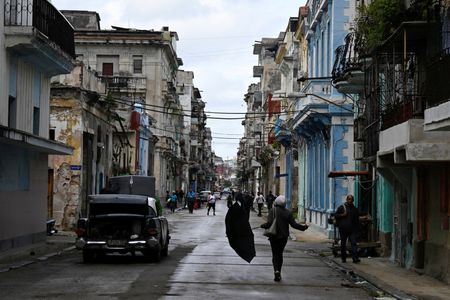
Venezuela’s economy, once buoyed by one of the world’s largest oil reserves, has shriveled under years of mismanagement, corruption, and sanctions. PDVSA’s output has plunged from several million barrels per day at its peak to a fraction of that, starving the government of dollars and spurring one of the Western Hemisphere’s largest humanitarian crises. U.S. officials argue that recent measures have intensified the squeeze, pointing to reduced access to shipping services, rising freight premiums, and growing difficulty in securing hard currency for imports. They believe the fiscal noose could tighten further in the coming months, potentially forcing Maduro to consider significant concessions to Washington—such as steps toward freer elections, the release of political detainees, or accepting more intrusive international oversight—in exchange for calibrated relief.
Legal and diplomatic complexities
While Washington uses the term “blockade,” lawyers note that an actual wartime blockade would carry different legal implications and risks. Instead, U.S. actions fall under sanctions enforcement and counter-narcotics and anti-smuggling operations, often conducted in cooperation with regional partners. That legal framing matters: a declared blockade could be read as an act of war, drawing condemnation from allies and giving adversaries rhetorical ammunition. By describing a pressure campaign rather than warfighting, the administration hopes to keep European and Latin American partners on board, even as some governments in the region—particularly those led by left-of-center coalitions—have called for sanctions relief to ease Venezuela’s humanitarian emergency.
Impact on oil markets and regional economies
In global oil markets, the move may have a modest direct impact, analysts say. Venezuelan exports are already deeply constrained, and many refiners have replaced those barrels with alternatives from the Americas, the Middle East, and West Africa. Still, further disruptions can ripple through niche segments, particularly buyers of heavy sour crude, and raise compliance costs for shippers and traders. Tighter enforcement also sends a broader signal to commodity markets: evasion tactics—like false labeling of cargoes, opaque intermediary chains, or ship-to-ship transfers in murky waters—face heightened scrutiny and potential penalties. For neighboring countries, increased pressure could be a double-edged sword: it may weaken a regime many blame for regional instability while also risking new migration surges if Venezuela’s economy deteriorates further.
Domestic U.S. calculus
At home, the administration has walked a line between projecting toughness and avoiding a costly military entanglement. Hardliners in Washington argue that sanctions are necessary to starve a repressive regime and deter narcotrafficking, while skeptics question their humanitarian toll and efficacy. The focus on enforcement over escalation appears crafted to appeal to both camps: it promises action without troops on the ground, and it leverages the U.S.’s formidable financial reach. Whether that balance can hold depends on events in Caracas and on how quickly, if at all, the White House can claim tangible progress—such as political concessions, credible electoral steps, or cooperation on counter-narcotics—from the Maduro government.
Risks of miscalculation
Even absent a ground operation, the strategy carries risks. Maritime interdictions can trigger standoffs at sea, especially if third-country vessels are involved. Secondary sanctions can strain relations with nations that maintain ties with Caracas, including Russia and, at times, China, which have provided financial lifelines and technical support. And the humanitarian fallout of deeper economic isolation could further impoverish ordinary Venezuelans, complicating the administration’s claims that sanctions are targeted and calibrated. U.S. officials say humanitarian channels remain open and that the regime, not sanctions, is responsible for the crisis; critics counter that sanctions often magnify suffering regardless of intent.
What to watch next
Over the next two months, watch for signs that sanctions enforcement is biting: fewer Venezuelan shipments reaching their destinations; new Treasury designations targeting middlemen and shipping companies; heightened maritime surveillance in the Caribbean and Atlantic; and stepped-up cooperation with regional partners on counter-narcotics. In Caracas, indicators of stress could include delays in public-sector pay, reports of fuel shortages, or fresh defections by officials. The central question remains whether economic pressure, absent the credible threat of imminent force, is enough to move Maduro. The administration is betting that it is—or at least, that it is the next best step before any decision on escalation. If concessions do not materialize and the clock runs toward late January, Washington will face a familiar crossroads: double down on sanctions, reconsider military options, or recalibrate the approach in concert with allies.
For now, the White House is steering its power toward a theater it knows well: sanctions, surveillance, and the leverage of the U.S.-centric global financial system. The coming weeks will test whether that apparatus can do what bullets have not yet done—compel change in Caracas without firing a shot.