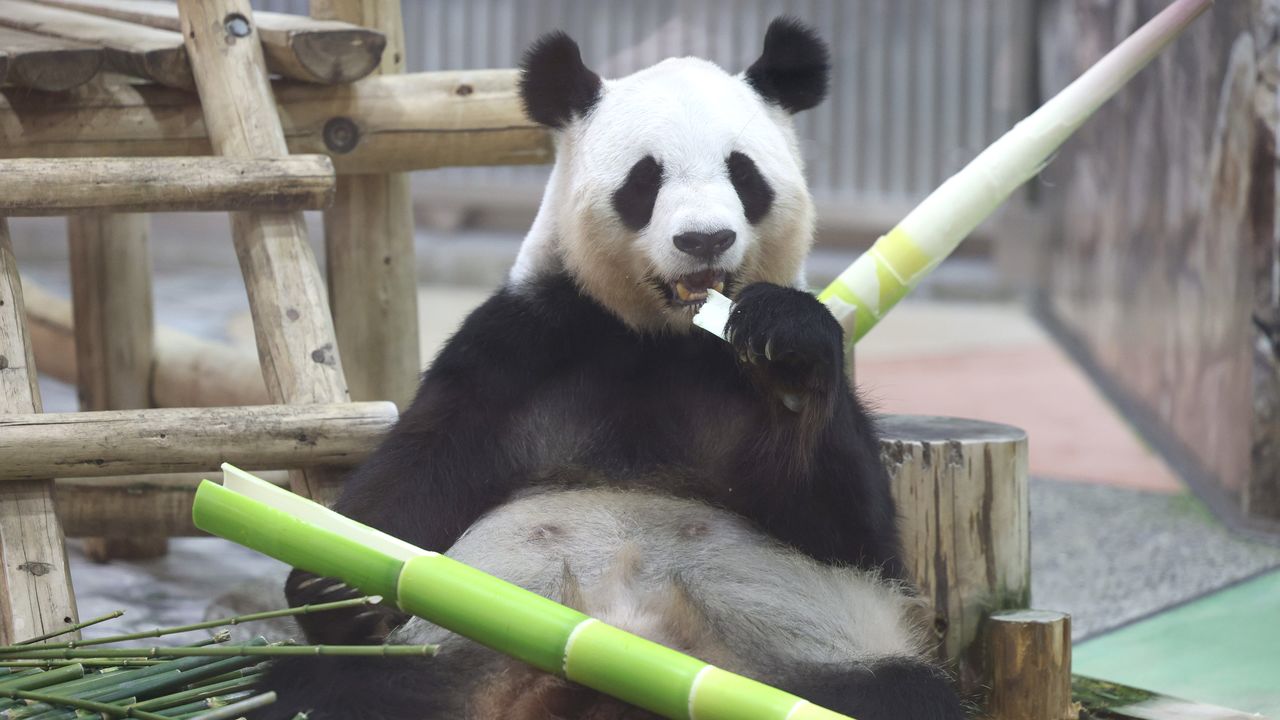
China’s Foreign Ministry declined to say whether it would authorize new giant panda loans to Japan, a conspicuous shift from the upbeat signals Beijing sent earlier this year about continued conservation cooperation. The change in tone comes as two popular giant pandas at Tokyo’s Ueno Zoo are scheduled to be returned to China in January, a routine deadline under China’s panda loan agreements that is now freighted with political symbolism.
A pointed non-answer at the podium
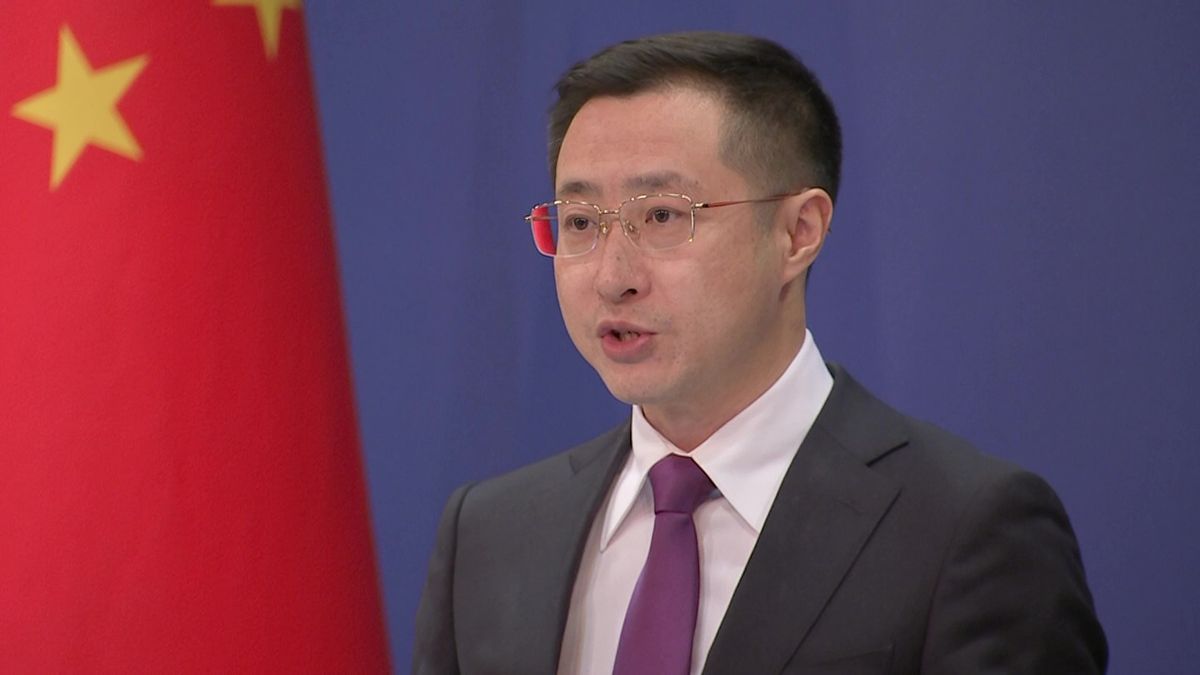
At a regular press briefing on the 15th, Guo Jiakun, a deputy director-general in the Ministry of Foreign Affairs’ Information Department, was asked whether China would consider sending new pandas to Japan after the Ueno pair goes back to China next month. Guo did not answer the question directly. Instead, he advised reporters to “consult the competent authorities,” a stock phrase in Beijing’s communications playbook that typically refers to specialized agencies responsible for wildlife management and research partnerships.
While the formulation may sound procedural, the timing and context gave it outsized resonance. In April, at a separate press conference, Guo struck a notably positive note, saying China “welcomes” Japan’s continued efforts to work jointly with China on giant panda protection and emphasizing that the two sides had maintained “close communication” about advancing cooperation. The juxtaposition between springtime warmth and December reticence was striking to observers who follow China’s deployment of so-called “panda diplomacy.”
Politics intrudes: the Taiwan factor
The recalibration appears to reflect broader turbulence in Sino-Japanese relations. Analysts in Tokyo and Beijing point to the backlash in China to Prime Minister Sanae Takaichi’s remarks in the Diet in November about how Japan would respond in a Taiwan contingency. Beijing regards Taiwan as a core interest and reacts sharply to statements it views as challenging its position. While China has not publicly linked panda lending decisions to those remarks, political mood music often matters in this realm. Guo’s choice to deflect the question—rather than reinforce April’s cooperative language—suggests senior policymakers may be reassessing the optics and timing of any new loans.
Panda diplomacy 101
Since the 1970s, giant pandas have served as one of China’s most effective instruments of public diplomacy. Today’s arrangements are typically framed as scientific partnerships: Chinese conservation centers loan pandas to accredited foreign zoos for research, breeding, and public education, with fees supporting habitat protection and veterinary work. Cubs born abroad are Chinese property under the agreements and must return to China, usually by around age four, to join the managed breeding program. The scheduled return of the Ueno pair in January aligns with these standard terms.
Beyond conservation, pandas carry a soft-power charge. Their visibility at marquee zoos draws millions of visitors, underpins sponsorship deals, and creates daily touchpoints of goodwill that are hard to replicate through high-level diplomacy alone. For host countries, pandas often become emblems of a stable, constructive relationship with Beijing—even when the broader ties are complex. Conversely, uncertainty over loans can be read as a barometer of political chill.
Why it matters in Japan
Ueno Zoo has a decades-long history with pandas and remains one of Japan’s most visited cultural institutions. Panda arrivals and send-offs draw large crowds, spur merchandise booms, and ripple through nearby retail and hospitality businesses. The looming return of two pandas in January is therefore both an emotional and economic milestone. The question of whether new pandas might follow is about more than animals; it touches on city life, family rituals, and the symbolic scaffolding of the Japan–China relationship as experienced by ordinary people.
What “consult the competent authorities” really signals
Guo’s suggestion to take the question to specialized agencies is, on its face, bureaucratically correct. China’s wildlife authorities and panda research centers typically negotiate the technical parameters of loans, from veterinary protocols to facility standards. Yet in practice, high-level political guidance greenlights the direction of these talks. When diplomatic conditions are favorable, spokespeople often telegraph openness or momentum; when they are not, deflection can be a way to avoid committing, without slamming the door. In that sense, Guo’s response is less about information management than about strategic ambiguity.
From spring encouragement to winter caution
The contrast with April underscores the shift. Then, Guo highlighted “close communication” with the Japanese side on advancing cooperation and said Beijing welcomed continued joint protection efforts. Such language is not boilerplate; it is deployed to signal comfort with the trajectory of an issue. The absence of similar phrasing in December suggests a recalibration amid political headwinds. Even if discussions at the technical level continue, Beijing appears unwilling to frame them publicly as a near-term pathway to a new loan.
Reading the tea leaves in a changing regional climate
Japan–China ties have always moved in cycles. Security anxieties in the East China Sea, economic interdependence, and global supply chain shifts have formed a complicated backdrop, now further strained by cross-Strait tensions and debates over defense policy in Tokyo. Against that canvas, symbolic gestures like panda loans can be accelerants or coolants. A loan can lubricate a thaw, while a pause can underline a freeze. With other countries also experiencing ebbs and flows in panda partnerships in recent years, Beijing’s calculus appears increasingly integrated with its broader strategic messaging.
What comes next
Several markers bear watching. First, whether the January return proceeds smoothly and how both capitals choreograph the public narrative around it. Second, whether any quiet technical consultations continue between Chinese conservation authorities and Ueno Zoo about future cooperation, even if political rhetoric remains muted. Third, whether upcoming diplomatic encounters—ministerial meetings, multilateral summits, or cultural exchanges—provide a platform to reset tone. Finally, domestic sentiment in both countries matters: public enthusiasm for pandas remains strong in Japan, and Beijing has historically leveraged that goodwill when it aligns with its foreign policy aims.
For now, Guo’s noncommittal answer leaves zoos, fans, and diplomats parsing nuance. The message is clear enough: China is not ready to promise what it seemed more comfortable hinting at in spring. Whether that caution hardens into a longer pause—or gives way to a careful, face-saving opening later in 2025—will depend less on zoological logistics than on the geopolitical winds swirling between Tokyo and Beijing.