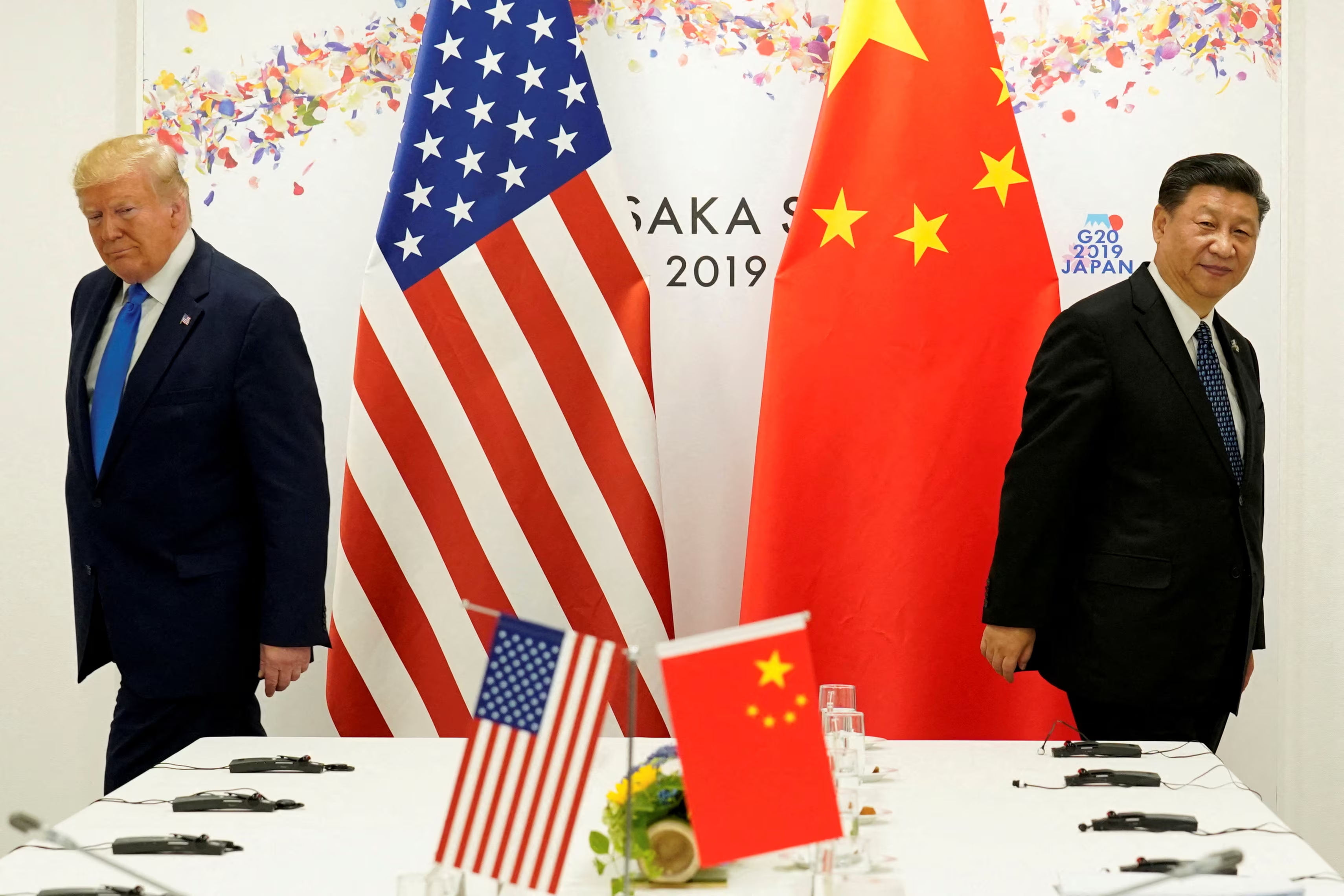
A New Front in the U.S.–China Economic Battle
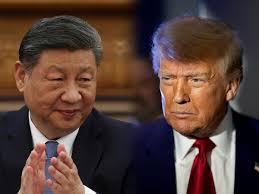
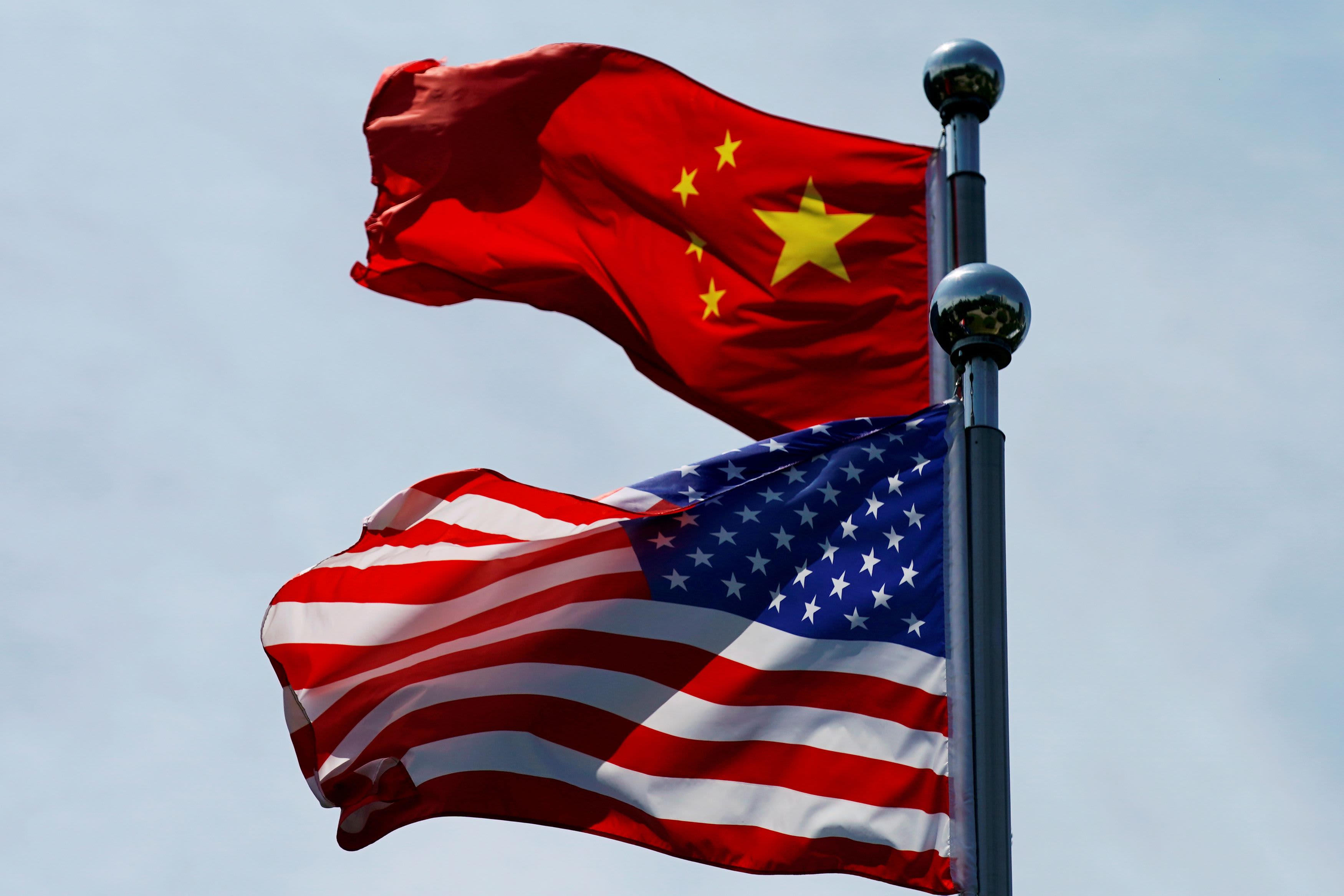
In a bold and highly controversial move, U.S. President Donald Trump announced on October 10 that his administration will impose a 100% additional tariff on all imports from China, effective November 1. The decision comes as a direct response to China’s reported plan to strengthen export controls on rare earth materials, a critical component in the global technology and defense industries.
Trump made the announcement through a post on his social media platform, signaling a new phase in the long-standing trade rivalry between the world’s two largest economies. The U.S. president accused China of using its dominance in the rare earth supply chain as a geopolitical weapon, saying that America “will no longer tolerate unfair trade practices and strategic manipulation.”
Rare Earths: The Silent Power of the 21st Century
Rare earth elements are essential for manufacturing semiconductors, electric vehicles, smartphones, and military technologies such as radar and missile systems. China currently controls over 70% of global rare earth production and refining capacity.
By tightening export restrictions, China could significantly impact global supply chains, causing price surges and production delays worldwide.
Trump’s move to double tariffs aims to counteract what Washington perceives as economic coercion. “If they restrict exports of rare earths, we’ll restrict their access to our markets—100%,” Trump declared.
Tech Restrictions to Follow
In addition to tariffs, Trump announced that the United States will impose export restrictions on key American-made software used in high-tech manufacturing, including chip design and AI development tools. This step could have a ripple effect across global technology companies that rely on cross-border collaboration between U.S. and Chinese firms.
Experts warn that this could deepen the technological divide between the two nations. “What we’re witnessing is not just a trade dispute—it’s the fragmentation of global technology ecosystems,” said an analyst at a Washington-based think tank.
Global Impact and Industry Reactions
Markets reacted sharply to the news, with Asian and European stocks falling amid fears of a renewed trade war. U.S. manufacturing associations expressed concern that the tariffs could raise costs for American businesses and consumers. However, some sectors, particularly domestic mining and technology firms, welcomed the move as an opportunity to rebuild U.S. supply chains and reduce dependence on China.
Economists note that both sides have much to lose. While the tariffs could hurt Chinese exporters, they could also drive inflation in the United States, especially in electronics, automobiles, and clean energy sectors—all of which rely heavily on imported Chinese components.
The Political Message Behind the Tariff
Trump’s announcement also carries a political undertone as he positions himself as a defender of American industry and national security ahead of the next election season. His tough stance on China has been a consistent theme throughout his political career, appealing to voters who view China as America’s greatest economic rival.
However, some observers caution that the escalation could backfire. “A full-blown trade war will harm both economies,” said one former U.S. trade official. “Cooperation, not confrontation, is the only path to stability.”
As November approaches, all eyes are on Beijing’s next move. Whether China will retaliate with further restrictions or seek negotiation remains uncertain—but one thing is clear: the U.S.–China economic conflict has entered an even more volatile chapter.