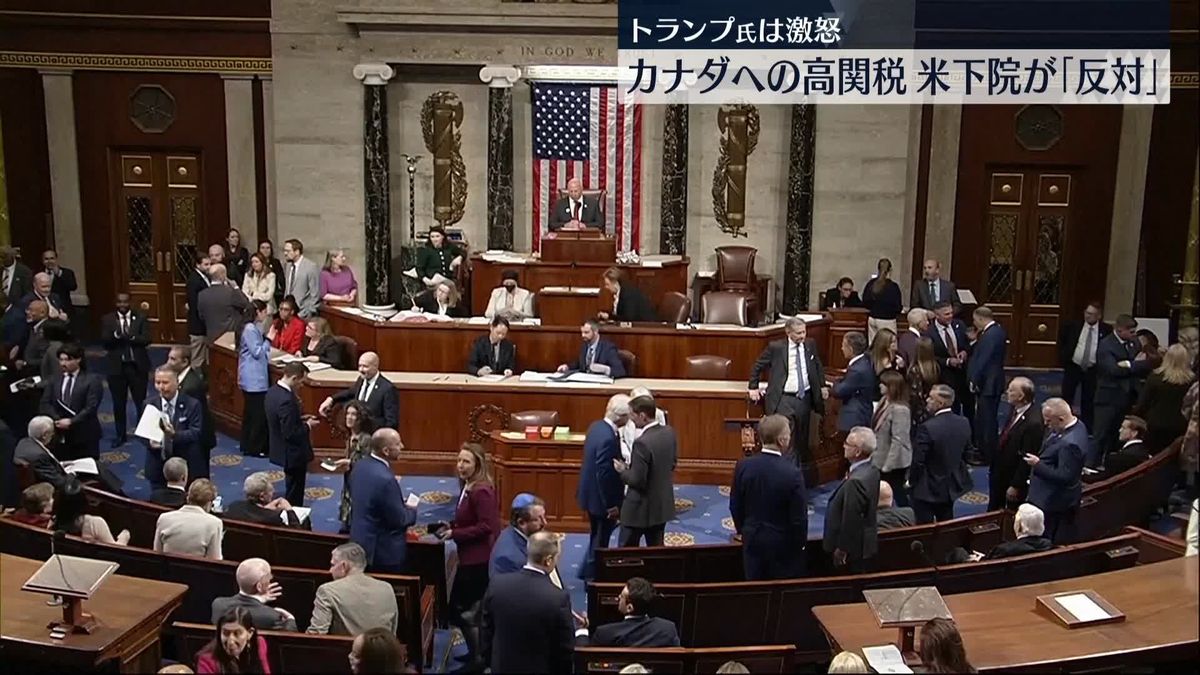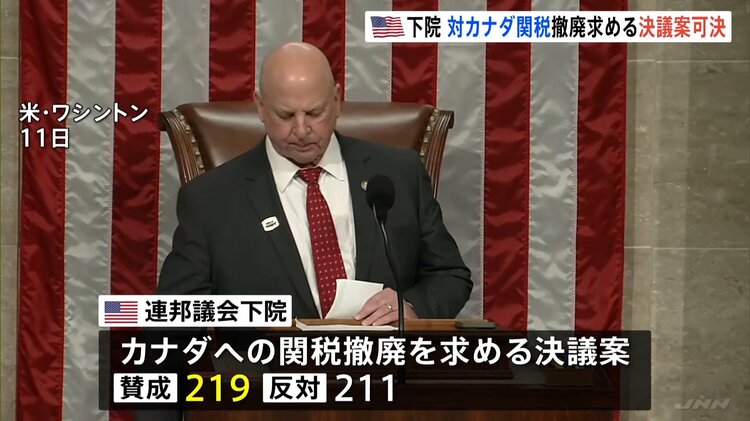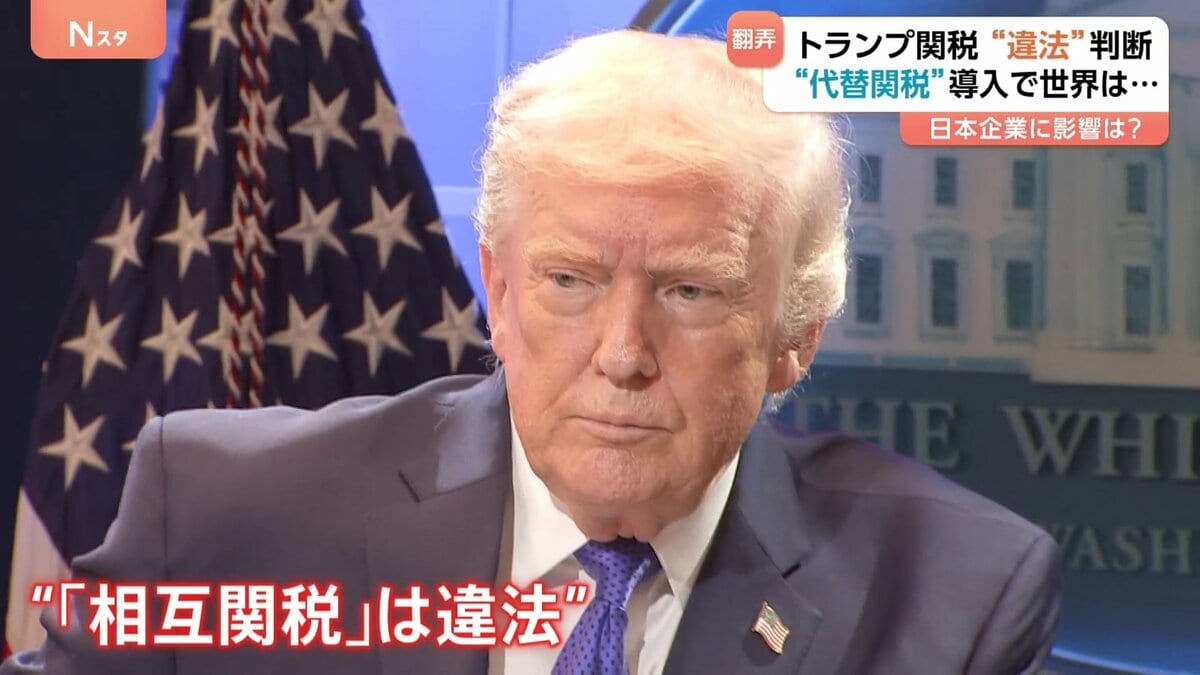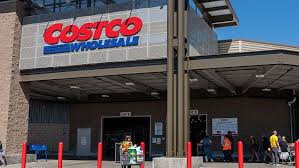
Costco Wholesale has filed suit against the U.S. government in a bid to guarantee it can recover duties it paid under President Donald Trump’s added tariffs if the Supreme Court ultimately declares those levies unlawful. The move places one of America’s largest retailers among a growing cohort of companies seeking to safeguard refund rights as the high court weighs a sweeping challenge to the use of emergency presidential powers to impose extra duties on goods from a wide range of U.S. trading partners.
Retail Giant Joins Expanding Wave of “Protective” Lawsuits
Court records show that since late October, Costco has become one of dozens of companies to file challenges contesting the legal basis for the added tariffs, which were assessed after the administration invoked emergency authority. Until now, the litigation push had largely been led by smaller businesses and Democratic state officials, making Costco’s entry a significant escalation in both corporate scale and public attention. The company did not disclose how much it has paid under the tariffs, and as of the first of the month, it had not responded to requests for comment.
Costco’s attorneys, in a filing submitted to the U.S. Court of International Trade on November 28, argued that the case was necessary because of uncertainty about whether any Supreme Court ruling invalidating the tariffs would automatically entitle all affected importers to refunds. By filing suit now, the company aims to preserve its place in line—and its legal right to reimbursement—should the duties be struck down.
Supreme Court’s Fast-Track Review Adds Urgency
The Supreme Court held oral arguments on November 5 on the legality of the added tariffs and has agreed to expedite consideration of the case, though it has not indicated when a decision might come. The accelerated timeline reflects the potential for significant economic and legal consequences depending on the outcome, including broad effects on supply chains, consumer prices, and federal customs revenue.
In the absence of clarity about the timing or scope of a ruling, businesses of varying sizes have been filing similar suits to protect refund eligibility. Trade lawyers often advise importers to file so-called “protective” cases in the Court of International Trade to avoid being shut out by procedural rules, statutes of limitations, or administrative protest requirements if a legal sea change occurs later. Costco’s suit aligns with this approach: it does not rehash every statutory argument being tested before the Supreme Court but instead ensures the company’s own claim is properly preserved.
White House Warns of “Immense” Economic Fallout
The White House responded forcefully to the legal maneuvering. In a statement, spokesperson Desai said that if the Supreme Court fails to uphold what the administration calls the president’s lawful tariffs, the economic ramifications would be immense—an argument underscored, in the administration’s view, by the sheer number of protective lawsuits now surfacing. “The White House expects a swift and appropriate decision from the Court,” the statement added.
Supporters of the tariffs maintain that they provide critical leverage in trade negotiations, protect domestic industries from unfair practices, and help secure supply chains deemed vital to national interests. Critics counter that the duties amount to a tax on U.S. businesses and consumers, contribute to inflationary pressures, and test the limits of executive power in trade—an area where Congress has traditionally held the purse strings and the right to levy taxes.
At Stake: The Scope of Executive Power and Billions in Duties
The legal questions reach beyond any single product category or trading partner. The case probes how far a president can go under emergency authorities to reconfigure tariff schedules without fresh congressional authorization, and how courts should police those boundaries. It also implicates the broader architecture of U.S. trade law, which blends congressional statutes with delegated powers that allow the executive branch to respond quickly to perceived economic threats or foreign policy challenges.
Tariffs imposed under emergency or national-security rationales have long drawn litigation, but the breadth and duration of recent surcharges have intensified scrutiny. If the Supreme Court narrows the scope of the president’s discretion or deems the specific measures at issue unlawful, the fallout could include not only future limits on tariff policymaking but also potentially large-scale refunds for importers that properly preserved claims. Trade practitioners note that, historically, refund eligibility often hinges on whether plaintiffs navigated the procedural hurdles in time, which explains the recent surge in filings by companies seeking not to be left behind.
Why Costco’s Move Matters
For a mass-market retailer like Costco, which sources a significant share of merchandise from global suppliers, tariff shifts can ripple across pricing, margins, and inventory planning. While Costco has not publicly quantified its exposure in this case, the company’s participation signals that the stakes are not limited to niche or small-scale importers. Large retailers often balance consumer sensitivity to price with the complexity of long-term contracts and hedging strategies; a refund of previously paid duties could flow through to improved margins, investment capacity, or price adjustments, depending on market conditions and competitive dynamics.
More broadly, a victory for plaintiffs could prompt intense industry debate over who ultimately benefits from refunds—importers, suppliers, or consumers—and whether any gains could be eroded by adjustments elsewhere in the supply chain. On the fiscal side, substantial refunds would reduce federal customs receipts, a nontrivial consideration for budget projections, even if such revenue swings are a known volatility in trade policy.
Possible Outcomes and Next Steps
The Supreme Court could uphold the tariffs in full, strike them down outright, or issue a more nuanced ruling that narrows executive authority while sending specific questions back to lower courts. Any decision that opens the door to refunds would likely trigger a follow-on process at Customs and Border Protection and the Court of International Trade to determine the mechanics: who is eligible, how far back claims can reach, and what documentation is required. Companies that filed protective suits would be better positioned to move quickly, which is precisely why filings have accelerated ahead of a ruling.
Regardless of the outcome, the case is poised to clarify a fundamental constitutional tension: the line between Congress’s power over tariffs and taxation and the president’s latitude to act swiftly under broadly worded statutes in moments labeled as emergencies. That boundary-setting will have implications beyond the current duties, shaping how future administrations approach trade leverage, national security rationales, and economic statecraft.
A Test of Policy, Law, and Market Reality
For the business community, the litigation highlights a basic reality: tariff policy is not merely a diplomatic tool but a direct cost with consequences for pricing and planning. For policymakers, it is a test of how far the executive can stretch delegated powers without new legislation. And for the courts, it is an opportunity to delineate the limits of emergency authority in an era when global trade disruptions and geopolitical tensions have become more frequent.
As the Supreme Court deliberates, companies like Costco are hedging legal risk just as they hedge supply risk—by acting early. Whether that strategy pays off will depend not only on the justices’ reading of the statutes but also on the practical, downstream decisions about refunds that may follow. For now, the race to preserve claims underscores a shared conviction across boardrooms and courtrooms: when the rules of trade are in flux, the cost of waiting can be higher than the cost of filing.