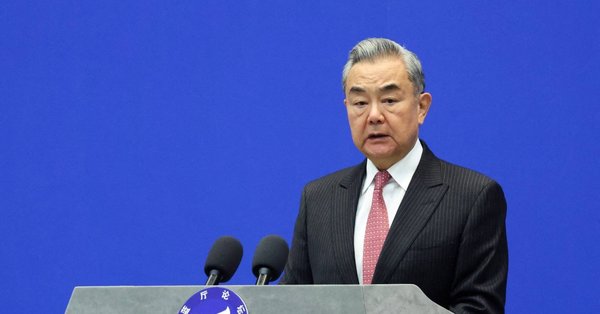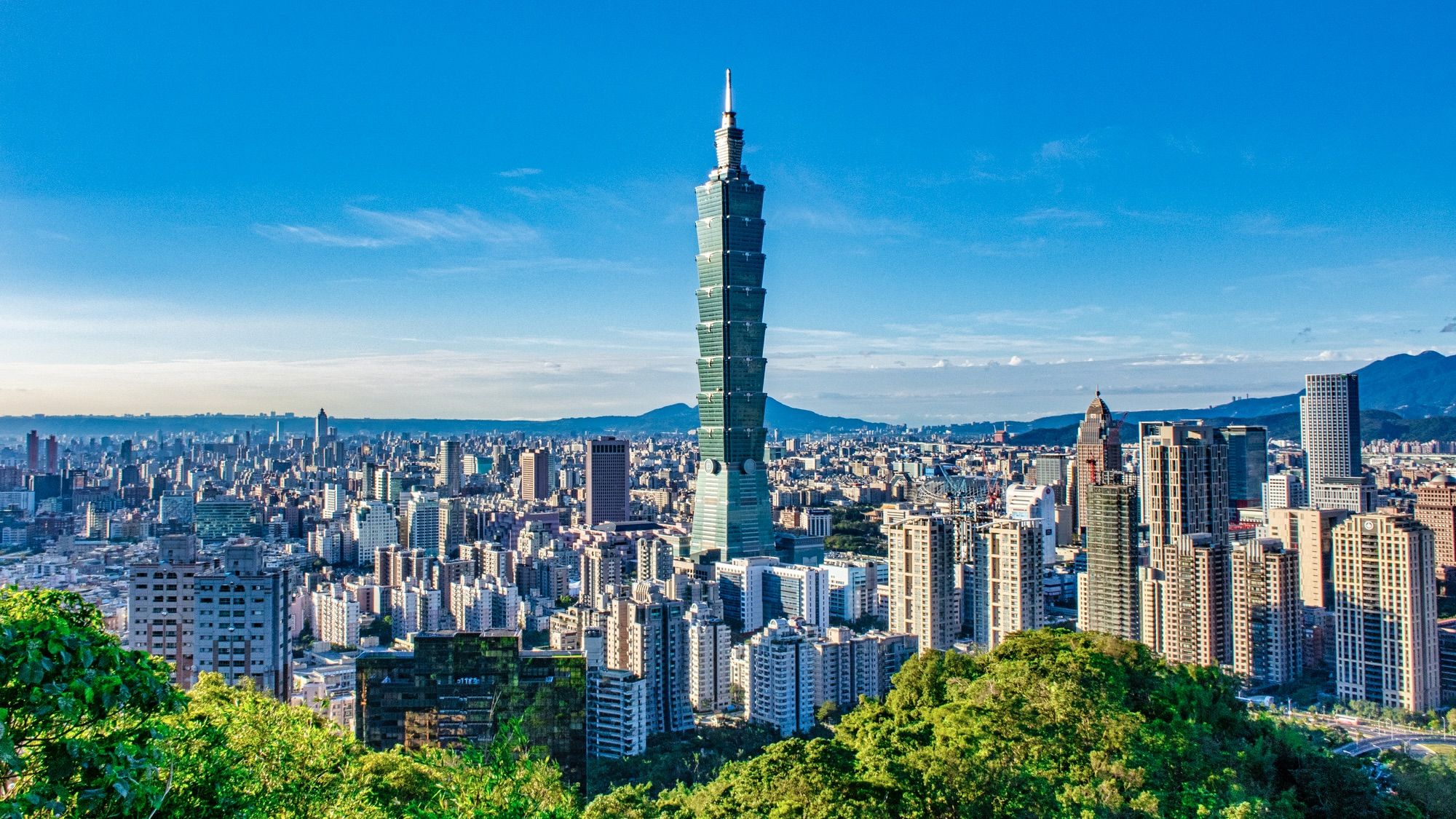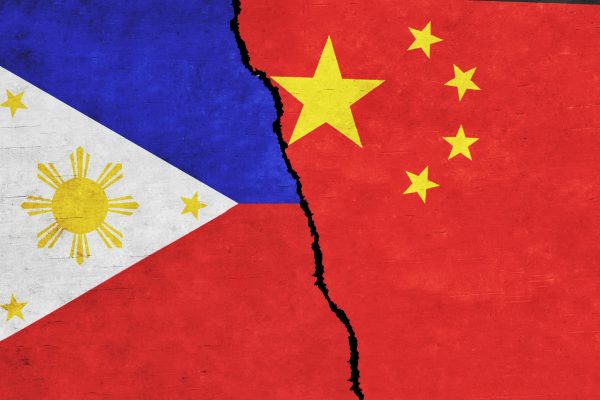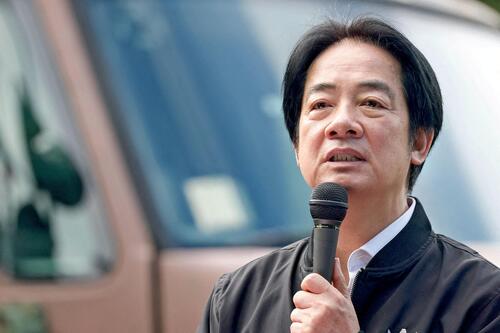
Taiwan’s President Lai Ching-te (William Lai) warned that a Chinese annexation of Taiwan would not stop Beijing’s territorial ambitions, adding that Japan, the Philippines and other Indo-Pacific nations could be exposed to greater risk. Lai’s comments, delivered in an interview with AFP and released by Taiwan’s Presidential Office on the 12th, came with a pledge to strengthen Taiwan’s defense. China’s Foreign Ministry pushed back the same day, labeling Lai a “destroyer of peace” and arguing that moves toward “Taiwan independence” are the root cause of tensions across the strait.
A direct warning—and a vow to deter
In his remarks, Lai said that even if China were to annex Taiwan, Beijing would not pause external expansion and would “only become more aggressive.” He framed Taiwan’s defense as integral to broader regional stability, underscoring that deterrence and preparedness are essential to avoid miscalculation. Taiwan has accelerated reservist reforms, invested in asymmetric capabilities, and deepened cooperation with democratic partners—steps Lai signaled will continue.
Beijing’s rebuttal
Responding at a regular press conference on the 12th, a Chinese Foreign Ministry spokesperson condemned Lai’s comments, asserting that his stance undermines peace and stability in the Taiwan Strait. Beijing maintains that Taiwan is part of China and has increased military, coast guard and air activity around the island in recent years. The war of words highlights the sharp divide between Taipei’s push for resilience and Beijing’s insistence that the political status of Taiwan is an internal matter.
Why Japan is listening
Japan sits less than 200 kilometers from Taiwan at their closest points, with the Ryukyu island chain—including Okinawa—stretching across key sea lanes. Stability in the Taiwan Strait is vital to Japan’s economy: a large share of its energy supplies and trade flows through surrounding waters. Tokyo has repeatedly stated that peace and stability across the strait is indispensable for international security. Any escalation would reverberate through shipping, aviation, and global supply chains that Japan helps anchor.
Semiconductors are a prime example. Taiwan is a global leader in advanced chips, and Japan has moved decisively to bolster its own resilience, partnering with Taiwanese and domestic firms. The new TSMC facility in Kumamoto, built with strong Japanese industry support, is a concrete step to diversify and secure critical technology—illustrating how Taiwan’s security connects directly to Japan’s industrial strength and innovation agenda.
Japan’s evolving security posture
In recent years, Japan has undertaken its most significant defense recalibration in decades. Tokyo’s updated National Security Strategy emphasizes deterrence, the development of counterstrike capabilities, and a plan to increase defense spending toward around 2% of GDP by fiscal year 2027. The U.S.–Japan alliance has grown more integrated, with expanded joint exercises around Japan’s southwest islands and tighter coordination on maritime domain awareness. Thousands of Japanese nationals live in Taiwan and across the region, and contingency planning—covering civilian protection, logistics, and evacuation—is a clear priority for Japanese authorities.
Japan’s Coast Guard also faces sustained pressure in the East China Sea, where Chinese vessels frequently operate near the Senkaku Islands—territory administered by Japan. While separate from the Taiwan issue, these tensions shape Tokyo’s strategic calculus: a crisis in one theater could quickly spill into another. Japan’s message is consistent and measured—deterrence, diplomacy, and the rule of law, combined with steady investment in resilience.
Regional alignment: Philippines and beyond
Lai’s warning specifically named the Philippines alongside Japan, reflecting mounting concern over coercive actions in the South China Sea. Tokyo and Manila have deepened cooperation, including a new defense access framework agreed in 2024 to enable closer training and logistics. The U.S.–Japan–Philippines trilateral coordination, elevated in 2024, underscores shared interests in keeping sea lanes open, upholding international law, and responding to gray-zone challenges without escalation. For Japan, a networked approach—spanning the United States, Australia, the Philippines, and other partners—complements its “Free and Open Indo-Pacific” vision.
What to watch next
Attention now turns to activity around the Taiwan Strait and East China Sea: the tempo of Chinese military flights and naval patrols; Taiwan’s defense reforms; and the scale of allied exercises. Economic security will remain in focus as Japan advances its chip strategy, critical minerals policies, and supply-chain partnerships—with Taiwan central to each. Diplomacy is not standing still either. Crisis hotlines, confidence-building steps, and continued talks among regional partners could help lower risks, even as deterrence is strengthened.
Japan’s interests are clear and constructive: prevent conflict, protect vital sea lanes and citizens, and uphold a rules-based order that supports stability and prosperity. Lai’s remarks will resonate in Tokyo not as a call to confrontation, but as a reminder of what is at stake—and why quiet, steady preparation remains Japan’s most credible path to peace.