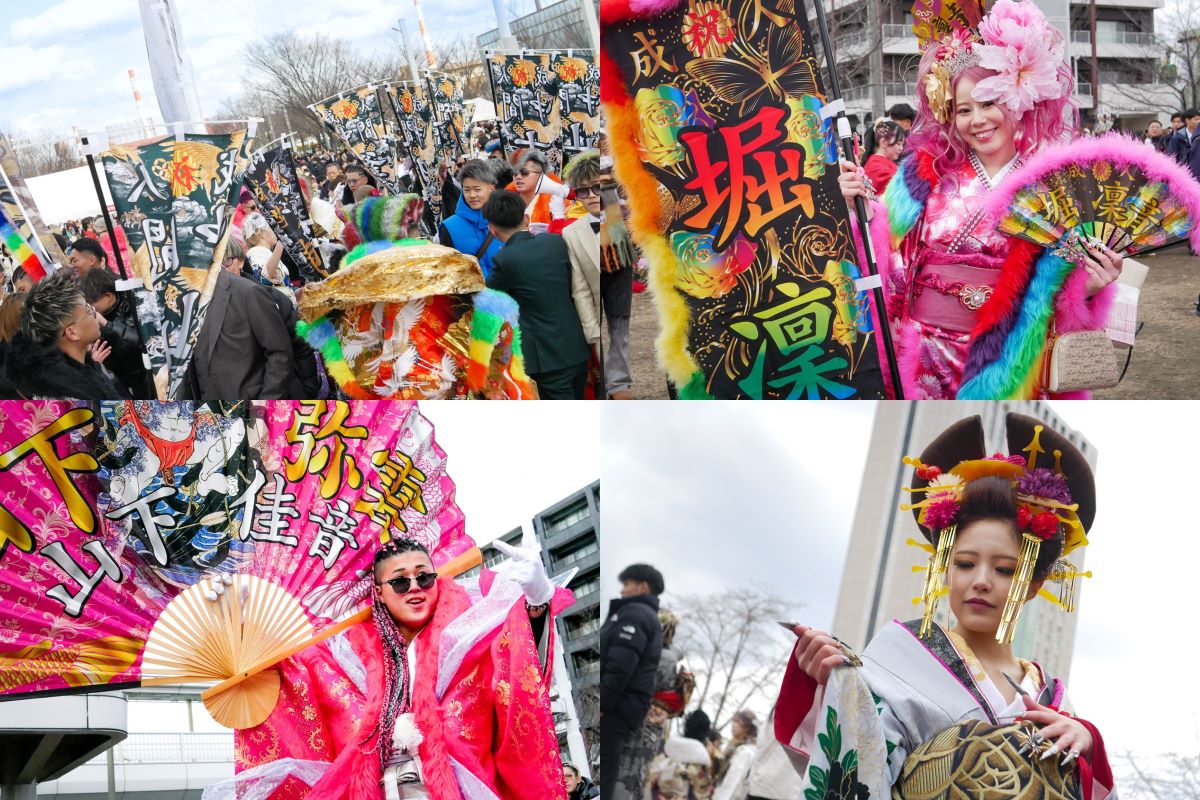
On the eve of Japan’s Coming-of-Age Day holiday, cities and towns across the country marked the milestone with ceremonies honoring residents turning 20. Among them, Kitakyushu—the industrial port city in Fukuoka Prefecture—once again stood out, staging a celebration famed for its exuberant fashion, where participants arrived in dazzling, custom-crafted outfits that blended tradition, personal flair, and unabashed spectacle.
A national rite with local flair
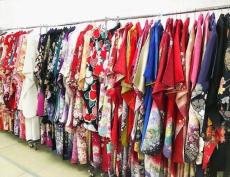
Coming-of-Age Day is a modern civic ritual rooted in centuries-old traditions that celebrate the transition from youth to adulthood. While the legal definition of adulthood in Japan shifted from 20 to 18 in 2022, many municipalities now purposefully center their ceremonies on 20-year-olds, rebranding them as “20-year gatherings” to preserve a shared cultural moment at an age when most young people are further along in studies, work, or community life. Across the country, young women often wear furisode—formal long-sleeved kimonos—while men may don hakama, suits, or culturally expressive attire. But Kitakyushu has long made a statement: in this city, the ceremony is also a runway, where bold color palettes, oversized patterns, ornate hairpieces, and custom tailoring take the spotlight. The mood is celebratory, defiant, and ultimately communal.
“The highlight is the snake”: voices from the day
At the stadium-turned-ceremonial hall, a host’s congratulations echoed—“To everyone shining brightest today, congratulations!”—as newly minted 20-year-olds posed for photos and greeted old classmates. Among them were those whose attire intentionally pushed boundaries. “The highlight is definitely the snake,” one participant said, pointing out the motif woven into their outfit. “From here on, I want to give back to my family.” Another would-be adult looked straight into a camera: “Thank you, Dad and Mom. And thanks to everyone around me who supported me.” These small, heartfelt declarations—gratitude to relatives and a newfound sense of responsibility—were as common as the more flamboyant flourishes.
From local streets to Paris’s runways
Kitakyushu’s “flashy” aesthetic has gradually become a cultural export. Two years ago, looks inspired by the city’s coming-of-age fashion were showcased at Paris Fashion Week—known in Japan as the Paris Collection—introducing global audiences to a phenomenon long familiar to locals. What began as a distinctive regional expression has been reframed as a form of folk couture: personal, place-based, and unapologetically theatrical. For a city living in the shadow of postwar steelworks and modern logistics hubs, building a reputation around youthful creativity and fashion-forward self-expression sends a message: local identity can be industrial and imaginative at once.
Why 20 still matters
Japan’s legal milestone for adulthood may now be 18, but turning 20 remains culturally resonant. At 20, people in Japan can legally drink alcohol and smoke—rites of passage that remain bundled with broader ideas about social responsibility and independence. Schools, employers, and local governments typically find that a 20-year ceremony better aligns with the practical arc of youth: after high school, many 18-year-olds are still transitioning into university, vocational training, or early work life. By 20, they are a step closer to their own identities. The ceremony is a chance to reconnect with peers, encounter local leaders, and symbolically accept civic responsibilities—voting, volunteering, and participating in community life.
Tradition meets reinvention
Kitakyushu’s event captures a tension that resonates widely in Japan: the pull between formal tradition and the desire to stand out. The city’s outfits often riff on classic elements—sashes, embroidery, and family motifs—while inviting modern reinterpretation through custom fabrics, contemporary hair and makeup, or accessories that reference music, sports, and street fashion. This year’s ensembles ranged from richly embroidered cloaks to vividly dyed kimonos and tailored suits with metallic accents, always calibrated for the wide-angle lens. Social media amplifies the effect, turning the ceremonial plaza into a global stage, and in doing so, it encourages local artisans and rental shops to push the envelope in design and styling.
Economics of a spectacle
Behind the glamour is a busy ecosystem. Kimono rental companies prepare months in advance, seamstresses add custom ornamentation, salons book dawn appointments, and photographers set up portable studios to capture the moment before participants disperse to family gatherings and class reunions. The business has ripple effects—florists, transportation services, and restaurants all see a surge. For a regional city navigating demographic headwinds, these ceremonies generate not only civic pride but also a measurable economic boost. The attention from international fashion circles has reinforced the value of local craftsmanship, encouraging apprenticeships and creative collaborations that keep heritage skills alive.
Managing the growing pains
Kitakyushu’s flamboyant twist on the occasion has, at times, been controversial. Over past decades, some criticized the spectacle as too loud or at odds with the solemnity of adulthood. But the city’s response has been largely pragmatic: channel the energy into official proceedings, collaborate with community groups, and emphasize respect alongside expression. In recent years, event organizers have focused on balancing festivity with decorum—ensuring that vibrant outfits share the stage with moments of reflection, messages from educators and alumni, and reminders of community service and safety. The result is a more inclusive ritual that celebrates individuality while reinforcing belonging.
A day of gratitude and resolve
If the clothes catch the eye, the sentiments voiced by participants leave a lasting impression. In interviews, many emphasized gratitude to parents and mentors and a desire to contribute—recurring themes that anchor the spectacle in something deeper. The young person pointing out a “snake” motif or an elaborate hairpiece is, in the same breath, acknowledging debts to family and vowing to repay them. For all the flash, the subtext is maturity: a public declaration that adult life means both self-expression and responsibility.
More than a fashion moment
Kitakyushu’s ceremony is not just about photographs or viral clips. It is a modern ritual that affirms community ties, showcases local creativity, and gives a generation a space to define what adulthood looks like for them. In a Japan grappling with shrinking birthrates and changing social norms, such civic events matter. They provide continuity, offer economic opportunity, and encourage young people to be seen and heard in the place they call home. From the Paris runway back to neighborhood streets, the message is consistent: culture flourishes when communities make room for tradition and reinvention to stand side by side.
As night falls on the eve of Coming-of-Age Day, the glitter settles, the photo albums fill, and the city’s newest 20-year-olds head off to dinners with family and friends. Tomorrow they will return to classes and jobs, shedding the borrowed silk, the sequins, and the spotlight. But the feeling—of having stepped forward together, under the gaze of their community—lingers. In Kitakyushu, that feeling is stitched into the fabric of the city itself.