A coastal hobby meets a safety and sustainability test
Local governments across Japan are grappling with how to manage a rapid rise in recreational spearfishing—known domestically as “sakanatsuki” when using a handheld spear called a yasu—after the pastime surged during the pandemic and gained visibility through popular TV programs. While the boom has drawn new enthusiasts to Japan’s clear coastal waters, it has also led to safety incidents with sightseeing vessels, complaints from professional fishers, and allegations of poaching of high-value shellfish. Prefectures are now exploring tailored rules to balance leisure, livelihoods, and marine stewardship—a characteristically Japanese, community-led approach to managing shared resources.
A Tottori incident prompts action
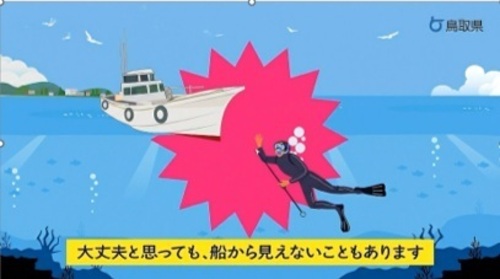
In Iwami, Tottori Prefecture—renowned for transparent waters—authorities began reviewing spearfishing rules after a July 2023 collision offshore between a sightseeing boat and a man free-diving with a yasu left the diver with a fractured toe. The boat’s captain told local media he had not realized someone was in the water amid choppy conditions. Initially, Tottori considered a prefecture-wide prohibition under its Fisheries Adjustment Commission guidelines. But after surveying residents in September, officials noted that 15 of 26 responses urged caution against an outright ban. The prefecture shifted to a safety-first path: codify “keep out of navigation routes,” improve visibility, and build shared etiquette.
New pilot: register before you dive
From fiscal 2026, Tottori plans to trial a pre-entry notification system for anyone using a yasu, requiring names and contact details to be submitted to the prefecture before entering the water. By late April this year, authorities had already received 22 voluntary filings as they tested the paperwork and messaging. The consent form includes commitments such as “move away when a vessel is sighted.” Mandatory notification is under consideration for fiscal 2027. To help newcomers, Tottori also released an animated explainer on its official YouTube channel in April, outlining basic safety and coexistence tips for the coast.
Patchwork by design: local seas, local rules
Because Japan’s coastal management is set at the prefectural level, responses differ—by design. The Fisheries Agency’s Management and Coordination Division says regulations should reflect “regional realities,” calling a one-size-fits-all national rule inappropriate. Tokushima Prefecture moved earlier and, in December 2021, prohibited spearfishing via a Fisheries Adjustment Commission directive after requests from fishing stakeholders. A 2022 prefectural survey found six fisheries cooperatives reported disputes with visitors and eight reported poaching of species such as abalone. Nagasaki Prefecture, responding to etiquette complaints and safety concerns, clarified in 2024 that power-enhanced spears propelled by rubber rebound mechanisms are “not permitted” under its fisheries rules.
Enthusiasts seek to build trust
Japan’s recreational community has begun self-organization. The Japan Sport Spearfishing Association, formed in recent years amid the boom, promotes use of high-visibility floats with flags—so divers can be seen easily from boats—and runs coastal cleanups. “We want to meet fishers halfway,” a representative said, arguing that better visibility, etiquette, and education will reduce risk and friction. On the ground in Tottori, one 44-year-old office worker who has spearfished for about five years says he avoids early mornings when commercial boats are active and dives midday to ease conflicts. The message: coexistence is possible with consideration and clear rules.
Know the law: what is a yasu—and what isn’t
A yasu is a long-shafted hand spear topped with one or multiple sharp prongs used to thrust and dispatch fish or shellfish. Crucially, many coastal areas are covered by fishery rights; taking protected species without authorization is illegal. Devices that project a spear—such as gun-like spearguns (mori)—are, as a rule, not allowed for recreational use in Japan. Travelers and new residents should check local ordinances, designated zones, and protected species lists before entering the water.
Why it matters for visitors and expats
For foreign residents and tourists drawn to Japan’s world-class snorkeling and diving, the policy trend is clear: safety, traceability, and respect for working coasts. Expect more emphasis on permits or notifications, visibility gear (floats and flags), and time-and-area restrictions. The upside is a safer, more predictable experience that protects local livelihoods and marine ecosystems—a pragmatic, consensus-driven model that Japan often uses to steward shared spaces.
The road ahead
As coastal use intensifies, experts note that “the right to play in the sea and the right to make a living from it” inevitably intersect. Hokkai Gakuen University fisheries economist Takeshi Hamada says durable coexistence will likely rely on clubs and associations to set and enforce their own codes, earning fishers’ trust. With Tottori testing notifications from FY2026 and other prefectures tightening equipment standards, Japan is signaling a cooperative path: educate first, standardize locally, and act decisively against poaching—keeping its iconic coastal waters inviting, productive, and safe.