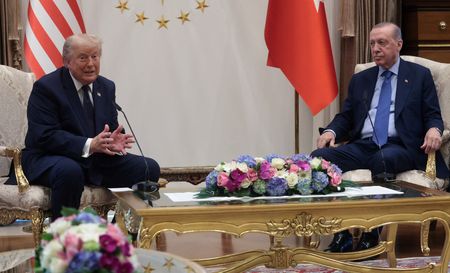
Tokyo — Former U.S. President Donald Trump said on July 7 he hopes the war in Ukraine can be resolved “quickly,” revealing he held separate phone calls with Russia’s Vladimir Putin and Ukraine’s Volodymyr Zelensky. Speaking on the sidelines of a NATO leaders’ gathering in Turkey after talks with Turkish President Recep Tayyip Erdogan, Trump described his conversation with Putin as “very good” and “lengthy,” and said he spoke with Zelensky immediately afterward. He suggested both sides “want an agreement,” adding he hopes a resolution can come sooner rather than later. Trump and Zelensky are expected to meet on July 8 at the summit, where the Ukrainian leader has flagged urgent discussions on air defense as Russia intensifies ballistic missile attacks.
What Trump said — and why it matters now
Trump’s comments, reported on July 7, come at a delicate moment in the war. Ukraine is pushing Western allies for more advanced air defense systems to blunt missile and drone barrages that continue to target cities and infrastructure. The United States and European allies have expanded support since 2022, while Turkey has often played a go-between role with Russia and Ukraine on issues like grain shipments and prisoner exchanges. Against this backdrop, the suggestion that both Putin and Zelensky “want an agreement” will be parsed carefully for signs of a potential diplomatic opening — or an attempt to shape the narrative around negotiations.
Zelensky’s priority: Air defense under fire
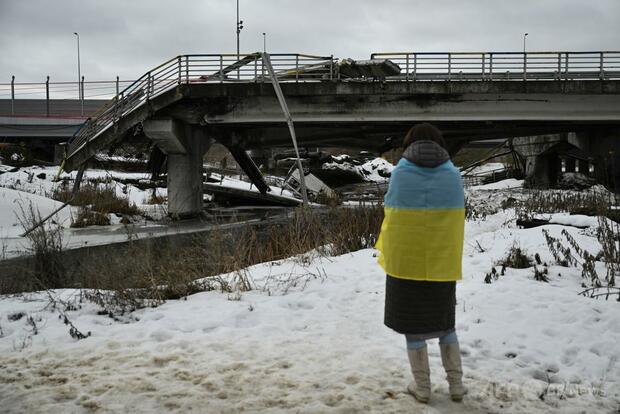
Ukraine’s leadership signaled on July 7 that air defense is at the top of the agenda. Kyiv has repeatedly called for more interceptors and systems to defend against ballistic and cruise missiles, pointing to the need to protect civilians, the power grid, and industrial sites. Any new air defense commitments that emerge from the NATO meetings could influence the tempo of fighting and Ukraine’s ability to safeguard daily life and economic activity through the winter and beyond.
Where Japan fits in
Although Japan is not a NATO member, Tokyo is a close partner of the Alliance and a steadfast supporter of Ukraine. The Japanese government has imposed sanctions on Russia, delivered extensive humanitarian and financial assistance to Kyiv, and rallied G7 unity — notably hosting President Zelensky at the G7 Hiroshima Summit in 2023 and convening a major Japan–Ukraine Economic Reconstruction Conference in Tokyo in 2024 that mobilized Japanese companies for power, transport, and demining projects. Consistent with its pacifist constitution, Japan has emphasized non-lethal aid and reconstruction, while coordinating closely with the United States and Europe on export controls and energy security.
Why a “quick resolution” would resonate in Japan
Any credible step toward de-escalation would bring immediate benefits for Japan’s economy and households. Lower geopolitical risk often eases pressure on global energy and grain prices — crucial for an import-dependent country where fuel and food costs shape the cost of living. Japanese manufacturers and SMEs exposed to European supply chains would gain clarity, while financial markets — sensitive to war headlines — could see improved stability. A fair and durable peace would also reinforce the rules-based order Japan champions in the Indo-Pacific, where respect for sovereignty and opposition to coercion remain core principles.
For residents and expats in Japan
Foreign professionals, students, and entrepreneurs in Japan are watching closely too. Stable markets support hiring and investment, including in infrastructure, energy efficiency, and advanced manufacturing — areas where Japanese firms are active in both domestic upgrades and Ukraine reconstruction planning. Japan has also provided support to displaced Ukrainians, and local communities across the country have mobilized language, housing, and job assistance. Any diplomatic breakthrough that reduces violence could accelerate structured reconstruction programs, creating opportunities for Japan-based talent and companies with the language, engineering, and project-management skills needed on the ground.
What to watch next
All eyes are on the planned Trump–Zelensky meeting at the NATO summit on July 8 and any readouts hinting at concrete steps. Signals to watch include: announcements on air defense deliveries or timelines; language on potential ceasefire frameworks; and coordination among NATO members and partners, including Japan, on sanctions enforcement, energy resilience, and reconstruction finance. For now, Trump’s claim that both leaders “want an agreement” is noteworthy — but the path from intent to implementation is long, and the specifics of any deal remain undisclosed. Tokyo, for its part, will continue to pair principled diplomacy with practical support for Ukraine’s recovery, reflecting Japan’s broader commitment to stability in Europe and the Indo-Pacific alike.