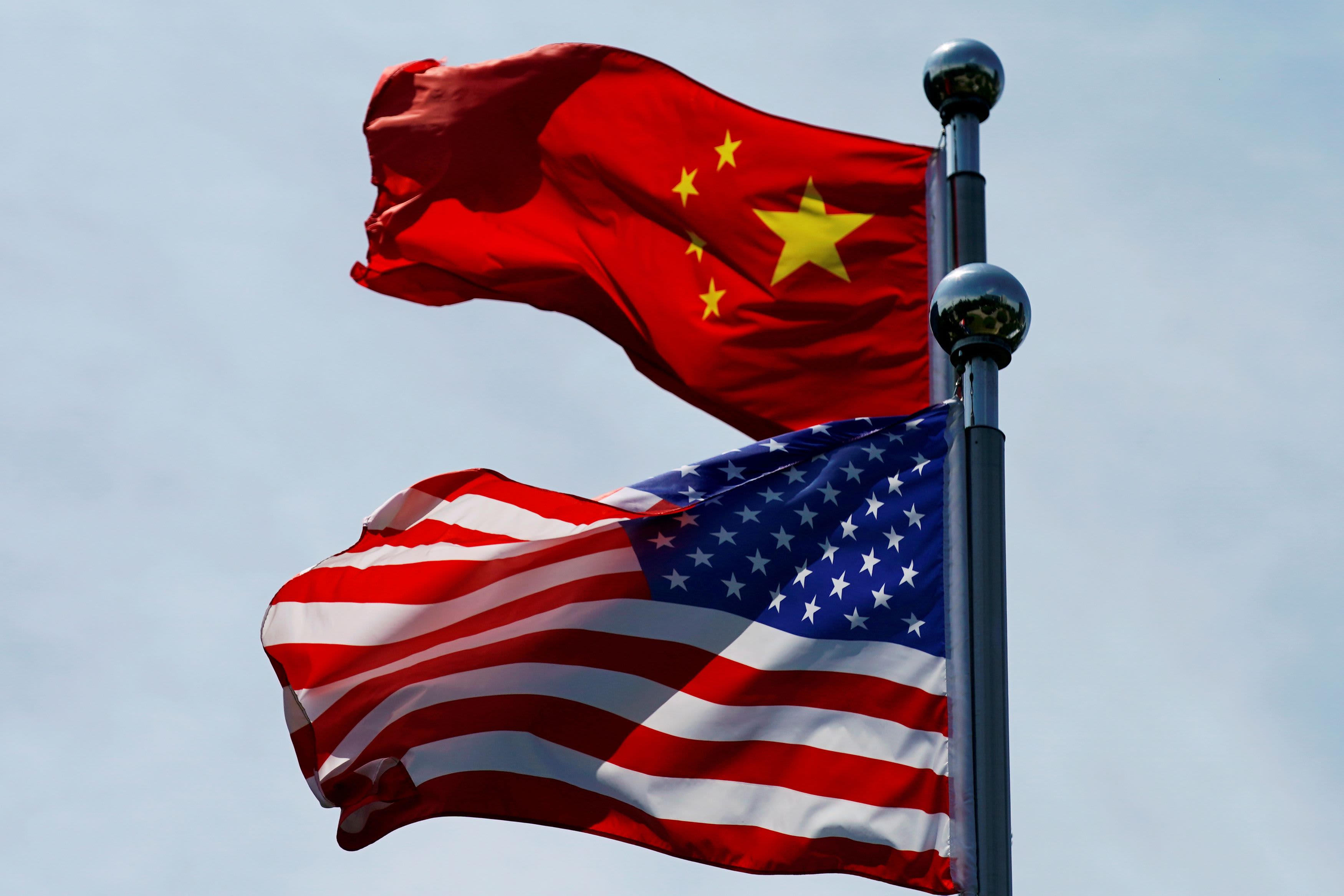
Tensions in global trade are escalating as the United States has urged fellow G7 nations to consider raising tariffs on China and India, specifically targeting their purchases of Russian crude oil.
The proposal was put forward by US Treasury Secretary Janet Yellen during a teleconference of G7 finance ministers on September 12th. The move is seen as part of broader efforts to tighten the economic noose on Russia and limit the funding it receives for its war in Ukraine.
China's Forceful Rebuttal
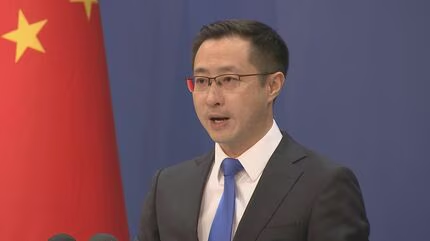
China's Foreign Ministry responded with sharp criticism on September 15th. Spokesperson Lin Jian condemned the US proposal, labeling it \"typical bullying and economic coercion\" that \"seriously violates international economic and trade rules.\"
Lin defended China's energy cooperation with Russia and other nations as \"legal,\" reiterating China's \"objective and fair position\" on the Ukraine conflict and its role in promoting peace talks. The spokesperson strongly hinted at potential retaliatory measures should the tariff hikes be implemented.
Strained Trade Talks
The dispute casts a shadow over ongoing US-China trade talks that began on September 14th in Madrid, Spain. The purchase of Russian oil was expected to be a key topic on the agenda. However, with China's firm and public rebuke of the US stance, finding common ground appears increasingly difficult.
The G7, which includes Canada, France, Germany, Italy, Japan, the UK, and the US, has not yet issued a unified response to the US proposal. The situation underscores the complex geopolitical and economic challenges facing world leaders as they navigate the aftermath of the Ukraine invasion and its impact on global markets.