A decade-long suspension of comprehensive United Nations sanctions on Iran is set to end, with the measures scheduled to reactivate after diplomatic efforts to salvage the nuclear deal reached a dead end. The move signals a major escalation in tensions.
The 'Snapback' Mechanism Triggered
European powers (the E3: UK, France, and Germany) initiated the process to restore sanctions a month ago, citing Iran's failure to meet its obligations under the nuclear agreement, known as the Joint Comprehensive Plan of Action (JCPOA). Despite a last-minute gesture from Iran allowing some International Atomic Energy Agency (IAEA) inspectors access, Western nations deemed it insufficient. A resolution to delay the snapback failed at the UN Security Council.
What the Sanctions Mean
The reinstated sanctions, effective from 00:00 GMT on September 29, will impose a global ban on transactions with individuals, companies, and organizations involved in Iran's nuclear program and ballistic missile development. They are designed to exert significant economic pressure on Tehran.
International Divisions and Iranian Response
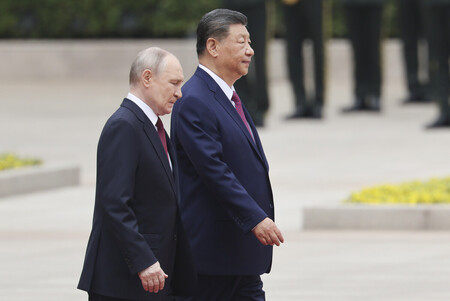
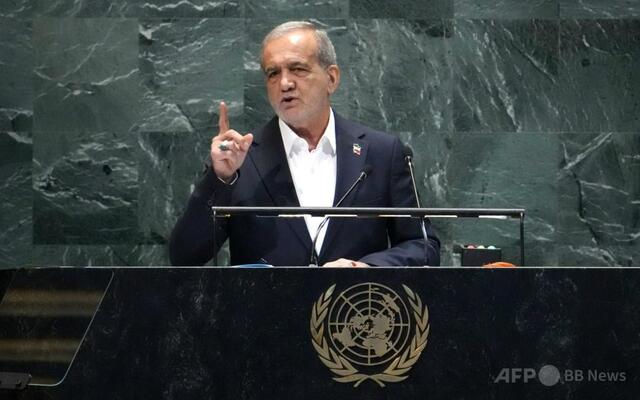
The move is not without controversy. Russia and China, which opposed the snapback, have indicated they may not enforce the sanctions, considering them 'invalid.' Iran has retaliated by summoning the ambassadors of the E3 nations. Iranian President Masoud Pezeshkian accused Israel and the U.S. of trying to overthrow his government and reiterated that Iran does not seek nuclear weapons. The situation sets the stage for a period of heightened uncertainty and potential confrontation.