Tokyo — Iran’s President Masoud Pezeshkian declared that Tehran will not yield to Israel or the United States, even as he apologized to neighboring countries for recent Iranian strikes and pledged to halt further attacks unless Iran is targeted from their territory. The remarks, carried by Iran’s state television and reported by AFP/Jiji, come as the latest Middle East confrontation enters its second week and as Iran navigates a sensitive leadership transition at home.
What Pezeshkian said
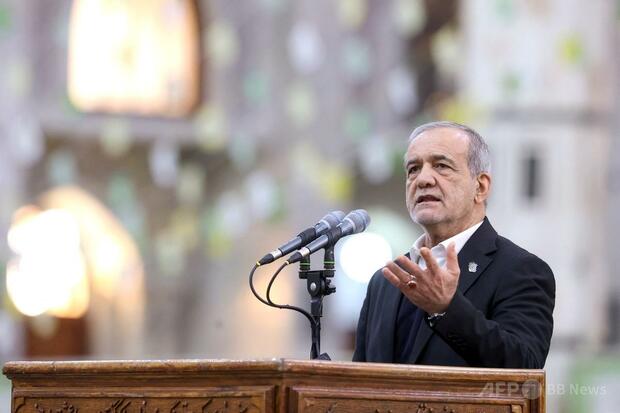
In a nationally broadcast address, President Pezeshkian warned that Iran’s adversaries would “take the wish for Iran’s unconditional surrender to their graves,” signaling a posture of strategic defiance. At the same time, he issued a rare apology to states in the Gulf region affected by Iranian strikes and offered a conditional pause: no further missile launches at neighbors unless attacks on Iran are initiated from their soil. According to the report, an interim leadership council has agreed to this stance, underscoring an attempt by Tehran to balance deterrence with de-escalation toward regional capitals.
Apology and a conditional halt
Pezeshkian’s message combined hard-edged rhetoric with diplomatic signaling. His apology acknowledges the collateral risk to Gulf states amid wider confrontation, while the declared restraint—contingent on security assurances—appears aimed at reducing the likelihood of a multi-front escalation. The statement invites neighboring governments to tighten control over any third-party operations launched from their territory, positioning Iran’s restraint as reciprocal.
Background and contested context
The speech follows a tumultuous period. AFP/Jiji reporting, citing Iranian state media, frames these remarks against a backdrop of intensified confrontation and leadership uncertainty inside Iran. Internationally, claims and counter-claims about responsibility and intent remain politically charged and difficult to independently verify in real time. What is clear is that the region sits on a knife-edge: any miscalculation could draw in additional actors and jeopardize critical energy routes that power Asian economies.
Why this matters to Japan
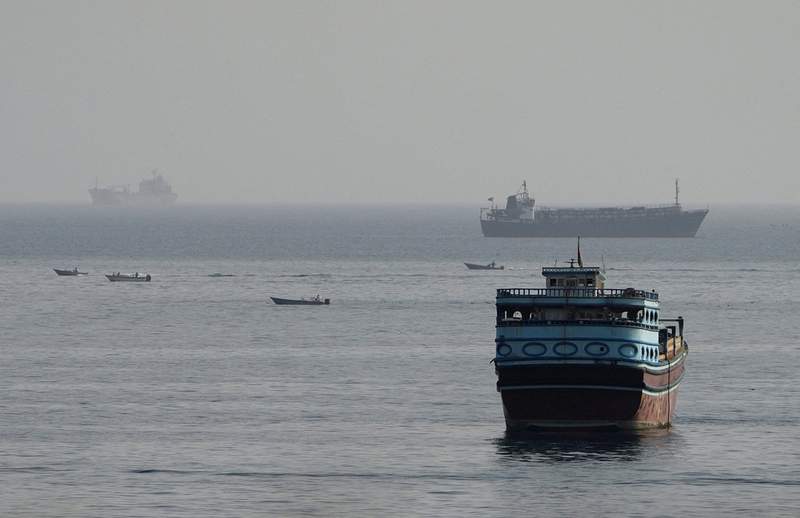
Japan, a U.S. ally with a long tradition of quiet, balanced diplomacy in the Middle East, depends heavily on crude oil shipments from the Gulf. While Japan halted imports of Iranian crude under U.S. sanctions, more than 90 percent of Japan’s oil still comes from the broader Middle East. Any conflict ripple across the Strait of Hormuz—through which a significant share of the world’s oil and liquefied natural gas flows—poses immediate risks for Japan’s energy security, shipping insurance costs, and corporate supply chains.
Tokyo has consistently championed dialogue and de-escalation. In recent years, Japan deployed Maritime Self-Defense Force assets to conduct information-gathering in nearby sea lanes to help keep commercial traffic safer. Japanese leaders have maintained communication channels with both Gulf partners and Tehran, seeking practical reductions in risk amid great-power tensions. This steady, bridge-building approach—valued in the region—positions Japan as a credible advocate for restraint at moments like this.
Japan’s diplomatic footprint and humanitarian focus
Japan’s foreign policy emphasizes humanitarian assistance, rule-based navigation, and crisis de-escalation. Tokyo has provided aid to civilians affected by conflict in the region and supported international efforts to stabilize vital trade routes. Should risk levels rise, Japan has established mechanisms to coordinate with partners on maritime security, contingency planning for nationals, and energy market stabilization. These capabilities reflect Japan’s quietly effective, solutions-first diplomacy.
Markets, business, and energy resilience
Japanese markets react quickly to oil-price spikes, with potential knock-on effects for transportation, manufacturing, and household energy costs. The government and private sector have spent years strengthening resilience—diversifying suppliers where possible, maintaining strategic petroleum reserves, and improving efficiency. A credible pause in regional escalation, if upheld, would help keep freight, insurance, and fuel costs in check for Japanese consumers and firms. Conversely, renewed strikes or maritime incidents could reprice risk across Asia.
What to watch next
Key signals for Japan and the wider region include: whether Iran’s conditional restraint holds; the responses of Gulf neighbors; any shifts in maritime security advisories for the Gulf of Oman and Arabian Sea; and diplomatic activity by Tokyo, Washington, and European capitals. For now, Pezeshkian’s dual track—defiance toward adversaries, conciliation toward neighbors—may open a narrow window to reduce immediate spillover risks. Japan, with its reputation for calm engagement and practical aid, will continue to support efforts that keep energy lifelines open and civilians safe—an approach that serves both regional stability and the daily lives of people in Japan.