Tokyo stocks slide as geopolitical risk spikes
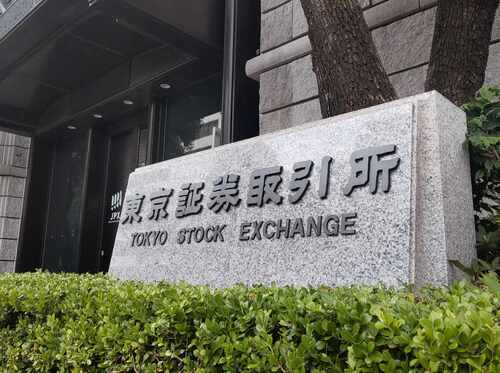
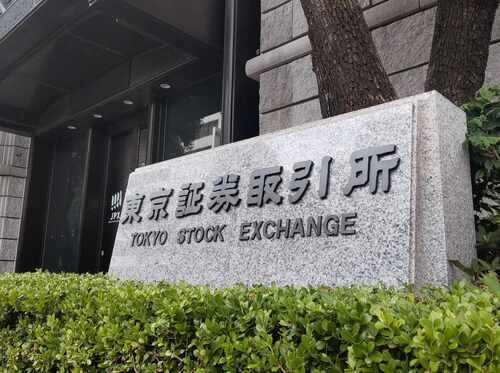
Tokyo’s stock market fell sharply on Tuesday, with the Nikkei 225 closing down 1,778.19 points, or 3.06%, at 56,279.05. It was the second straight day of losses and the seventh-largest decline by points on record, underscoring how swiftly rising geopolitical risk can chill sentiment. The broader TOPIX lost 126.25 points, or 3.24%, to 3,772.17, while more than 90% of Tokyo Stock Exchange Prime listings finished lower.
What triggered the selloff
Markets reacted to reports of U.S. and Israeli military strikes on Iran and indications that shipping through the Strait of Hormuz—the vital chokepoint for global crude flows—was effectively halted. Media also reported that U.S. President Donald Trump suggested the possibility of further large-scale action, amplifying concerns that tensions could persist. With oil prices jumping, investors moved quickly to de-risk, pricing in the prospect of higher input costs, margin pressure, and a potential drag on consumer spending worldwide.
Sectors under pressure
Auto makers, energy-related names, and airlines led declines on the day. While oil producers can sometimes benefit from higher crude, Japan’s market is heavily populated by refiners, transporters, and industrials exposed to fuel costs and supply uncertainty. Airlines retreated on the twin fears of pricier jet fuel and possible route disruptions. The breadth of selling reflected a rapid shift from risk-taking to capital preservation.
Profit-taking after a powerful rally
The setback follows a powerful run-up. Since the start of the year through last week, the Nikkei had gained more than 8,000 yen, pushing into record territory. That strength, supported by robust corporate earnings, governance reforms, shareholder returns, and interest from global investors, left the market vulnerable to a bout of profit-taking once geopolitical risk spiked. In short, today’s drop combined a genuine macro shock with a technical excuse to lock in gains.
Why this matters for Japan—and why resilience still stands out
Japan is a major importer of energy, and the Strait of Hormuz handles a significant share of global crude and LNG shipments. Any disruption can ripple through fuel prices, logistics, and inflation. Even so, Japan brings meaningful buffers: strategic petroleum reserves, diversified LNG contracts, a globally competitive manufacturing base, and companies with solid balance sheets and expanding dividends. These fundamentals have drawn long-horizon investors to Tokyo’s market during the past two years. The Bank of Japan’s careful normalization path, alongside ongoing corporate governance improvements and rising share buybacks, continues to support a constructive medium-term outlook.
Global context for overseas readers
For expats, students, and professionals in Japan, the near-term implications are practical as well as financial: higher energy costs can influence electricity bills, petrol prices, and airfare. Currency moves—often tied to risk appetite and rate differentials—could affect remittances and purchasing power. Yet Japan’s policy framework is well-practiced in handling external shocks, and authorities typically engage quickly with industry to smooth supply chains. Historically, periods of volatility have also created entry points in high-quality Japanese names, especially exporters with pricing power and firms accelerating governance reforms.
What to watch next
Investors will track developments in the Middle East, the direction of oil prices, shipping insurance costs, and any signs of supply rerouting. Domestically, attention turns to company guidance, capital allocation plans, and the yen’s path. Should tensions ease, the focus may shift back to Japan’s structural strengths—earnings momentum, shareholder returns, and an improving investment climate—that have made Tokyo one of the most closely watched markets in the world this cycle.