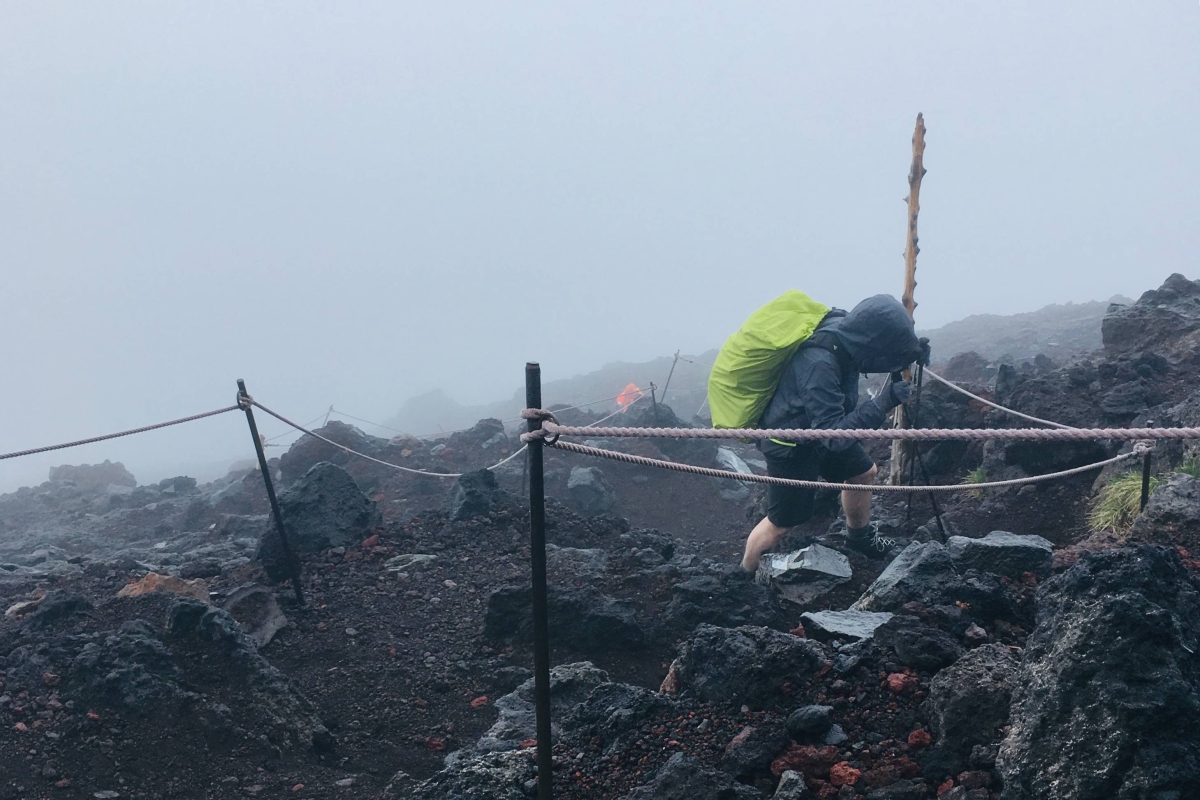
This summer, Mount Fuji saw a significant decrease in climbing accidents and rescues, a positive shift attributed to new regulations and a heightened awareness among climbers. Both Yamanashi and Shizuoka prefectures, which manage the different ascent routes, reported fewer incidents compared to previous years.
New Rules for a Sacred Mountain
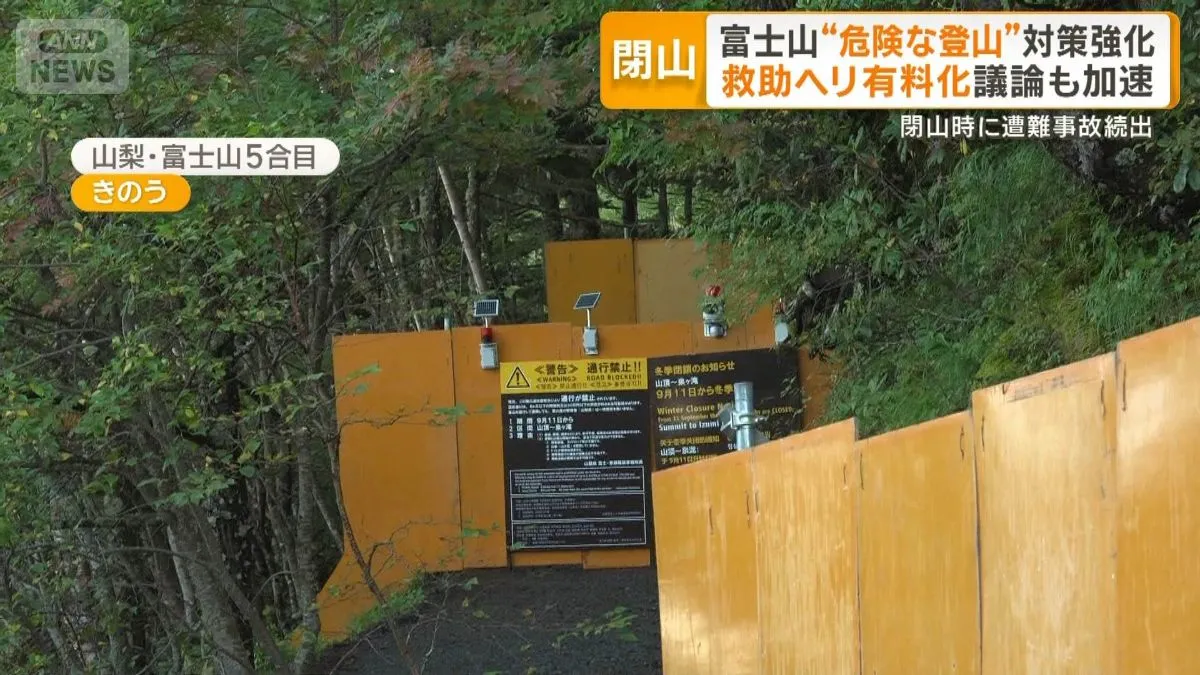
In response to issues like ill-equipped hikers and dangerous 'bullet climbs' (attempting to summit overnight), authorities implemented stricter measures. Shizuoka Prefecture introduced a 4,000 yen climbing fee and restricted entry between 2:00 PM and 3:00 AM. Yamanashi Prefecture, which started regulations a year earlier, also adjusted its gate closure time to 2:00 PM and empowered its 'Fuji Rangers' to turn away inadequately prepared climbers.
A Noticeable Difference on the Trails
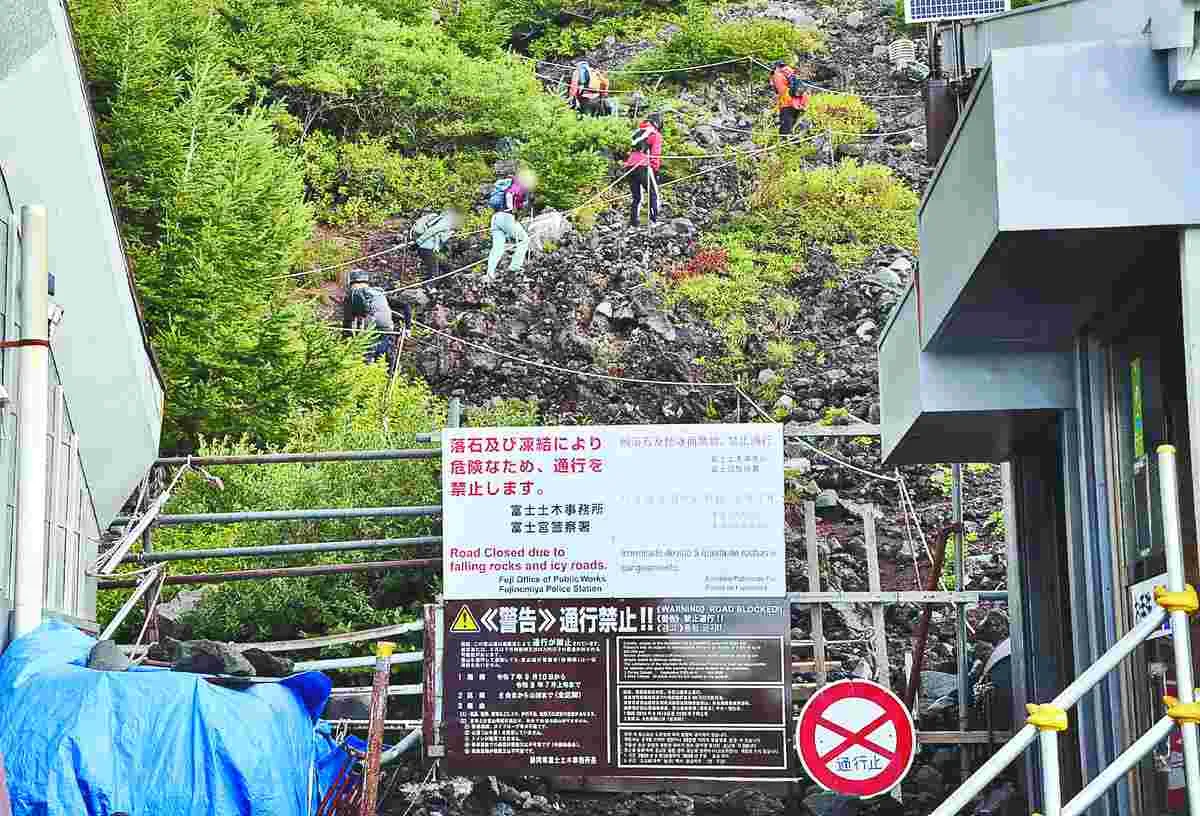
The results were promising. Shizuoka reported 36 rescue incidents, down 17 from the previous year, with the number of people rescued falling by 28 to 36. Notably, there were zero fatalities for the first time in three years. Yamanashi also saw a continued decline in accidents. While officials are cautious about drawing a direct causal link, they acknowledge a tangible change. One local government official noted, 'We have a real sense that climbers' awareness has increased.' Regular climbers confirmed seeing fewer people in inappropriate footwear like sandals on the treacherous volcanic gravel slopes.
Balancing Access and Safety
The new measures represent an effort to preserve both the safety of visitors and the environment of Japan's most iconic peak. The consensus is that the fees and time restrictions have encouraged better preparation and deterred risky, impulsive climbs. This season's success suggests that a managed approach, combining education and regulation, is key to ensuring Mount Fuji remains a challenging yet safer experience for all.