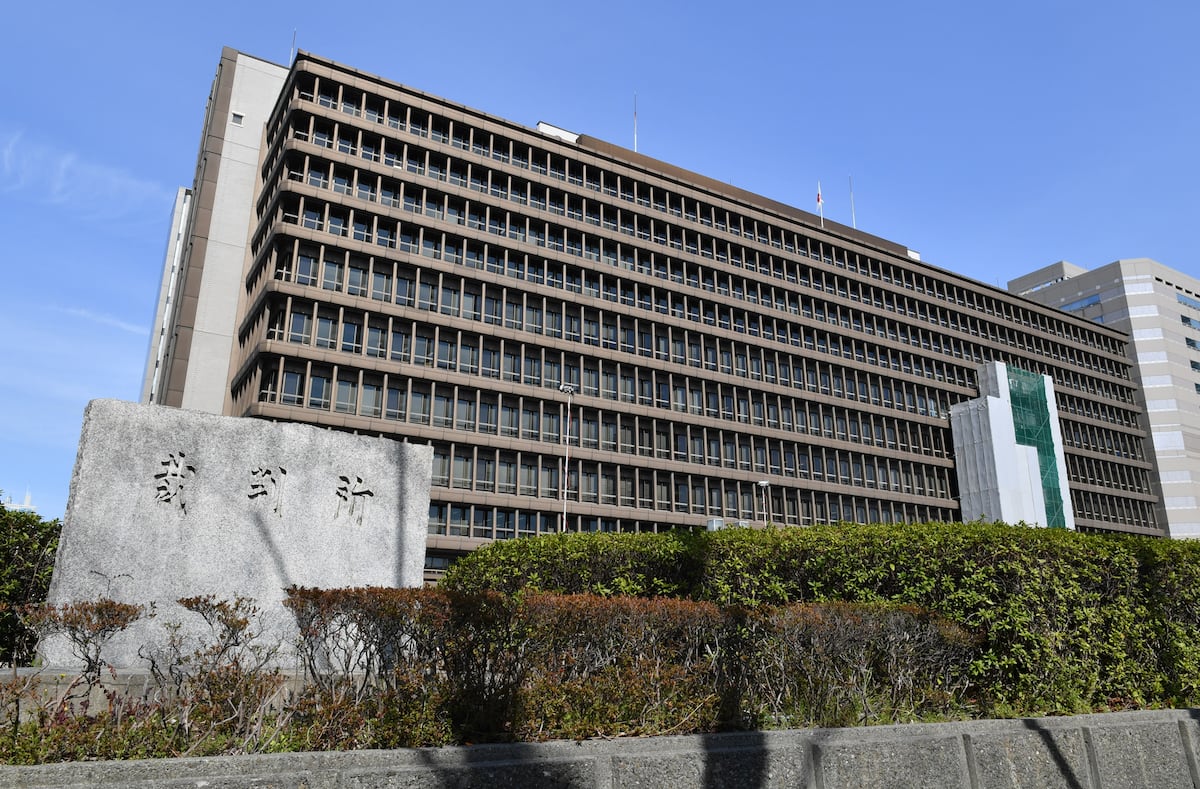
Hokkaido case heads to court with national attention
The trial of 23-year-old defendant Riko Uchida is set to begin on May 25 in Asahikawa, Hokkaido, in a case that has gripped Japan with its mix of alleged social media grievance, late-night violence, and a fatal fall from a riverside bridge. Prosecutors have charged Uchida with murder, confinement, and non-consensual indecency resulting in death after a 17-year-old high school student died in April 2024. A closed pretrial conference was held on the 3rd to narrow the issues ahead of the hearings, a standard step in Japan’s increasingly streamlined criminal procedure designed to focus trials on the core disputes.
What prosecutors allege
According to the indictment, the dispute began when the teenager allegedly used, without permission, a photo of Uchida eating ramen on social media. Prosecutors say Uchida confronted the student, forcibly kept her in a vehicle for roughly four hours, and assaulted her. At a bridge in the Kamui Kotan area on the outskirts of Asahikawa—a scenic but rugged stretch along the Ishikari River—the girl was made to sit on the railing and apologize while being filmed. The indictment contends that hostile words were directed at the victim and that she ultimately fell from the bridge into the river, leading to her death.
Key legal questions for the court
In the pretrial session, the court outlined the central issues for adjudication: whether Uchida’s actions constitute the direct execution of murder; whether she acted with intent to kill; whether there was a conspiracy with an alleged accomplice; whether there is a causal link between the non-consensual indecency charge and the death; and, should there be convictions, what sentence is appropriate. These are classic points in serious Japanese criminal cases, where courts carefully parse actus reus, mens rea, and causation under the Penal Code.
Defense position
Uchida’s attorney, Kazuhiro Yaegashi, says the defendant denies committing any act of pushing the victim from the bridge and contests the murder charge. At the time of her arrest, Uchida reportedly told authorities she had “left the girl on the bridge,” and prosecutors have not publicly clarified her current plea. The defense is expected to focus on whether there was a direct act causing the fall and whether intent to kill can be proven beyond a reasonable doubt.
Co-defendant already sentenced to 23 years
This case has an additional layer: a woman who was 19 at the time of the incident was tried separately by the Asahikawa District Court and, in March 2025, received a 23-year prison sentence for confinement, murder, and non-consensual indecency resulting in death. In that lay judge (citizen-juror) trial, she testified that the victim faced the river, stretched out her arms and took a deep breath, and that when the teenager leaned forward, it was Uchida who pushed her. The now-older co-defendant is scheduled to testify as a witness in Uchida’s upcoming trial, setting up a pivotal credibility contest for the court to weigh.
Understanding Japan’s legal context
Japan’s justice system combines professional judges with citizen lay judges (saiban-in) in the most serious criminal cases, including murder. Pretrial arrangement sessions—like the closed conference on the 3rd—are used to narrow disputed facts and legal issues so that trials proceed efficiently and transparently. The charge of “non-consensual indecency resulting in death” reflects reforms Japan adopted in 2023 to strengthen laws against sexual violence and clarify the definition of consent. While Japan remains one of the world’s safest countries with a very low homicide rate, rare and tragic cases such as this draw intense scrutiny and typically prompt thorough judicial review. Anonymity for minors is strictly observed, underscoring Japan’s victim protection norms.
Why this matters—at home and to the international community
For residents and international observers—expats, students, and travelers—the Asahikawa case offers a close look at how Japan investigates and prosecutes complex violent crime. The proceedings will likely highlight how digital disputes can escalate offline, and how courts assess intent, causation, and the reliability of cooperating witnesses. The heavy sentence already imposed on the co-defendant signals the seriousness with which Japanese courts treat coordinated acts that result in a loss of life. At the same time, the presumption of innocence remains paramount for Uchida until the court reaches a verdict.
Timeline and what to watch next
The court has set the first hearing for May 25, with a verdict expected on June 22. Observers will watch for: the co-defendant’s testimony and how it stands up under cross-examination; any video or digital evidence from the bridge scene; forensic analysis linking actions to the fatal fall; and judicial reasoning on whether the elements of murder—particularly the existence of a direct act and intent—are met. As Hokkaido’s second-largest city balances the shock of a rare violent crime with the calm, methodical workings of its justice system, this trial will test witness credibility and the boundaries of legal responsibility in a case that began with a social media dispute and ended in tragedy.