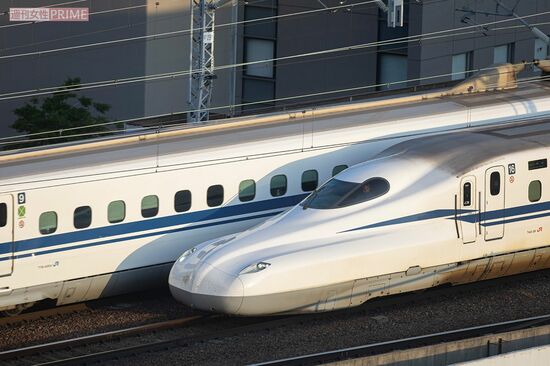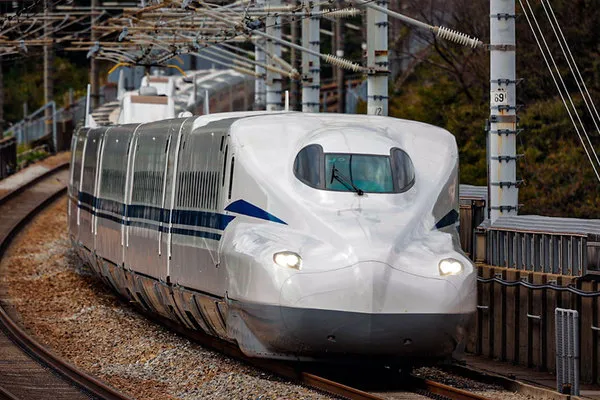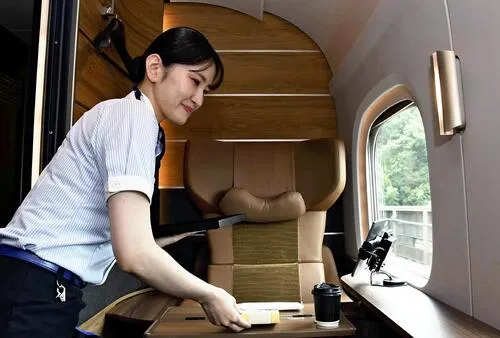
A high-priced “conductor switch” offered by a specialty railway-goods store inside JR Shinagawa Station has become a lightning rod on X (formerly Twitter), after the shop revealed that not a single person entered its lottery-style sale on launch day. The episode has sparked a surprisingly nuanced debate within Japan’s passionate railfan community: Was the price unrealistic, or a justified anti-scalper strategy for a scarce, official Shinkansen collectible?
The Item and the Plan: A Taste of the Shinkansen Conductor’s World
The store at the center of the storm is BLUE BULLET, a dedicated railway merchandise shop located inside the Tokaido Shinkansen North Gate ticketed area at JR Shinagawa Station in Tokyo. Operated by JR Tokai Retailing Plus—an affiliate of Central Japan Railway Company (JR Central), which runs the iconic Tokaido Shinkansen—the shop frequently spotlights official products for rail enthusiasts. On February 4, the store’s official X account (@plus_trainshop) announced with fanfare: “We’re selling a conductor switch!” The post framed the item as a rare chance to “feel like a Shinkansen conductor,” referring to the switch used by conductors to open and close train doors.
BLUE BULLET planned a limited, in-person lottery sale of just 13 units, capping purchases at one per person. The price tag was set at ¥69,320 (roughly US$460–$470, depending on the exchange rate). The process was straightforward: the store would hand out lottery tickets on the morning of February 11 near the coin lockers by the Shinkansen North Gate, draw winners the same day, and allow only those selected to buy the item.
Launch Day Turns into a Non-Event
On the morning of February 11, BLUE BULLET posted that it was actively distributing lottery tickets at the designated spot and welcomed would-be buyers. Then, about 50 minutes later, came the anticlimax: the store wrote that zero lottery tickets had been taken. With no entries, the in-person sale was canceled, and the shop said it would reschedule the sale for a later date. The admission of “0” applicants—rare for a high-profile Shinkansen-themed good—immediately lit up social media, transforming a dropped launch into a national talking point within minutes.
“Too Expensive” vs. “Smart Against Scalpers”
Reactions online were fast and unvarnished. Many users argued the price overshot the market: “It’s too expensive,” “The pricing is too aggressive,” “Who has seventy-thousand yen to spare for that?”, “This feels like a rip-off,” “Unprecedented,” “No way it sells at ¥70,000,” and “Who on earth would buy at that price?” Another wrote, “They don’t understand parts collectors,” while others quipped that “of course there were zero buyers.” Several simply asked what many were thinking: “Why is it priced this way?”
But a counter-current of opinion quickly emerged. Some argued the initial price was actually reasonable for a niche, officially sanctioned part tied to the Shinkansen brand. Others speculated that a lower price would have triggered a familiar pattern: “If they had priced it low from the start, scalpers might have bought everything and flipped it at a huge mark-up.” Still others noted a perennial truth in the collectibles world: “It’s hard to price decommissioned railway items.”
Pricing a Piece of the Shinkansen Is Never Simple
At first glance, ¥69,320 is a striking ask for what sounds like a switch. Yet in Japan’s rail memorabilia market, authentic hardware and signage can command substantial sums. Station name boards, destination blinds, cabin plates, and even train seating have historically sold out within minutes at railway surplus events across the country. JR companies and private railways alike have seen spirited demand for retired components, often aided by lotteries and in-person controls to prevent resellers from sweeping the table.
Even so, context matters. If the item is a full switch assembly with wiring, safety modifications, cleaning, and documentation, that can add costs. If it’s an authentic component associated with the Tokaido Shinkansen—one of the most storied rail services in the world—the intangible value may be significant. However, the store did not publicly detail the parts’ provenance or whether they were decommissioned originals, refurbished items, or newly produced replicas for display. In collector markets, clear storytelling about authenticity and history can be the difference between “steep” and “worth it.”
Foot Traffic, Timing, and a Tough Balancing Act
There’s also a practical dimension to BLUE BULLET’s launch-day lull. The shop sits inside the paid Shinkansen area at Shinagawa’s North Gate; prospective buyers needed valid tickets or passes to reach the distribution point. That limits spontaneous foot traffic to actual travelers and railfans willing to enter the gate area. Pair that with a same-day, in-person lottery on a fixed schedule, and the pool of entrants narrows further. With household budgets under pressure and discretionary purchases scrutinized, the barrier to entry—both literal and financial—may simply have been too high on the day.
At the same time, the choice of a lottery was hardly unusual. In Japan’s railfan scene, lotteries and ID checks are common tools to beat scalpers and ensure broader access. The irony here is that a measure designed to manage excess demand coincided with lower-than-expected appetite—at least at this price and location, on this particular morning. The store’s quick, transparent communication about the “zero” turnout, however, drew praise from some observers as an example of straightforward customer engagement.
What Happens Next
BLUE BULLET has pledged to try again. The open question is whether it will keep the same price, adjust the format, or add value—such as documentation on provenance, a certificate of authenticity, a display mount, or a demo that lets shoppers “feel” the mechanism in store. Moving part of the process online could widen reach beyond the gated concourse, while still allowing pickup verification to deter resellers. None of this precludes the original price if the story behind the item is compellingly told.
Regardless, the reaction says less about the health of Japan’s railfan market and more about how sophisticated it has become. Japan’s tetsu-ota community spans photographers and riders to modelers and “parts collectors,” and it remains one of the most vibrant and respectful fandoms anywhere. These are fans who will gladly pay a premium for authenticity and narrative—but who also scrutinize value. That discernment is a strength, not a weakness, and it ultimately pushes retailers and operators to keep standards high.
About BLUE BULLET and JR Tokai Retailing Plus
JR Tokai Retailing Plus is part of JR Central’s broader ecosystem, which encompasses hospitality and retail connected to the world’s busiest high-speed rail corridor. BLUE BULLET’s very name riffs on the Shinkansen’s signature blue stripe and the global “bullet train” moniker—a reminder that official goods carry a brand legacy unmatched in rail. When the product, price, and story align, such stores routinely create sell-out moments that delight fans and showcase Japanese rail’s enduring appeal.
Lessons for Niche Collectibles
This episode underscores three takeaways. First, scarcity alone doesn’t guarantee demand; provenance and presentation matter. Second, anti-scalper measures work best when paired with accessibility that meets fans where they are—physically and financially. Third, transparent communication, even about a miss, builds trust. Japan’s rail sector remains a model of operational excellence and customer focus; listening to its devoted community will only sharpen that edge. Expect BLUE BULLET to recalibrate—and quite possibly turn this stumble into a case study in how to launch a niche collectible the right way.
Timeline
- February 4: BLUE BULLET announces a limited lottery sale of a “conductor switch” on X, priced at ¥69,320, limited to 13 units.
- February 11 (morning): The shop begins distributing lottery tickets near the coin lockers by the Tokaido Shinkansen North Gate at JR Shinagawa Station.
- February 11 (later): The store reports zero tickets taken, cancels the in-person sale for the day, and says the item will be resold at a later date.
As the store regroups, all eyes in the railfan world will be on how the relaunch is framed. In Japan’s thriving railway culture—fueled by pride, precision, and a global standard-bearer in the Shinkansen—there is every reason to believe a better-calibrated second run can get this collectible back on track.