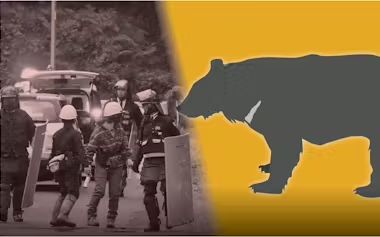
Television production crews across Japan are facing an unexpected and dangerous challenge that's bringing their outdoor shoots to a grinding halt. As bear encounters reach alarming frequencies, popular travel and reality shows are being forced to reconsider their filming locations and safety protocols.
The Growing Bear Threat
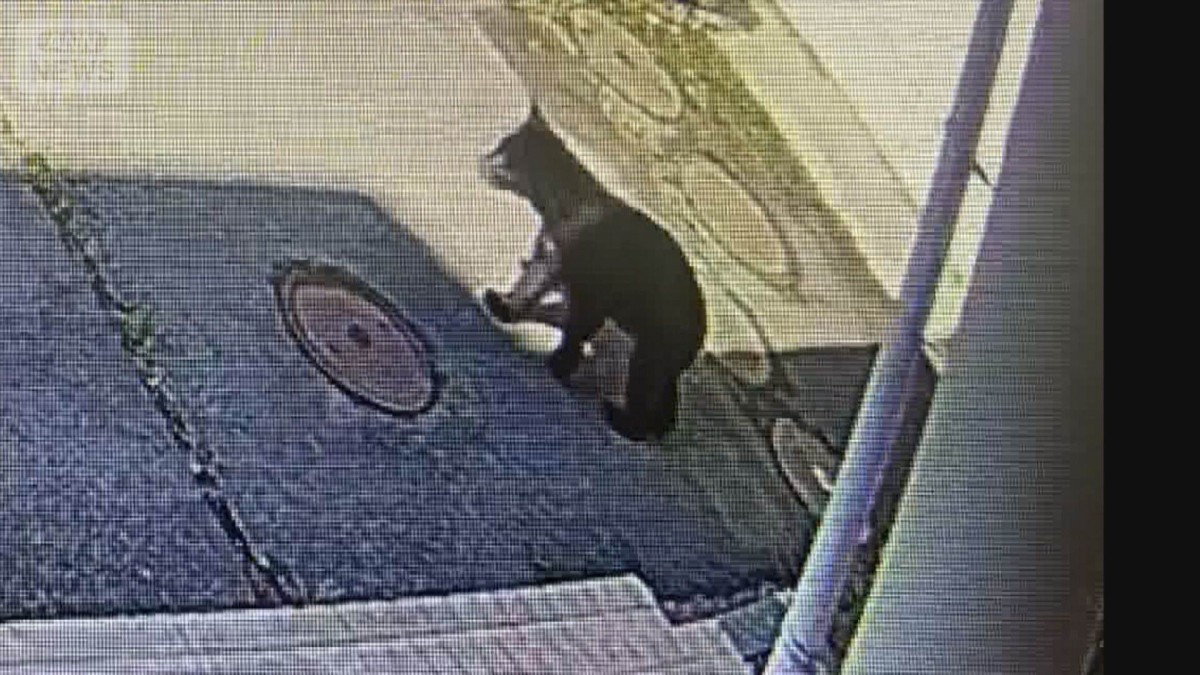
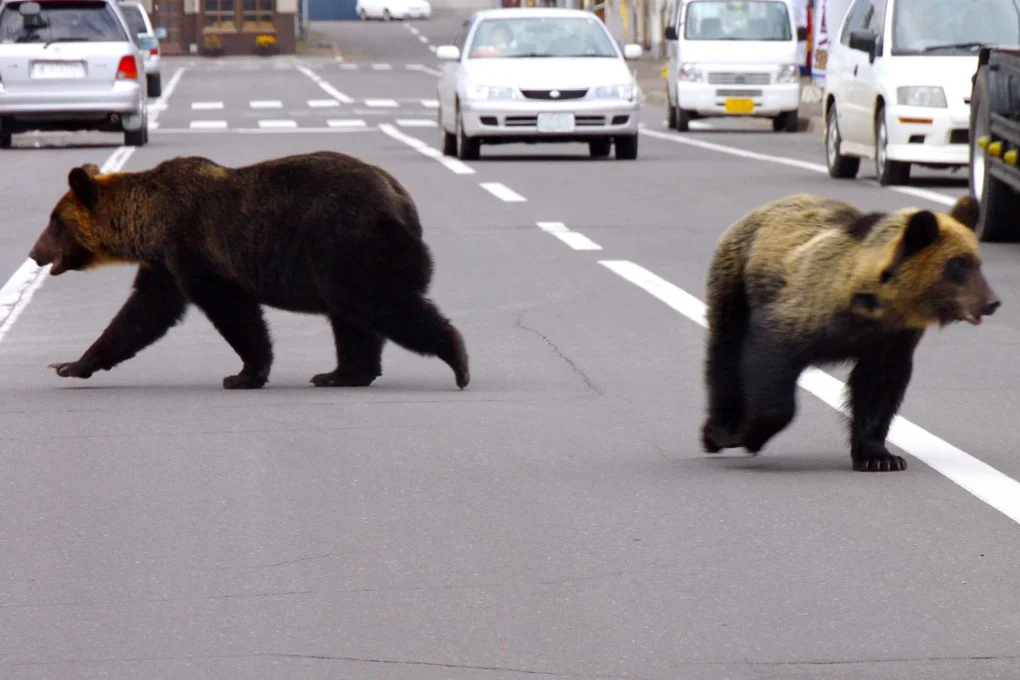
Japan is experiencing an unprecedented surge in bear encounters, with the animals venturing into residential areas, tourist spots, and suburban neighborhoods with increasing boldness. What was once rare has become commonplace, creating safety concerns not just for residents but for television crews who frequently film in these locations. The situation has become so severe that some production teams are considering avoiding bear-prone regions entirely during certain seasons.
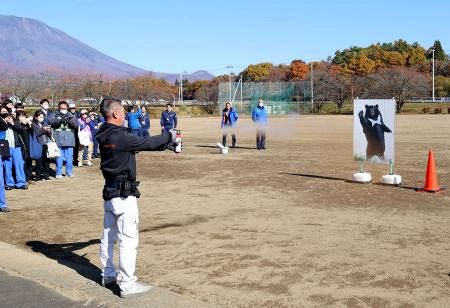
Production companies are implementing rigorous safety measures, including comprehensive bear sighting checks before filming and maintaining constant vigilance during shoots. Despite these precautions, several productions have been interrupted mid-filming when bear sightings were reported nearby. In one alarming incident, a news crew covering tourist spots found themselves with a bear just feet from their vehicle, highlighting the immediate danger these situations present.
High-Risk Television Productions
Several popular Japanese television programs face particular vulnerability due to their filming locations and formats. The acclaimed show "A Lonely House" (Polson to Ikkenya), which features visits to remote mountain homes, essentially enters bear territory with every episode. Experts have expressed concern about the safety risks involved, noting that the production has been fortunate to avoid encounters thus far.
Another program, "Get Home Monday: Found It Squad!" (Kaere Monday Mitsuketai!!), places participants in potentially dangerous situations as they travel by local bus and search for restaurants along mountain paths, often continuing until dusk prime time for bear activity. Celebrity participants have shared harrowing accounts of close encounters, including one instance where a bear appeared just meters away, forcing the cast to take emergency shelter.
Celebrity Encounters and Close Calls
The danger isn't theoretical for Japan's television personalities. Comedian Kano Eiko encountered a bear during filming, while television personality Degawa Tetsuro, host of "Can I Charge My Electric Bike?" expressed genuine fear about traveling through mountainous areas given the current bear situation. Even camping shows like "Hiroshi's Solo Camp" (Hiroshi no Bocchi Camp) face criticism for essentially inviting bear encounters through their remote wilderness activities.
The timing couldn't be worse for these productions. As bears enter their hyperphagia phase the period before hibernation when they consume massive amounts of food encounters with humans are likely to increase. Bears become more aggressive and less cautious during this crucial feeding period, making already risky filming conditions even more dangerous.
Industry Response and Future Implications
The television industry is responding with increased safety measures, but the fundamental nature of these travel and reality shows makes complete protection challenging. Some productions are considering shifting their focus to bear-free regions like Kyushu, though this limits the diversity of locations and stories they can feature.
The situation raises broader questions about human-wildlife coexistence in Japan. As urban development encroaches on traditional bear habitats and climate change affects food availability in forests, these encounters may represent a new normal rather than a temporary phenomenon. Television productions, with their need to access remote and scenic locations, find themselves on the front lines of this evolving challenge.
For now, producers walk a fine line between creating compelling content and ensuring cast and crew safety. The solution may involve more than just bear spray and vigilance it might require rethinking how and where these popular shows are filmed in an increasingly unpredictable natural environment.