Japan’s department stores and tourism operators are bracing for a potential dip in Chinese visitors after China’s Ministry of Foreign Affairs urged citizens to avoid trips to Japan, citing remarks by Prime Minister Sanae Takaichi about a possible Taiwan contingency. Retailers and hospitality leaders said they are monitoring the situation closely, wary that even a short-lived chill in sentiment could dent footfall and spending at a time when inbound demand remains a vital pillar for post-pandemic recovery.
Retail on edge as China signals caution
“We expect to see some impact on customer numbers, but we will keep a close eye on how both governments respond,” a representative of Takashimaya said, noting that metropolitan flagships rely heavily on visitors from overseas. While department stores have diversified their clientele and seen broader growth from other Asian markets, industry executives admit the share of Chinese shoppers remains significant in high-margin categories such as luxury goods, cosmetics, and premium confectionery.
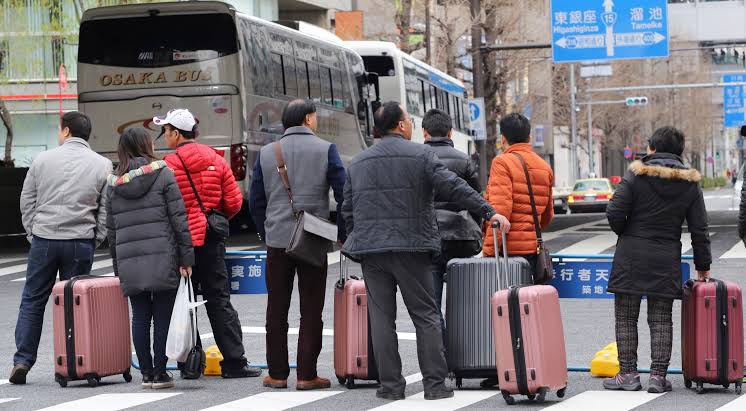
Another large department store official said the composition of Chinese visitors has shifted in the post-pandemic recovery. “Recently we see more individual travelers than package tours, and repeat visitors are increasing,” the official said. “Chinese travelers know the appeal of Japan—safety, cleanliness, and the ease of shopping. We believe a certain number will continue to come based on their own judgment.”
Hotels and airlines project calm—but stay vigilant
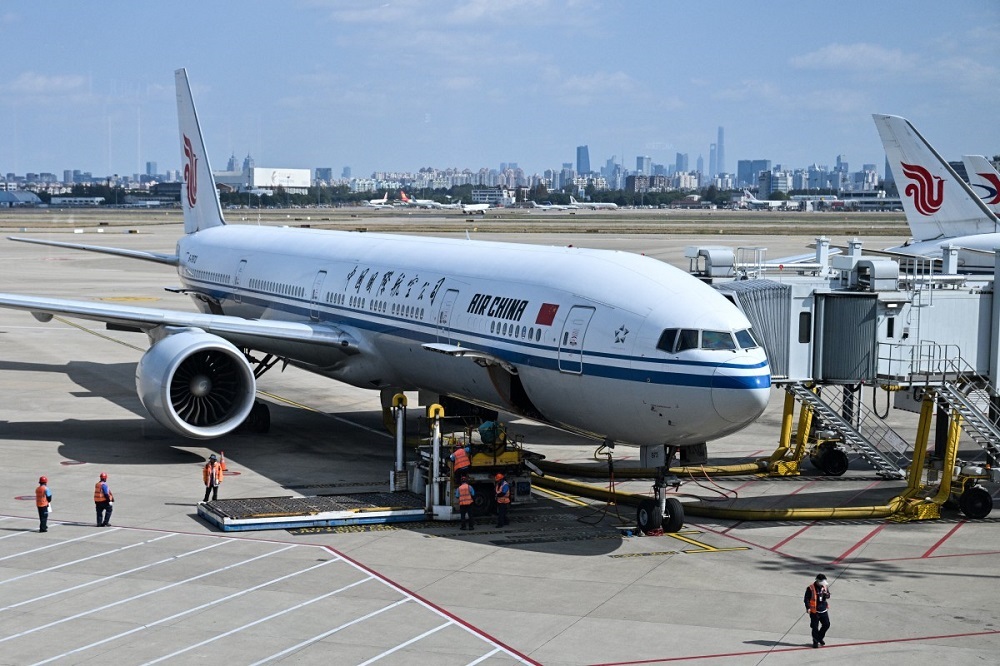
Hotels, which have struggled with staff shortages and rising costs even as occupancy rebounded, are signaling composure. “We understand China to be politically unpredictable, and we will not be thrown off course by this,” a hotel executive said, suggesting properties will avoid abrupt pricing or staffing changes while the situation evolves. Airline industry figures struck a quieter tone. “We cannot comment on state-to-state matters, but we hope tensions settle,” one aviation source said, highlighting that carriers have only recently rebuilt capacity on China–Japan routes and remain cautious about sudden policy shifts that could affect schedules and yields.
Why a slowdown would matter
Chinese visitors were the single most valuable inbound segment for Japanese retailers before the pandemic. According to official tourism data, mainland Chinese travelers accounted for roughly a third of total inbound spending in 2019, with nearly 10 million arrivals and a propensity to splurge on duty-free purchases. Even as overall tourism to Japan surpassed pre-2020 levels this year thanks to a weak yen and pent-up demand from across Asia and North America, Chinese arrivals have lagged earlier peaks. That makes every policy signal from Beijing particularly consequential for retailers whose margins depend on international shoppers, especially in major shopping corridors from Tokyo’s Ginza and Shinjuku to Osaka’s Shinsaibashi and Kyoto’s central districts.
The yen’s prolonged weakness has amplified Japan’s appeal as a value destination, turning department stores into high-traffic hubs for luxury watches, beauty products, and designer apparel priced well below China’s after-tax levels. A pullback in Chinese visitor numbers, even if temporary, could undercut that momentum, forcing stores to lean harder on domestic shoppers and other regional tourists to meet quarterly targets.
From tour buses to independent travelers
One factor softening the immediate blow, executives say, is the rise of free independent travelers (FITs) from China. After group tours were only fully reinstated last year, many Chinese visitors have opted to travel alone or in small groups, booking directly via platforms and curating shopping lists with social media research. That independence can translate into resilience: individuals, particularly repeat visitors familiar with Japan’s retail landscape and transport, may be less swayed by official advisories than first-time tour participants.
Even so, the industry recognizes a familiar risk. China has previously curbed outbound package tours to signal diplomatic displeasure—most notably in other markets in the late 2010s. A new clampdown on group travel to Japan, if imposed, would be felt most acutely by hotels catering to tour blocks, duty-free counters optimized for high-velocity transactions, and regional destinations whose international exposure relies on chartered itineraries.
What Beijing could do next
For now, China’s message is a warning, not a ban. But businesses are gaming out scenarios, from stepped-up advisories and social media campaigns to tighter administrative controls on tour operators. Retailers also recall that geopolitical friction can spill into consumer boycotts or intensified scrutiny of cross-border e-commerce, which affects “daigou” proxy purchasing channels and inventory planning for new product launches.
Diplomatic frictions have bled into economics before. Seafood imports from Japan faced sudden headwinds after Tokyo’s controlled release of treated water from the Fukushima plant, underscoring how swiftly political disputes can trigger commercial repercussions. Travel, by contrast, is more elastic: once tensions ease, bookings can rebound quickly, particularly around holidays and shopping festivals.
How Japanese businesses are hedging
Retailers and hotels have spent the past two years broadening their customer base. Southeast Asia, South Korea, Taiwan, and the United States have all supplied strong visitor growth, and marketing budgets increasingly target influencers and loyalty members beyond China. Department stores have expanded multilingual staff and mobile payment options favored across Asia, from QR-based wallets to UnionPay and global credit rails. Some operators are tweaking merchandising to prioritize items with wide regional appeal and in-store experiences—tax refund desks, appointment-based luxury consultations, and pop-up events—that convert browsers into buyers regardless of nationality.
In the near term, executives say they will watch booking patterns closely, especially for the next peak travel windows including China’s public holidays and Japan’s year-end shopping season. If cancellations rise, retailers may accelerate domestic promotions and collaborate with regional tourism boards to stimulate demand from neighboring markets.
The political backdrop—and the path ahead
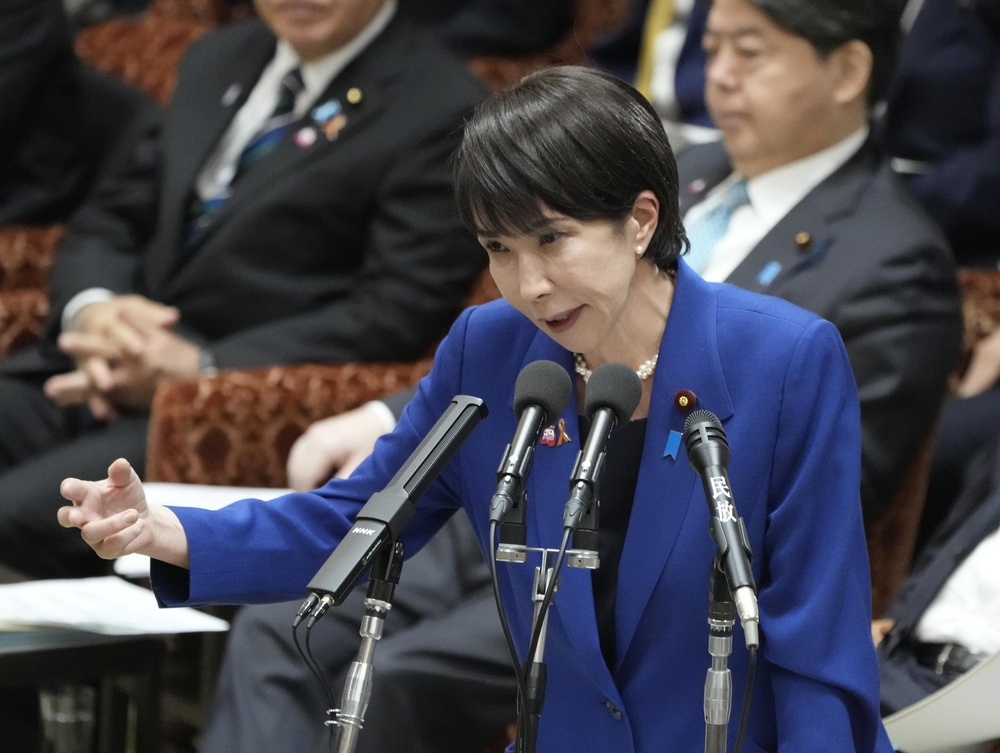
Beijing’s advisory followed comments by Prime Minister Sanae Takaichi regarding a potential Taiwan contingency, language that Beijing views as highly sensitive. Japan’s position on regional security has sharpened in recent years amid concerns over stability in the Taiwan Strait, alongside stepped-up defense coordination with allies. For businesses, the immediate question is not the rhetoric itself but whether it translates into restrictions that alter traveler behavior.
Industry leaders say the prudent course is patience and preparation. “We’re not making reactive changes, but we are ready to adjust staffing and inventory if necessary,” one department store manager said. Hotels are similarly focusing on operational flexibility—cross-training staff, maintaining agile pricing tools, and preserving partnerships with travel platforms to pivot quickly if demand shifts between markets.
The base case among many operators is that a core of independent Chinese travelers will still come, attracted by safety, cuisine, and the weak yen. The risk case is a sharper policy response in China that chills demand for several months. In either scenario, Japan’s inbound sector remains better diversified than it was pre-pandemic—yet not immune to shocks. A measured diplomatic tone on both sides would help preserve a fragile but vital recovery that supports jobs in retail, hospitality, and transport far beyond Tokyo’s luxury storefronts.