A New Show of Solidarity
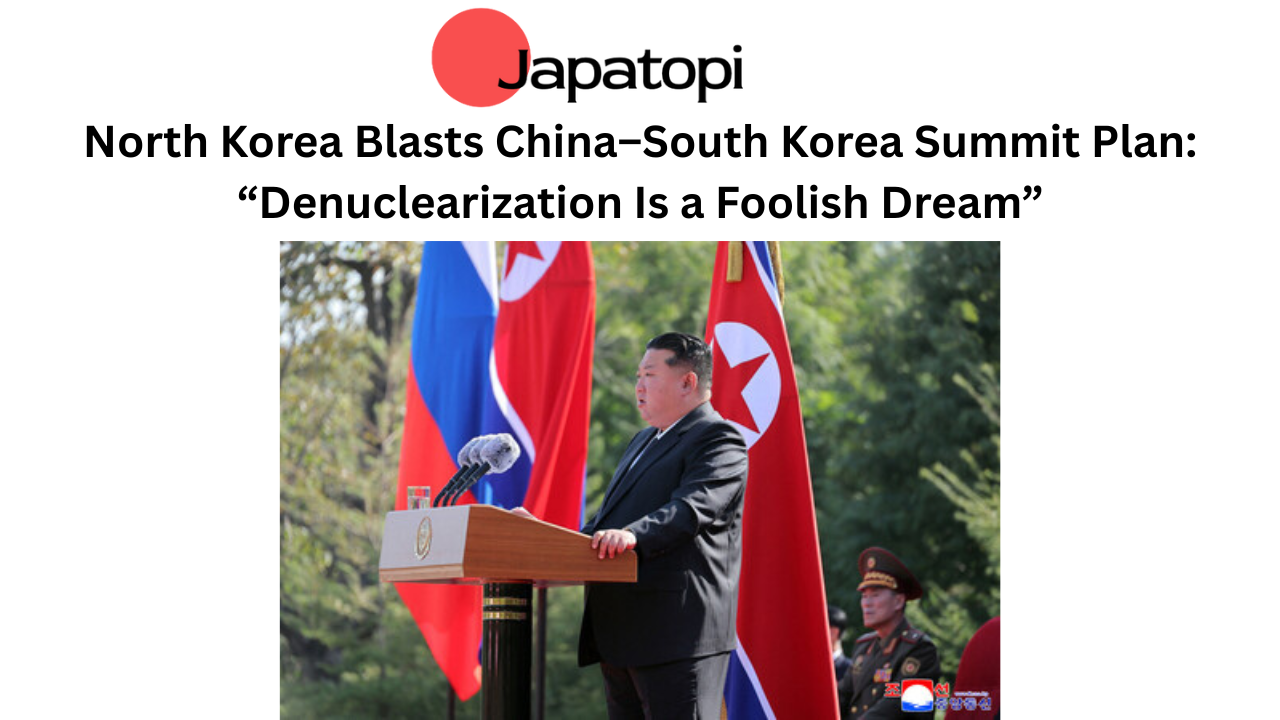
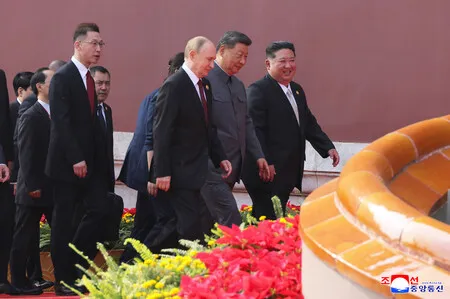
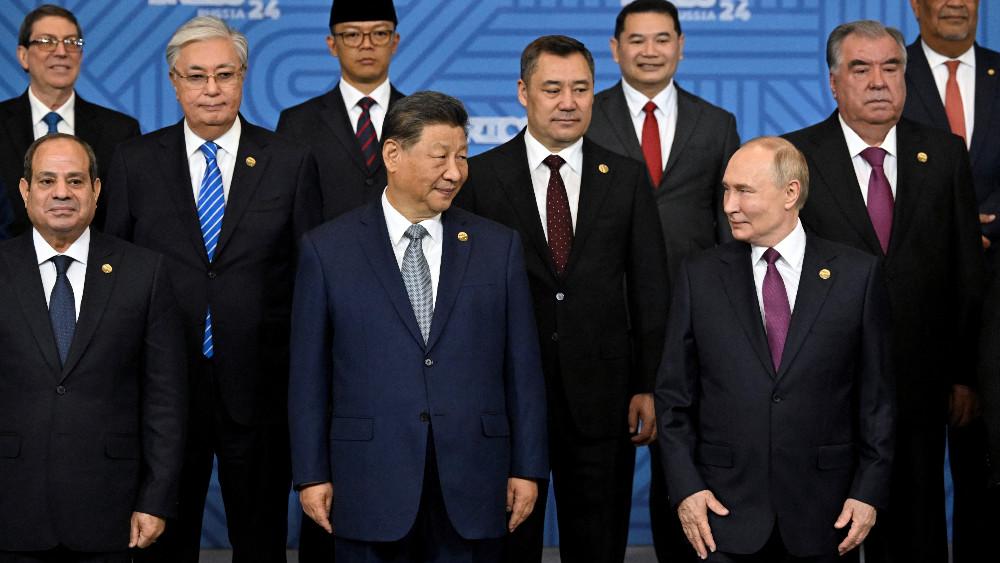
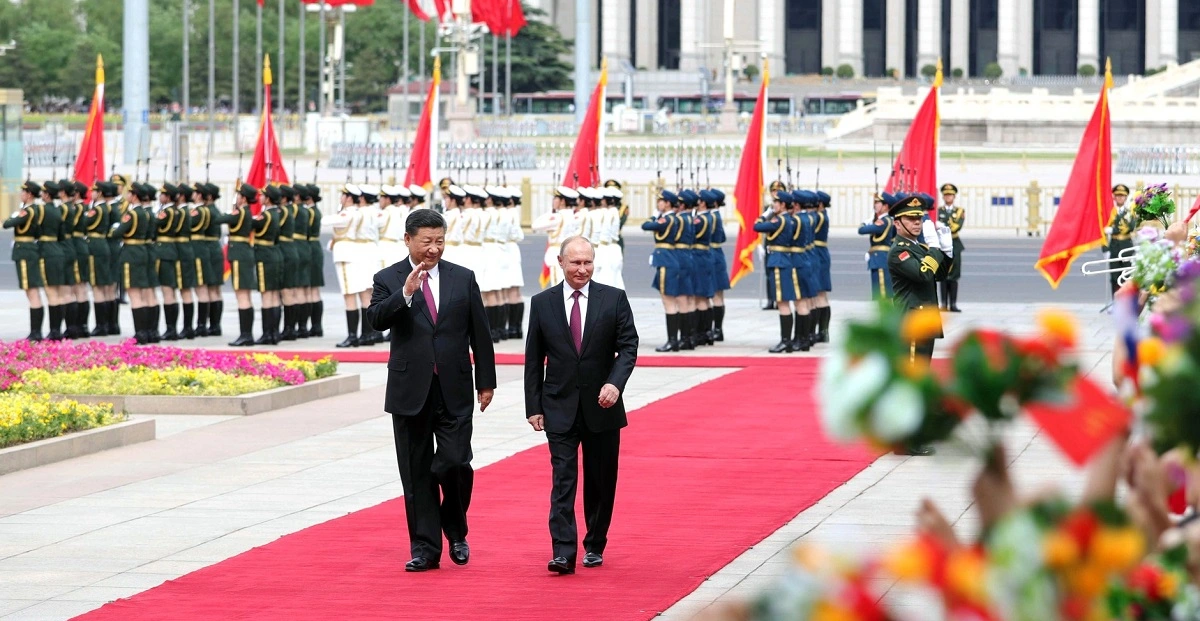
At Beijing’s recent 80th anniversary ceremony marking the end of the anti-Japanese war, Chinese President Xi Jinping, Russian President Vladimir Putin, and North Korean leader Kim Jong Un stood shoulder to shoulder at a military parade. Their joint appearance projected an image of unprecedented closeness among the three leaders. Some Western officials even labeled it an “alliance of autocrats,” sparking fears of a geopolitical turning point.
Symbolism Over Substance
Despite the optics, many experts argue that the event revealed more limits than breakthroughs. No formal trilateral summit was held, and large-scale economic deals—such as gas pipelines—remain uncertain. Analysts suggest that the leaders’ vague promises of deeper ties were less about forging a new bloc and more about strengthening leverage in future negotiations with the United States.
Strategic Interests, Diverging Priorities
For Xi, the parade was a chance to showcase China’s diplomatic strength. For Putin, it countered Western narratives of Russia’s isolation over the war in Ukraine. For Kim, it offered implicit support for North Korea’s nuclear ambitions. Yet each leader’s goals diverge: Beijing avoided formal commitments, Moscow sought economic lifelines, and Pyongyang pursued recognition. This highlights the opportunistic nature of their cooperation.
Economic Gaps and Political Risks
Reports of a binding memorandum on a Russia–China gas pipeline suggested progress, but Beijing’s silence on key details points to unresolved disputes over pricing and feasibility. China also resisted opening its wheat market to Russia, further underscoring the gaps in economic cooperation. Even as China opened parts of its financial markets to Russian firms, Moscow warned that dependence on Beijing could be risky.
Positioning Against the West
While internal differences persist, one area of alignment remains clear: opposition to the U.S.-led global order. Western leaders have expressed concern, with the EU describing the trio as a “dictatorship coalition.” U.S. officials noted that appearances matter, as the symbolism of a united anti-Western front could embolden their negotiating power—even if their alliance lacks real cohesion.
The Road Ahead
Looking forward, China, Russia, and North Korea may not form a fully integrated bloc, but their growing coordination signals challenges for the West. With upcoming summits, including potential meetings with U.S. leaders, their maneuvers could shape future negotiations on trade, security, and nuclear policy. For now, the so-called “axis of autocrats” seems less a solid front and more a tactical alignment of convenience.