Satellite analysis points to strike at key Iranian nuclear site
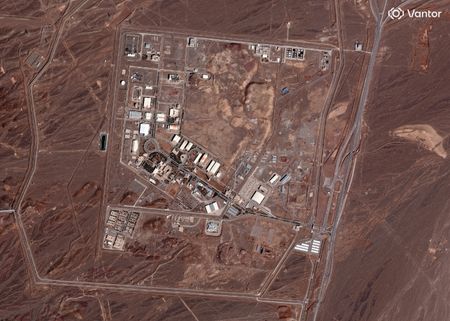
Commercial satellite imagery indicates damage at Iran’s Natanz nuclear complex following the start of U.S.-Israeli operations targeting Iranian assets, according to a 2nd-of-the-month assessment by the Institute for Science and International Security (ISIS), a Washington-based non-governmental research group. The institute said images captured by a Colorado-based company show signs of two strikes on access points to underground uranium-enrichment halls at Natanz. It is the first time evidence has emerged that a nuclear facility has sustained damage since those operations began, the assessment noted.
What the images show—and what we don’t know
ISIS founder David Albright said the attacks appeared to have occurred between the afternoon of the 1st and the morning of the 2nd local time. Imagery reviewed by the group indicates three buildings at Natanz were destroyed; two of them served as personnel entrances to twin underground halls that house thousands of centrifuges used to enrich uranium for power generation—and, at higher levels of enrichment and with other steps, potentially for weapons. The assessment did not establish whether the United States or Israel conducted the strikes.
Conflicting statements from Vienna and Tehran
Reza Najafi, Iran’s representative to the International Atomic Energy Agency (IAEA), said on the 1st that Natanz had been attacked, and the newly released satellite images appear to support his account. However, IAEA Director General Rafael Mariano Grossi told the agency’s Board of Governors on the 2nd that there were no indications of damage to nuclear facilities. The discrepancy underscores the fog of a fast-moving situation: open-source imagery suggests structural impacts at the complex, while the IAEA—tasked with safeguarding nuclear sites—has not yet confirmed harm to safeguarded facilities themselves.
Why this matters for Japan
For Japan, a steadfast advocate of nuclear non-proliferation and a leading supporter of the IAEA’s verification work, clarity at Natanz is vital. Japan, the only nation to have suffered wartime atomic bombings, consistently champions rigorous safeguards and diplomatic solutions to nuclear disputes. Tokyo maintains close security ties with the United States while historically engaging pragmatically with Iran—particularly on energy. Any escalation that imperils nuclear oversight or inflames regional tensions could complicate Japan’s delicate diplomatic balance and heighten global proliferation risks that Japan works to reduce at the United Nations and through the IAEA. Japan has also provided funding and technical cooperation to the IAEA and recently worked with the agency on high-profile nuclear safety oversight, strengthening its role as a credible voice for transparency.
Energy security and market ripple effects
Japan’s energy importers and consumers will watch this development closely. The Middle East remains central to global oil supply, and even limited strikes near sensitive nuclear infrastructure can stoke risk premiums in energy markets. A sustained rise in crude prices would feed into import costs, pressure the yen, and affect household budgets and logistics across Japan. Japanese firms with exposure to shipping lanes in the Gulf and Strait of Hormuz will be reviewing contingency plans, while airlines and travel operators monitor airspace advisories.
What foreign residents in Japan should know
For expats in Japan, this is not an immediate security concern at home, but it is a reminder to monitor energy prices, travel advisories for transiting the Middle East, and embassy updates if you have business or family connections in the region. Employers may reassess travel and supply-chain risks, while individuals should keep an eye on potential fuel surcharges and flight reroutings. Japan’s government typically issues timely guidance and coordinates with partners to maintain stable energy flows; any significant policy steps—such as strategic stock drawdowns or diplomatic outreach—would be announced publicly.
The bigger picture
Natanz has been central to Iran’s nuclear program for two decades and a focal point in international efforts to cap enrichment under the 2015 nuclear deal. Since the U.S. withdrawal from that agreement in 2018, Iran has advanced its enrichment levels and installed more capable centrifuges, raising proliferation concerns. The latest satellite findings, juxtaposed with the IAEA’s caution, highlight how verification, transparency, and diplomacy remain indispensable. Japan’s interests align with de-escalation: robust inspections, credible technical facts, and open channels of dialogue that reduce the risk of miscalculation. As the picture at Natanz becomes clearer, Tokyo and other stakeholders will be pushing for facts first—and for steps that keep the region, the global economy, and non-proliferation norms on a steadier footing.
Note: Details are evolving and subject to further verification by the IAEA and independent imagery analysts.