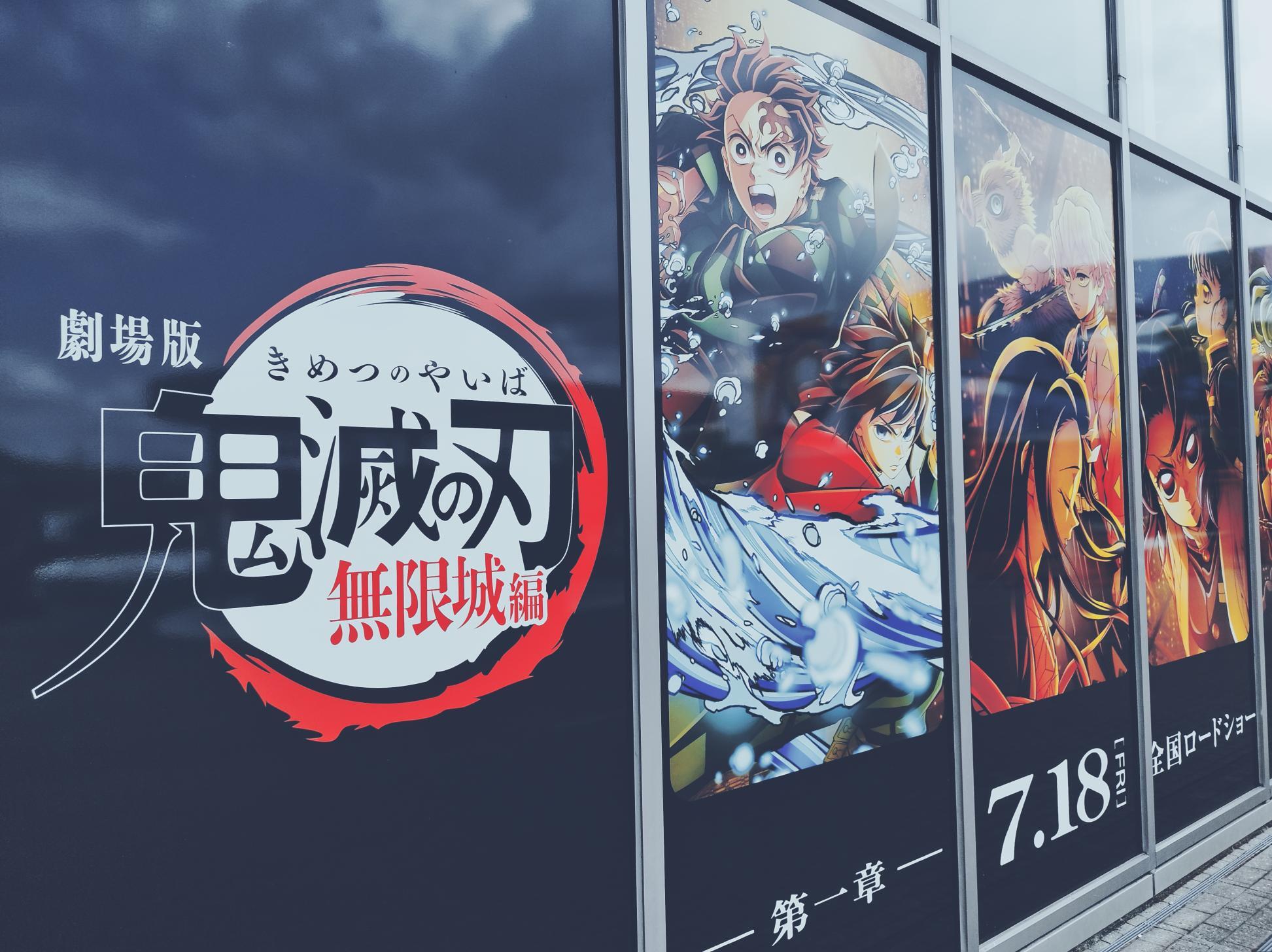
Japan’s animation business is riding an extraordinary wave. The latest Detective Conan films have cleared 10 billion yen at the domestic box office three years running, and Demon Slayer: Infinity Castle — Part 1: Akaza Returns has reportedly become the first title in Japanese film history to crest the 100-billion-yen mark worldwide. Yet, behind the blockbuster headlines, production costs — especially for television anime — are surging, hit-or-miss risk is climbing, and the industry’s shape is shifting in ways that echo the mobile game sector before its own bubble cracked.
Streaming tailwinds meet a tighter pipeline
According to Teikoku Databank, Japan’s anime production market reached an all-time high of 362.1 billion yen in 2024, up 4.0% year on year, building on a striking 24.7% jump in 2023. Demand is no longer confined to TV and theatrical windows; global streaming platforms have become major buyers. The share of anime studios doing business with overseas partners rose to 45.2% in 2024, up 4.4 percentage points from 2023, as more producers signed with U.S. platforms such as Netflix and Amazon.
Paradoxically, the number of new series on air is shrinking. The annual count peaked at 361 in 2016 and fell to 300 in 2023. Meanwhile, the value of the production market surged from the 200-billion-yen range in 2016 to roughly 348.2 billion yen in 2023. The implication is clear: there are fewer shows, but each one is much more expensive.
Better pay, bigger bills — and a higher break-even
A standard 30-minute episode that once cost 10–15 million yen to produce is now widely estimated at 20–30 million yen, depending on scope. A 13-episode cour that used to sit in the low 100-million-yen range has climbed into the high 200-million to nearly 400-million-yen tier. Much of this is wages: animation involves large, multidisciplinary teams, and the industry has long been criticized for “passion-driven” underpayment. Recent years have finally brought rising average incomes and incremental improvements in working conditions. In that sense, higher production budgets are a welcome corrective.
But higher costs also raise the bar for success. Anime today monetizes across a lattice of revenue streams — broadcast rights, streaming licenses, theatrical releases, manga tie-ins, packaged media, games, merchandise — amplifying the power of hit IP. That multiplatform potential encourages bigger bets. It also magnifies the downside when titles miss: recovery becomes harder, capital turns cautious, and a negative spiral can set in.
The mobile game parallel — and what’s different
The resemblance to the mobile game boom-and-bust is hard to ignore. In games, production and user-acquisition costs ballooned, live operations lengthened development cycles, and a hits-driven power-law meant a few mega-winners hoovered up most of the profits while a long tail struggled to break even. When growth slowed and financing tightened, studios shuttered, slates shrank, and consolidation accelerated.
Anime faces similar structural forces: rising budgets, intensifying competition for attention, and a skew toward tentpoles. Yet there are differences. Anime’s “production committee” model spreads risk among rights holders; completed shows can enjoy long-tail value via licensing, catalog streaming, and global syndication; and the creative process is less beholden to perpetual live-ops. These buffers help — but they do not eliminate the risk of overreach if costs outrun demand.
Toei Animation’s big bet: Girls Band Cry
Toei Animation illustrates both the opportunity and the risk. Determined to escalate select titles into flagship IP, the studio mounted Girls Band Cry, a cross-media project that premiered on TV in April 2024 and cultivated a durable fan base. On September 23, its Budokan concert sold out 12,000 seats. A compilation film is out, and a brand-new feature has been greenlit. The series was produced in full CG, with performance scenes driven by motion-captured sessions from professional musicians — down to accurate fingerings on guitar chords — implying intense labor and time investment. Social chatter even speculated about nine-figure yen budgets per episode.
In a twist that fused authenticity with marketing, the voice cast formed the actual performing band after open auditions in 2021, turning the project into a multi-year endeavor from band-building to broadcast. Packaged media sales reportedly reached the 100,000-unit level, overseas demand has been strong, and a Taiwan concert is set for August 2025. Even so, the scale of the undertaking underscores how much capital is now required to launch and sustain a breakout IP.
Toei’s broader strategy reflects this escalation. In a mid-term plan running through the fiscal year ending March 2031, the company announced roughly 70 billion yen in content investment over five years — a signal that, as demand surges, major studios are willing to commit commensurate resources.
Ghibli’s cautionary tale: when scale turns into strain
Scale can cut both ways. Studio Ghibli, which began shouldering hefty budgets from Princess Mononoke onward and rode mega-hits like Spirited Away and Howl’s Moving Castle, hit a wall with The Tale of the Princess Kaguya in 2013. Despite production costs exceeding 5 billion yen, the film failed to reach 3 billion yen at the box office. In 2014, Ghibli disbanded its in-house production division, shifting to project-based staffing — a dramatic restructuring born of financial pressure.
The macro backdrop didn’t help. Packaged media sales, once a key profit center, peaked around the mid-2000s and then sagged. By roughly 2014, both sales and rentals were in retreat, eroding a vital cushion that once helped studios recoup costly productions. The lesson: when one monetization pillar weakens, aggressive budgets become far riskier.
What could puncture the current boom?
Several fault lines bear watching. If global streamers slow commissioning or push harder on pricing, pre-sales could contract. If hit ratios drop as more high-cost projects compete for finite attention, recoupment windows lengthen. Currency swings, labor scarcity, and VFX bottlenecks can add pressure. And if cost inflation outruns international demand growth, confidence can evaporate quickly — the prelude to a mobile-game-style correction.
How anime can avoid a bust
There are pragmatic steps that can preserve the upside while containing the downside: diversify slate risk with a barbell of tentpoles and mid-budget shows; adopt modular pipelines and reusable asset libraries to curb CG and postproduction costs; co-produce internationally while defending long-term rights; push for more transparent performance data from platforms to inform greenlighting; synchronize marketing with global release windows to maximize momentum; nurture new talent to expand capacity without overworking incumbents; and continue improving wages and schedules to keep productivity gains sustainable rather than extractive.
The current boom is real — and so is the structural change behind it. Streaming has expanded the market, wages are finally correcting, and ambitious projects are turning into global events. But the math has tightened. If the industry leans too far into cost escalation without a commensurate lift in reliable monetization, it risks replaying the mobile game industry’s hard lesson. The challenge now is to convert a hit-driven surge into a resilient ecosystem: one that can finance big dreams, protect the people who make them, and still thrive when the tide inevitably turns.