Tehran pushes back on injury reports
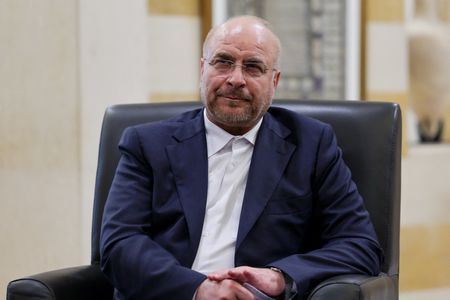
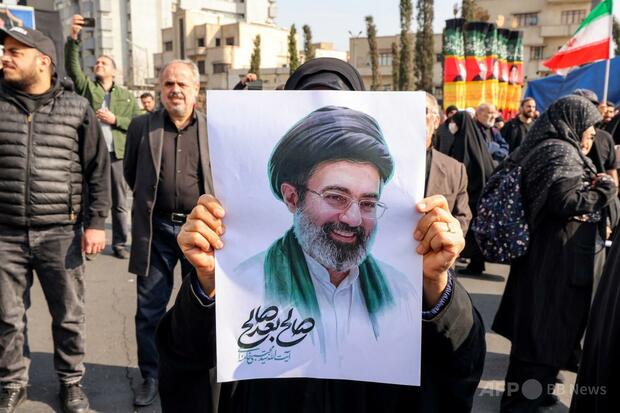
Iran’s government moved to quell fast-spreading rumors that Mojtaba Khamenei, the country’s newly appointed Supreme Leader, had been wounded amid armed clashes involving the United States and Israel. Yusef Pezeshkian, son of President Masoud Pezeshkian and a government adviser, said on 11 March that Mojtaba Khamenei was “safe,” countering claims that he had suffered injuries. Posting on Telegram, Yusef Pezeshkian wrote that he had heard talk of an injury but, after checking with several connected friends, received confirmation that the leader was unharmed.
Conflicting accounts fuel uncertainty
The denial followed a New York Times report citing three Iranian government officials, who spoke on condition of anonymity, claiming Mojtaba Khamenei had sustained leg and other injuries but remained conscious and was sheltering in a highly secure location with communications restricted. Iranian state television previously referred to him as a “Ramadan War” wounded veteran, without detailing any current injuries. Mojtaba Khamenei was named Supreme Leader on 8 March, succeeding Ayatollah Ali Khamenei, who was reportedly killed on 28 February in a US-Israeli attack, according to multiple media accounts at the time. These claims have not been independently verified by our newsroom.
Why this matters to Japan
Japan has long maintained a careful, pragmatic relationship with Iran, balancing its alliance with the United States and its own energy security needs. While Japan has largely halted direct crude imports from Iran under international sanctions, more than 90% of Japan’s oil still comes from the broader Middle East, and any escalation involving Iran, Israel, or US forces can reverberate through global markets. A spike in oil prices would directly affect Japanese households and businesses through higher fuel and electricity costs, while adding pressure to Japan’s post-pandemic recovery and its inflation management.
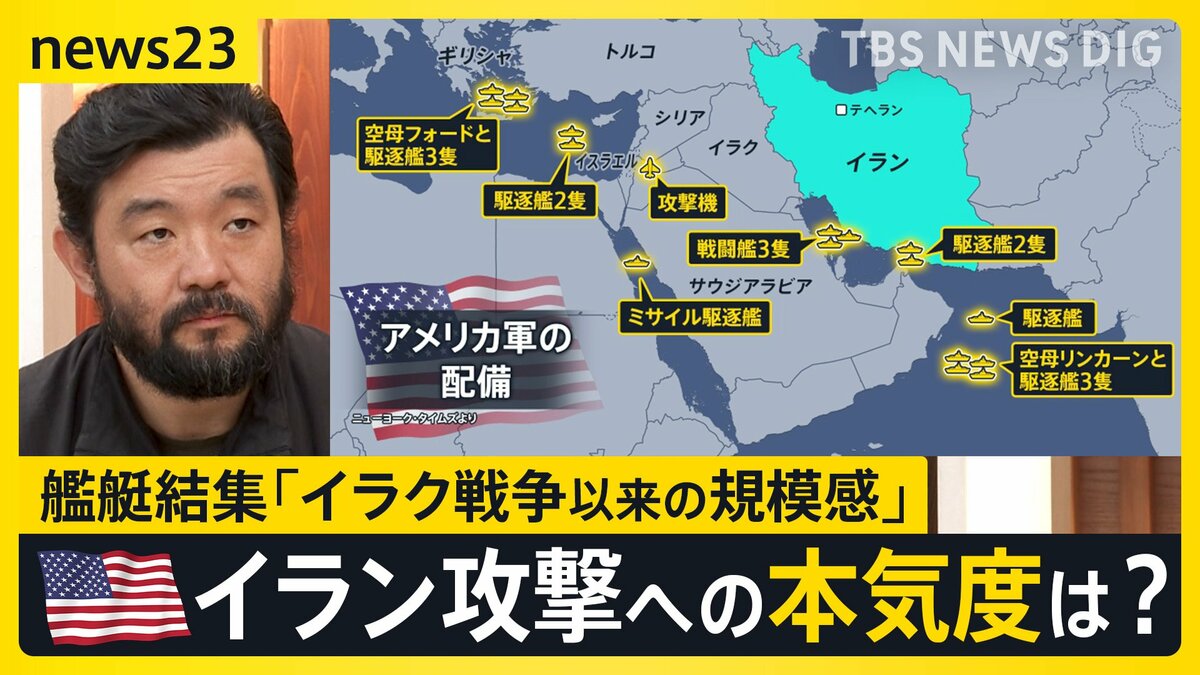
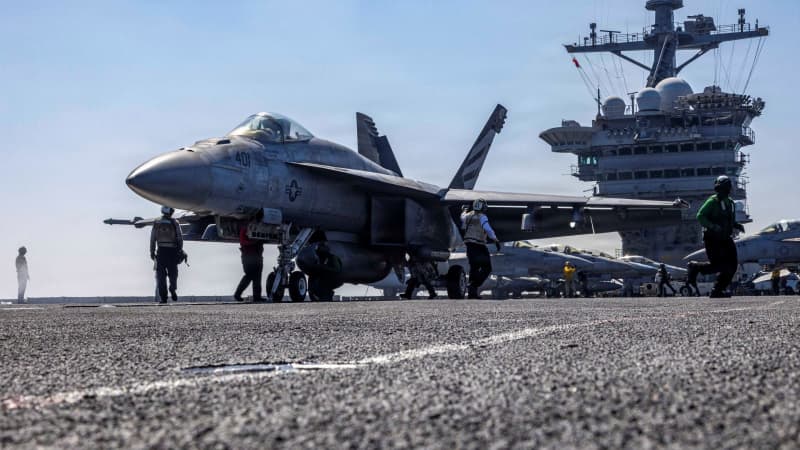
Maritime security is another key concern. Japan depends on safe passage through the Strait of Hormuz and surrounding sea lanes. The Japan Maritime Self-Defense Force has, in recent years, conducted information-gathering missions in the Gulf of Oman and the Arabian Sea to help secure commercial traffic. Heightened tensions could raise insurance premiums for Japanese shippers, force route adjustments, and complicate logistics for Japanese manufacturers and trading houses operating across the region.
Diplomacy, de-escalation, and Japan’s role
Tokyo traditionally favors quiet, steady diplomacy. From former Prime Minister Shinzo Abe’s 2019 outreach in Tehran to ongoing dialogue through Japan’s Ministry of Foreign Affairs, Japan often positions itself as a bridge-builder capable of engaging all sides. In the current information fog surrounding Iran’s leadership and the state of regional conflict, Japan is likely to emphasize de-escalation, humanitarian considerations, and the safeguarding of global energy flows—priorities that align with its pacifist constitution and its reputation as a trustworthy mediator.
For Japan-based readers, this is not just distant geopolitics. Japanese firms have deep stakes in stable supply chains, and any disruption can ripple into domestic prices. For Japanese nationals and long-term residents traveling or working in the Middle East, Ministry of Foreign Affairs advisories and embassy updates remain essential references. Companies with expatriate staff in the Gulf and beyond are already reviewing contingency plans, from travel protocols to emergency communications.
Reading the signals
With Tehran denying any injury to the new Supreme Leader and international outlets citing unnamed officials with a different account, the picture remains murky. Such information gaps are common in fast-moving security crises. What is clear is the potential for miscalculation whenever leadership stability is questioned. Japan will watch for verifiable updates while coordinating closely with partners and industry to safeguard energy security and maritime traffic. Investors and policy planners in Tokyo will be especially attuned to oil price moves, shipping advisories, and any credible signs of diplomatic backchannels reopening.
Bottom line: Regardless of which narrative ultimately proves accurate about Mojtaba Khamenei’s condition, the stakes for regional stability—and for Japan’s energy, trade, and citizens abroad—remain high. Calm, fact-based assessment and steady diplomacy will be Japan’s strengths as events unfold.