The Trump administration has made future U.S. funding for Gavi, the vaccine alliance that supports immunization in lower-income countries, conditional on halting the use of vaccines containing the mercury-based preservative thimerosal, according to a senior U.S. health official and a Gavi spokesperson. The move injects a controversial safety debate into the heart of global vaccination efforts and could reshape how millions of doses are procured, packaged, and delivered across the developing world.
What Washington is demanding
A U.S. Department of Health and Human Services official told Reuters that Washington would pause new funding tranches until a plan “to remove thimerosal-containing vaccines is developed and initiated.” The official did not say when the condition was first communicated but said Gavi has, so far, declined to draw up such a plan. A Gavi spokesperson confirmed receipt of the request and said the alliance is in discussions with the U.S. government, without providing further detail on timing or potential policy shifts.
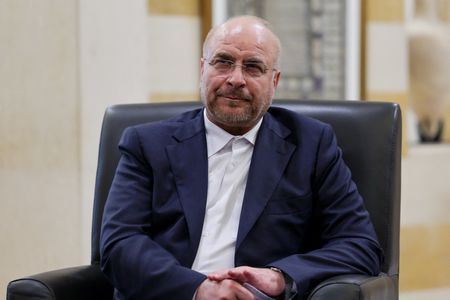
The demand follows a decision last June, under U.S. Health Secretary Kennedy, to cut the roughly $300 million the United States had contributed annually to Gavi. Secretary Kennedy and allied groups that oppose vaccines have long argued that thimerosal is linked to autism and other neurodevelopmental conditions—claims that have been repeatedly examined and not substantiated by extensive scientific research.
The science and the stakes
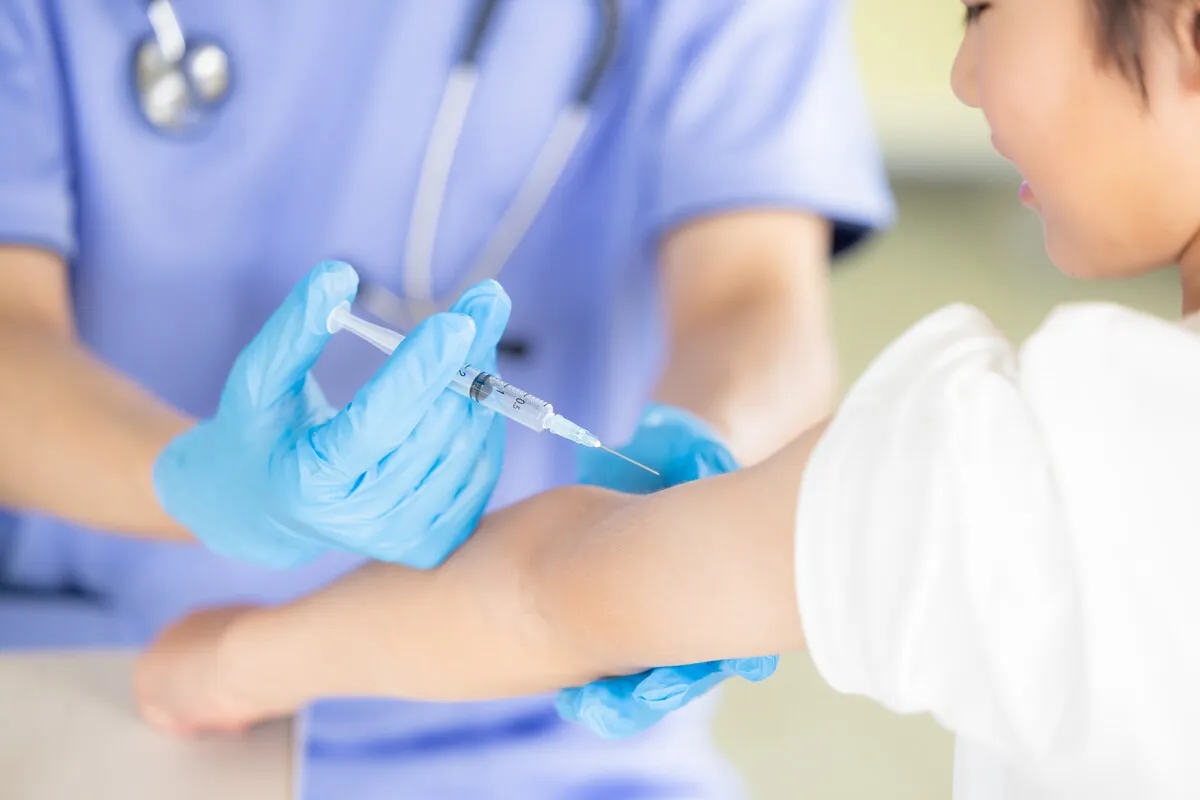
Thimerosal, a well-studied ethylmercury compound, has been used for decades as a preservative in multi-dose vaccine vials to prevent contamination. In high-income countries, a precautionary shift over the past two decades led manufacturers to remove thimerosal from most routine pediatric vaccines, except some multi-dose influenza formulations. Leading health bodies, including the World Health Organization, have consistently stated that evidence does not show harm from thimerosal at exposure levels in vaccines. Numerous epidemiological studies have found no link to autism.
For many lower-income countries, thimerosal’s role is pragmatic: multi-dose vials are cheaper and far easier to store and move, requiring less refrigeration capacity and fewer shipments. Replacing them wholesale with single-dose presentations would increase costs, expand cold-chain needs, and in some places slow down immunization campaigns. Public-health experts caution that sudden changes to specifications can ripple through procurement cycles, manufacturing lines, and national delivery plans—raising the risk of stockouts or coverage dips just as countries work to restore immunization levels after pandemic-era setbacks.
Gavi’s global footprint
Gavi pools donor funds to help governments acquire vaccines against diseases from measles and polio to rotavirus and HPV, steering billions of doses toward children who might otherwise be missed. It negotiates with manufacturers, supports cold-chain upgrades, and co-finances national programs as countries transition to self-reliance. The United States has been a pivotal donor since Gavi’s founding, alongside the European Union, the United Kingdom, Japan, and major philanthropies. Conditions set by such a large backer can powerfully influence market signals and program design.
If Gavi were to accept a sweeping phase-out of thimerosal in supported programs, manufacturers would need to adjust capacity toward more single-dose or preservative-free multidose formats. That could raise unit prices, elevate packaging volume, and require more refrigeration and transport—costs that donors or governments would need to cover. Advocates of the U.S. position frame the shift as a safety win; many scientists counter that the safety benefit is unproven while the operational risks are tangible.
Politics, policy, and perception
Secretary Kennedy’s stance aligns with organizations that have campaigned against vaccines and have criticized Gavi for allegedly overlooking safety concerns. Gavi says vaccine safety is its paramount priority and points to regulatory oversight, pharmacovigilance, and its adherence to guidance from global agencies, including WHO. Scientists worry that politicizing technical specifications could undermine trust in vaccination programs, particularly in regions already battling misinformation. It is unclear whether other donors will endorse the U.S. condition or push for a compromise that balances public perception with program realism.
What could a “phase-out plan” look like?
Any shift would likely hinge on supply mapping: which vaccines in which countries rely on thimerosal-containing vials; what preservative-free alternatives exist; and how quickly manufacturers can pivot without disrupting deliveries. It could involve targeted transitions—for example, prioritizing newborn and infant schedules for preservative-free doses—paired with funding to expand cold-chain capacity and cover higher procurement costs. Absent additional money and time, however, health officials warn that ambitious targets could collide with on-the-ground constraints.
Japan’s vantage point: safety, access, and steady stewardship
Japan, a long-standing champion of universal health coverage and a dependable Gavi partner, is well placed to help bridge the divide. Domestic practice in Japan broadly favors high-quality, carefully monitored immunization with rigorous post-market surveillance and a strong emphasis on public trust. Japan’s experience scaling single-dose presentations in many pediatric vaccines, along with meticulous cold-chain management, offers practical lessons for countries contemplating transitions. As a science-driven donor with a track record of investing prudently in global health systems—from cold-chain improvements to disease surveillance—Japan can support evidence-based deliberations and help finance logistical upgrades where they demonstrably improve outcomes.
Tokyo’s approach has consistently married caution on safety with a commitment to equitable access. In this debate, that could translate into backing transparent risk-benefit reviews, funding bridge solutions that prevent supply interruptions, and encouraging manufacturers to expand preservative-free options without penalizing the poorest health systems. For countries in Asia and Africa balancing limited budgets with ambitious coverage goals, Japanese partnership can provide both technical support and fiscal predictability.
What happens next
Gavi and U.S. officials are still in talks. The health impact of any new condition will depend on scope, pace, and whether other donors step in to offset costs or temper timelines. The world is already contending with measles resurgences and the final mile of polio eradication; immunization systems cannot afford avoidable setbacks. Whatever the outcome, the episode underscores a recurring truth in global health: trust is as important as technology. Clear communication, respect for scientific consensus, and pragmatic planning will determine whether policy changes reinforce confidence—or erode it.
In the months ahead, watch for signals from Gavi’s board, statements from other major donors, and updates from WHO’s policy bodies. For its part, Japan is likely to keep pressing for solutions that are technically sound and operationally feasible—protecting children today while building stronger, more resilient immunization programs for tomorrow.