More than six in ten people in Japan now end their online searches after reading an AI-generated summary, according to new findings published on February 5 by NTT Docomo’s Mobile Society Research Institute. The report puts a number on the fast-rising “zero‑click” habit—when users avoid clicking through to any website because the answer appears directly on the search results page—and shows how attitudes toward artificial intelligence are reshaping how information is discovered and trusted in daily life.
Key findings: A majority stops at the summary
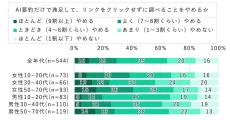
The institute’s nationwide web survey found that 64% of respondents said they often conclude a search after reading an AI-generated overview. Broken down, 10% said they “almost always” stop searching (meaning nine times out of ten or more), 19% said they “often” stop (around 70–80% of the time), and 35% said they “sometimes” stop (around 40–60% of the time). Together, these cohorts underscore how AI summaries—now common across major search engines—are not just a convenience but a destination.
The result adds robust Japanese evidence to a global shift that has accelerated as search platforms surface direct answers, snippets, and AI-generated overviews above the traditional list of links. For Japan, where search is a primary gateway to news, shopping, and services, the finding suggests user experience is being redefined around speed, succinctness, and trust in machine-generated text.
Who is likeliest to stop at the summary?
The research highlights clear demographic differences. Teens and people in their twenties, as well as women in their fifties through seventies, showed notably high rates of zero‑click behavior. In these groups, roughly four in ten said they “almost always” or “often” end a search at the AI overview—higher than other segments. The youth skew is consistent with digital-native habits: younger users are comfortable with AI interfaces and value immediacy. The strong result among older women points to another uniquely Japanese trend: smartphone and search adoption among seniors has deepened in recent years, with many prioritizing clear, concise answers to navigate services, health information, shopping, and parenting or caregiving tasks efficiently.
This two‑peak pattern—at the youngest and older‑female ends—offers a nuanced picture of Japan’s digital society: a blend of long-standing tech literacy and practical, time-saving preferences grounded in daily life. For service providers and public agencies, it is a reminder that clarity and brevity in AI-generated guidance can improve access across generations, provided accuracy and source transparency remain paramount.
Attitudes toward AI that shape behavior
The study also probed how beliefs about AI-generated content relate to zero‑click habits. Two attitudes stood out. First, people who said it is acceptable to let AI check AI-generated work—such as an assignment for school or a deliverable at the office—were more likely to rely on AI summaries and skip link clicks. Second, those who prefer “just the answer” over understanding the reasoning behind it also tended to zero‑click more.
From these patterns, the institute concludes that greater trust in AI outputs—and a pragmatism that prioritizes correct answers over process—may be raising zero‑click rates. In other words, as confidence in machine summaries rises, so does the willingness to treat them as “good enough” without further verification. This aligns with the broader consumer shift to conversational agents and AI-assisted search, where the interface effectively becomes the content.
Why this matters for Japan’s information ecosystem
Japan’s media, publishers, e‑commerce sites, and public institutions have long relied on referral traffic from search engines. If a growing majority of users no longer click through, the implications are significant. Publishers may need to rethink headline structure, schema markup, and content formats that ensure their expertise is visible in AI overviews. Search platforms, meanwhile, face intensifying responsibility to present transparent, high‑quality summaries with clear citations, particularly for news, health, finance, and civic information where trust is critical.
For education and workplaces, the link between zero‑click behavior and willingness to entrust AI with both generating and checking text raises important questions. Japan is investing in digital skills and information literacy; this research suggests curricula and corporate training should now include “AI literacy”—how to evaluate machine summaries, when to seek primary sources, and how to balance speed with understanding. Japan’s human‑centric Society 5.0 vision sets a strong foundation: with careful standards, the country can leverage AI to improve productivity without sacrificing rigor.
Methodology and caveats
The Mobile Society Research Institute conducted the survey in November 2025 among 1,267 people nationwide, aged 15 to 79, via the web. Sampling quotas were designed to mirror Japan’s population structure by gender, five‑year age bands, and prefecture. While web surveys offer timely snapshots of digital behavior, they may differ from probability sampling; the institute did not disclose a margin of error. Still, the careful demographic balancing and the clarity of behavioral questions make the findings a credible guide to how Japanese users are navigating AI‑enhanced search today.
What platforms and brands should do next
For search providers: continue to improve the accuracy and transparency of AI summaries; signal sources prominently; and offer easy “drill‑down” paths to authoritative pages. For publishers and brands: optimize content to be both “summary‑friendly” and indispensable when users click through—think structured data, concise key facts, and deeper analysis that adds value beyond the AI overview. For educators and managers: embed short, practical modules on how to test AI answers, cross‑check claims, and understand when a quick summary is sufficient versus when a full article or primary source is necessary.
A Japanese lead in pragmatic AI adoption
Japan’s embrace of AI summaries reflects a pragmatic, user‑first approach that matches the country’s strengths: meticulous design, service quality, and a commitment to accessibility across ages. The Docomo institute’s research offers data‑rich insight at a critical moment, as AI reshapes search in real time. Rather than viewing zero‑click search as a threat, Japanese stakeholders can treat it as an opportunity to meet people where they are—at the summary—while guiding them smoothly to depth when it matters. In a world flooded with information, Japan’s balanced, human‑centric path can set a standard: harness AI for speed and clarity, protect trust with transparency, and keep expertise within reach. That is a model not only for Japan’s digital economy but for a global internet in transition.