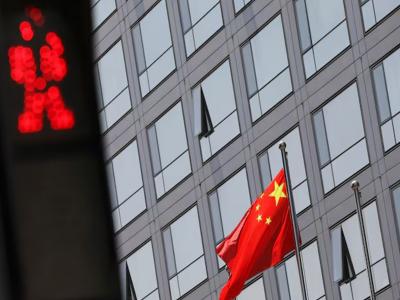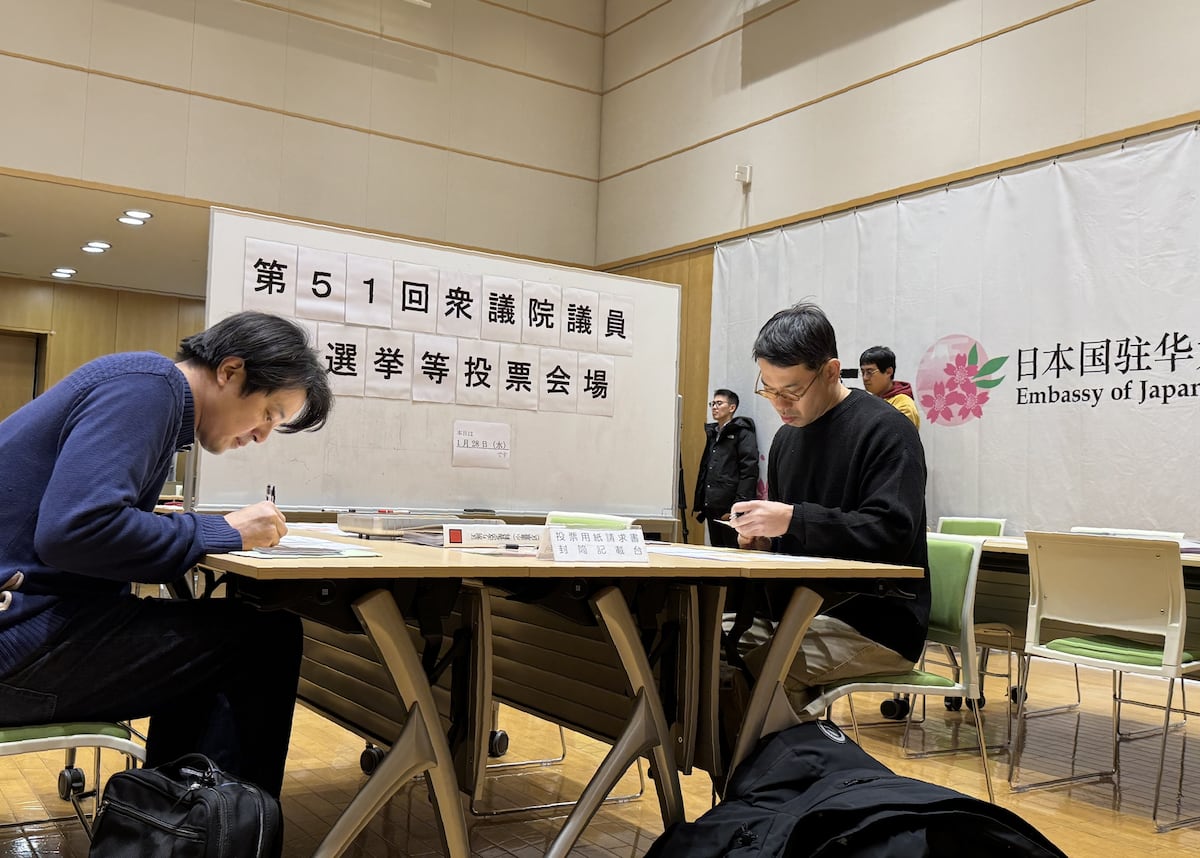
Japan’s 51st general election moved beyond the country’s borders on Sunday as overseas voting began at embassies and consulates worldwide, including in Beijing, where the Japanese Embassy opened its polling station at 9:30 a.m. local time (10:30 a.m. in Tokyo). The orderly first day underscored the reach and resilience of Japan’s democratic process—even amid a tense diplomatic backdrop and an unusually compressed campaign timetable at home.
Ballot boxes open abroad one day after the campaign kickoff
Following the formal announcement of the election on the 27th, overseas voting commenced the next day, ensuring that Japanese citizens living or traveling abroad can participate before ballots are counted back home. Inside the Embassy of Japan in Beijing, staff guided voters through the procedures and verified eligibility before handing over ballot papers. The flow was steady and calm, with embassy officials noting that, despite the shortest interval from dissolution to voting day in the postwar era, operations proceeded without notable disruption.
Voters’ voices: weighing stability, everyday life, and policy clarity
For many voters in China, the stakes felt both international and personal. “Japan–China relations are in a difficult phase, and I voted with the hope that we can improve them,” said a 24-year-old Japanese student in Beijing who cast his ballot shortly after doors opened. A Japanese mother in her 40s, whose child attends the local Japanese school, echoed a desire for continuity and calm: “We haven’t had unpleasant experiences here, and I want to make sure politics doesn’t disrupt daily life.” Another voter, a 43-year-old man, voiced concern about the sprint-like campaign at home: “Because the period is so short, it’s hard to really grasp who is advocating what policies. I came to vote feeling less informed than I would like.” His sentiment points to one of the challenges of the compressed timetable: while Japan’s political parties have intensified digital outreach, voters abroad must sift through information across time zones, language settings, and work schedules.
A tense diplomatic backdrop: Taiwan remarks and Beijing’s protests
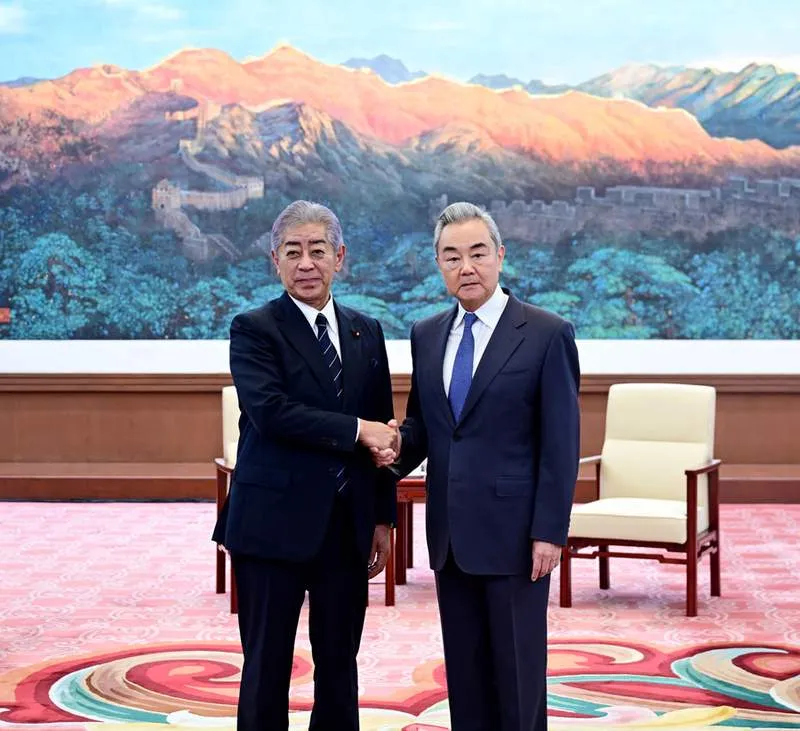
The first day of overseas voting unfolded as Beijing continued to protest remarks by Prime Minister Sanae Takaichi in the National Diet concerning a potential Taiwan contingency. The episode has sharpened attention on regional security and diplomacy—issues that many overseas voters say they considered while marking their ballots. For Japan, ensuring regional stability, maintaining open economic ties with its largest trading partner, and safeguarding the rules-based order are intertwined priorities. The intense scrutiny from Beijing in recent weeks has only highlighted the delicate balance Tokyo seeks to strike: a posture of clear-eyed deterrence with allies, paired with steady, practical engagement with China where interests align. The comments from voters in Beijing suggest a grounded pragmatism—support for measures that reinforce national security, coupled with a strong wish that politics not overshadow the normal rhythms of life for families and businesses across the border.
How overseas voting works—and why the window is shorter
Japan’s overseas voting system, introduced in the late 1990s and refined over time, allows registered citizens living abroad to vote at designated diplomatic missions during a set period prior to domestic polling day. Eligible voters must hold an overseas voting registration and present it alongside identification. Because completed ballots must be securely sent back to Japan to be counted, voting overseas ends earlier than at home. In Beijing, the embassy’s voting period runs through February 2, a deadline designed to ensure all materials reach counting centers in time. The logistics are robust but intricate: multiple checkpoints to validate identity, chain-of-custody procedures for ballots, and international dispatch mechanisms that protect integrity while meeting tight election timetables. For voters, that means planning ahead—especially in large countries like China, where distances to consulates can be significant. Despite those constraints, Sunday’s turnout at the Beijing mission reflected a familiar pattern: a steady stream of citizens determined to have their say, even far from home.
The shortest postwar campaign—and the information squeeze
The decision to dissolve the Lower House set off a whirlwind schedule, leaving parties racing to frame economic, security, and social policy priorities in days rather than weeks. That rush can complicate information-gathering for voters abroad. While online platforms, official party websites, and media briefings provide constant updates, time differences and daily obligations sometimes impede deep engagement. Even so, embassy staff reported that operations remained smooth and that voters appeared prepared with documentation and a sense of purpose. The compressed calendar may amplify the importance of clear, accessible manifestos and credible leadership signals—factors that often resonate strongly with expatriates navigating cross-border livelihoods.
Democracy across borders: a community grounded in civility
Sunday’s scene inside the embassy mirrored the broader character of Japan’s civic culture: orderly queues, courteous exchanges, and a rules-first approach designed to protect fairness. If the geopolitical environment is fraught, the lived experience at the ballot box was notably calm. Voters’ comments reflected confidence that Japan can manage complex relations with China while safeguarding national interests and supporting citizens abroad. That dual message—steadfastness without provocation, engagement without naiveté—remains a hallmark of Japan’s approach in the region. The embassy’s careful facilitation also underscores a point sometimes overlooked: overseas voting is not an afterthought but a core expression of citizenship, one that binds communities abroad to the national conversation at home.
What’s next
With overseas voting now underway and the domestic campaign accelerating, attention will turn to how voters weigh economic stewardship, social stability, and security posture. For many in Beijing, the hope is that the next government will bolster deterrence with allies, maintain open channels with China, and shield ordinary life from geopolitical shockwaves. The final tally will be made in Japan after overseas ballots arrive, but the message from the first day in Beijing is already clear: even in a compressed campaign, Japan’s democratic machinery functions with precision, and its citizens—wherever they live—are committed to shaping the future of their country. The embassy in Beijing will continue accepting ballots through February 2, with staff urging eligible voters to come early, bring proper documentation, and verify voting hours in advance. In a season of high stakes and short timelines, the methodical act of voting abroad offered something rare: a quiet affirmation of the values that have long anchored Japan’s politics—stability, responsibility, and an unwavering belief in the power of the ballot.