Veteran entertainer lays out a career of highs and lows on ABEMA
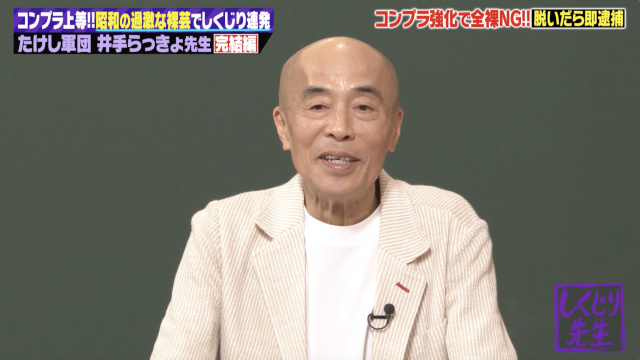
Japan’s “original naked comedian,” Ide Rakkyo, used ABEMA’s hit variety classroom Shikujiri Sensei—Don’t Be Like Me!! (aired on the 20th) to candidly chart his rise during the late‑1980s bubble and his hard landing in a stricter, compliance‑minded era. The 63‑year‑old performer, famous for slapstick bits that once relied on nudity, said jobs evaporated as broadcast and corporate rules tightened, quipping that the mood had turned into “If I strip, I’m arrested on the spot.” His monthly income, he revealed, fell to around ¥200,000 (roughly US$1,300 at current rates) at the worst point—a dramatic shift from the days when he believed he could live forever off his act.
From bubble‑era stardom to seconds‑long paydays
Recalling the heady bubble years, Ide described corporate sports festivals where he was brought on as a surprise guest. “They’d announce me, I’d run 100 meters in about 11 seconds, cross the line—and that was the show,” he said. The fee: ¥1,000,000 (about US$6,700). “That’s ¥90,000 per second,” he joked, noting his highest monthly take once hit ¥4,000,000 (around US$26,500). In that climate of lavish corporate spending and raucous variety TV, he felt sure a single, outrageous gag could sustain a lifetime.
More than a gag man: speed, stunts, and a baseball tryout
Ide also spotlighted a lesser‑known side: genuine sprinting chops. He recalled lighthearted TV “showdowns” with a Carl Lewis doll nicknamed “Karl‑kun” and a tongue‑in‑cheek segment against Seoul Olympic gold medalist Florence Griffith‑Joyner—studio set‑pieces he says he “won,” emblematic of the freewheeling variety formats of the time. He stunned the studio audience with another tidbit: “By the way, I passed a professional tryout for the Nippon‑Ham Fighters,” he said, referencing the storied baseball club now known as the Hokkaido Nippon‑Ham Fighters.
When age and new rules rewrite comedy
Two decades into the same shtick, everything changed after he turned 50. “When the oldest person on set starts undressing, everyone panics,” he admitted, adding, “It’s harder to laugh at a middle‑aged body.” The bigger force, though, was Japan’s tightening compliance culture across broadcasters, sponsors, and event organizers. What once passed as rowdy, anything‑goes humor now runs afoul of clearer standards on nudity and workplace conduct—particularly in family‑friendly slots and corporate settings. Ide’s “strip and you’re arrested” line is comic shorthand, but it captures a very real shift: Japan’s entertainment industry has matured in step with global norms that prioritize safety, dignity, and brand protection.
Personal setbacks, then a regional reset in Kumamoto
Offstage, Ide revealed he divorced after 25 years of marriage. He avoided seeking help even from peers in Takeshi Gundan—Beat Takeshi’s legendary troupe that nurtured a generation of comics—saying he didn’t want to show weakness. In 2018 he relocated to Kumamoto, part of a broader trend of performers embracing regional circuits and community‑based work. When the troupe reunited for its 40th anniversary after two decades, he said he openly wept in front of his comrades for the first time, underscoring bonds that endure beyond ratings and revenue.
Why this matters for Japan‑watchers and expats
Ide’s story offers a window into a Japan that balances tradition with renewal. As compliance expectations rise, Japanese TV is innovating: comics pivot to scripted sketches, digital platforms, and brand‑safe live shows, while regional hubs from Kyushu to Hokkaido provide fresh stages. For creatives and expats eyeing Japan, the lesson is clear—careers here reward reinvention and cultural fluency. Understanding broadcast standards, reading the room, and building local relationships can open sustainable paths without sacrificing edge or originality. Ide’s frank appearance on ABEMA’s “classroom of failure” captures a distinctly Japanese approach: turning missteps into shared learning—and moving forward with humor and grace.
ABEMA’s classroom, Japan’s evolution
Shikujiri Sensei thrives by asking public figures to dissect their own mistakes so others can avoid them. Ide Rakkyo’s confession fits the format perfectly: a veteran owning up to excess, acknowledging Japan’s changing rules, and proving resilience. In today’s Japan, the punchline still lands—only now it’s delivered with wit, craft, and respect for the audience.